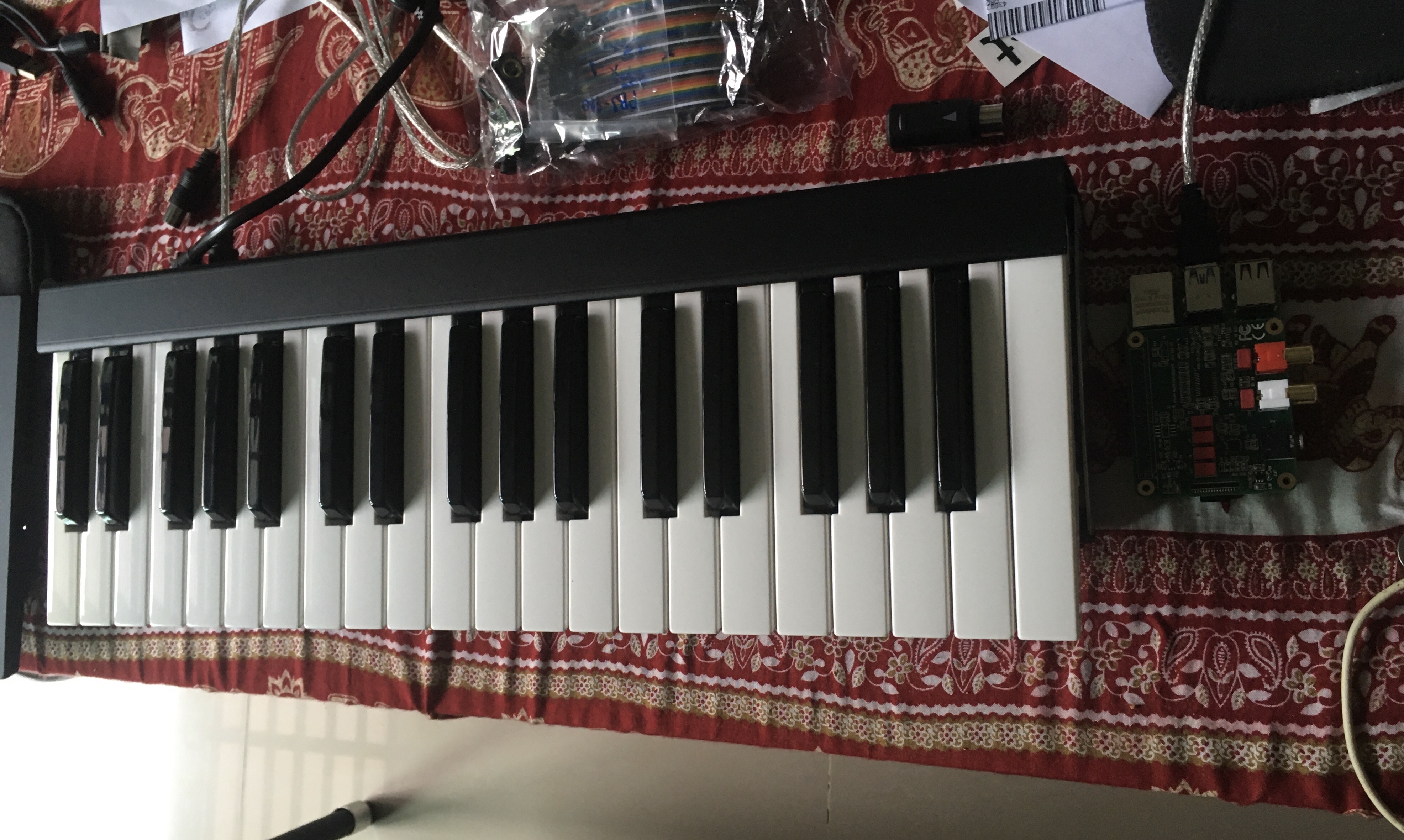
I’ve been looking for a good MIDI keyboard for a long time. I’d like to have a 3 octaves high-quality fullsize keybed like Fatar TP/9S, very simple, just DIN connectors and no knobs or screens wasting space, just the keybed and minimal controls (octave up/down, MIDI channel select). But I want a keyboard with very strong build, all metal and wood, no plastic (except for the keys). Doepfer sells kits to build your own, but I’m not confident enough to build it myself. Any recommendations? Does anyone know anybody that could build one for me?
Youll be hard pressed to find anything in that size of any quality that isnt an actual synth…and even then trying to keep it from being too deep.
If you can deal with knobs and a couple fewer keys, maybe the DSI mopho keyboard at 32 keys (or the mopho se at 44)?
Can disable local and tell the knobs to send just ccs (or not).
I believe they are less deep than the extra deluxe.
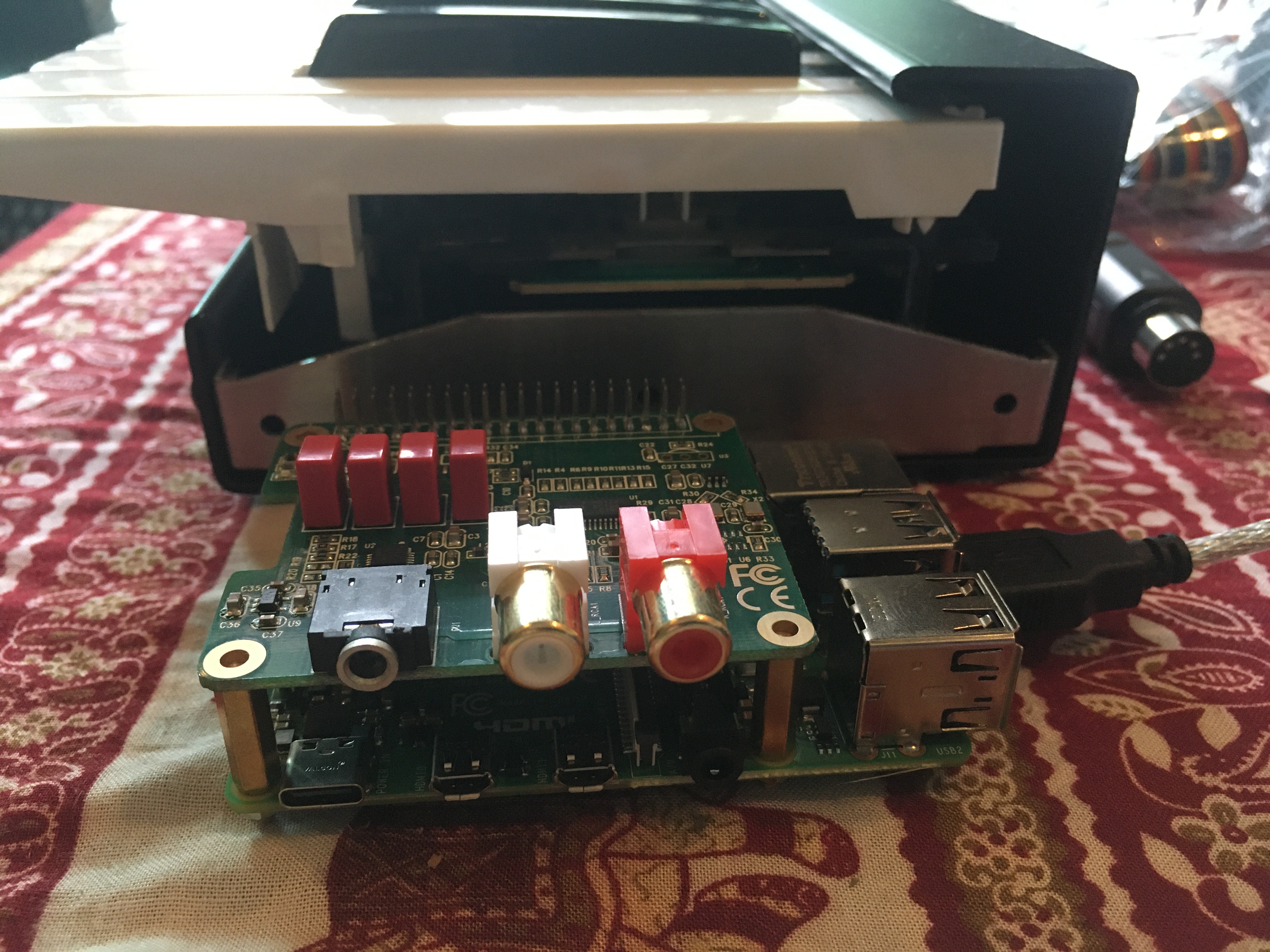
I got the dot com keyboard. The keybed feels great (Fatar TP/9S), and the construction is very solid. I plan to put the raspberry pi inside and add audio outputs and a button to change patches and I’ll use it mostly as a rompler with fluidsynth. And I’ll add some wood sides too…
Very cool lucianon ! I like the idea of putting the R-Pi inside and making a rompler.
Not for you but for anyone else reading this thread and thinking about making their own custom minisynth similar to what you are doing. There is a new 8 voice virtual analog small sized Eurorack module just announced at Superbooth 21 that sounds retro-ly awesome. As a part of that Eurorack module are compact controls for those sounds. It’s called the Poly-Cinematic from Knobula.
Here are link1 and link2 from the Superbooth thread. You can listen to it through those links. Beside the range of polyphonic “analog” voices it has a reverb built in. Perhaps then add a small MIDI arpeggiator, and/or LFO modulator to that.
I was thinking of this with a Waldorf KB37, but as that has been discontinued, and getting more expensive and difficult to find, as well as being more clunky in size. The approach you’re taking lucianon looks a much better option.
Hopefully doing the “surgery” to the RPi wasn’t to difficult. Less work probably than starting with the RPi Compute Module and getting the connections for an audio interface, the MIDI IO and whatever other interface you need. That would probably be a custom interface board – a carrier board.
Obviously a ton of other options on the software synth side of this, virtual analog, etc. I think this could fill a real need for a lot of people for a powerful no-frills quality keyboard minisynth.
Yeah, I considered the compute module, but it was going to be more work, and also I couldn’t find it here in Thailand. I removed the connectors by careful destruction with pliers, because unsoldering them seemed harder and with risk of unintentionally unsoldering SMT components nearby. So far all is still working properly, it survived surgery.
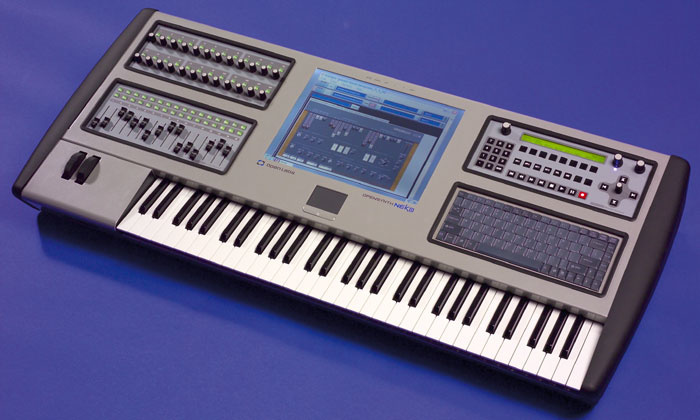
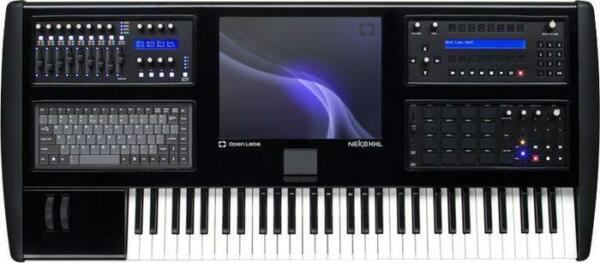
I’m not sure why this thing doesn’t exist already as a commercial product, but I think it is a concept worth exploring: a powerful computer with a musical keyboard as user interface, and completely open and programmable (not the same thing as a midi keyboard connected to a synthesizer module or a laptop, this is one single object that is more like a standalone musical instrument, but it’s actually a computer). Maybe it’s a stupid idea, not sure, but it’s what I wanted
Yeah, there are lots of options for the software part. It can also take midi from the inputs plus the midi events generated by the keyboard and rewrite them and send them to the output, or send them thorough Bluetooth or wifi, it could also send audio through Bluetooth or wifi or usb (if I had left a USB port), or take midi input from Bluetooth, etc
Akai’s live is essentially this as well, without the open programming part.
Surprised no one has hacked it yet. Shouldn’t be too hard being just a microcontroller with a custom OS.
It’s just a Linux box, controller, midi interface, and audio interface.
Well, yes, but many modern instruments are actually computers with closed firmware, including Elektron instruments. I heard Korg WaveState, ModWave and OpSix have a raspberry pi inside (a compute module, I guess).