Thanks. I might go for it, but I’m not sure if I’ll be happy with translucent buttons all over yet. For now it’s mostly just the track buttons.
Try as I might to keep my hands clean before using any of my gear, Okinawa is hot and humid. We’ll see how this summer treats those buttons. Might have a flashy white set of keys in a couple of months!
Hey there, are your buttons still good to go after the goo gone treatment?
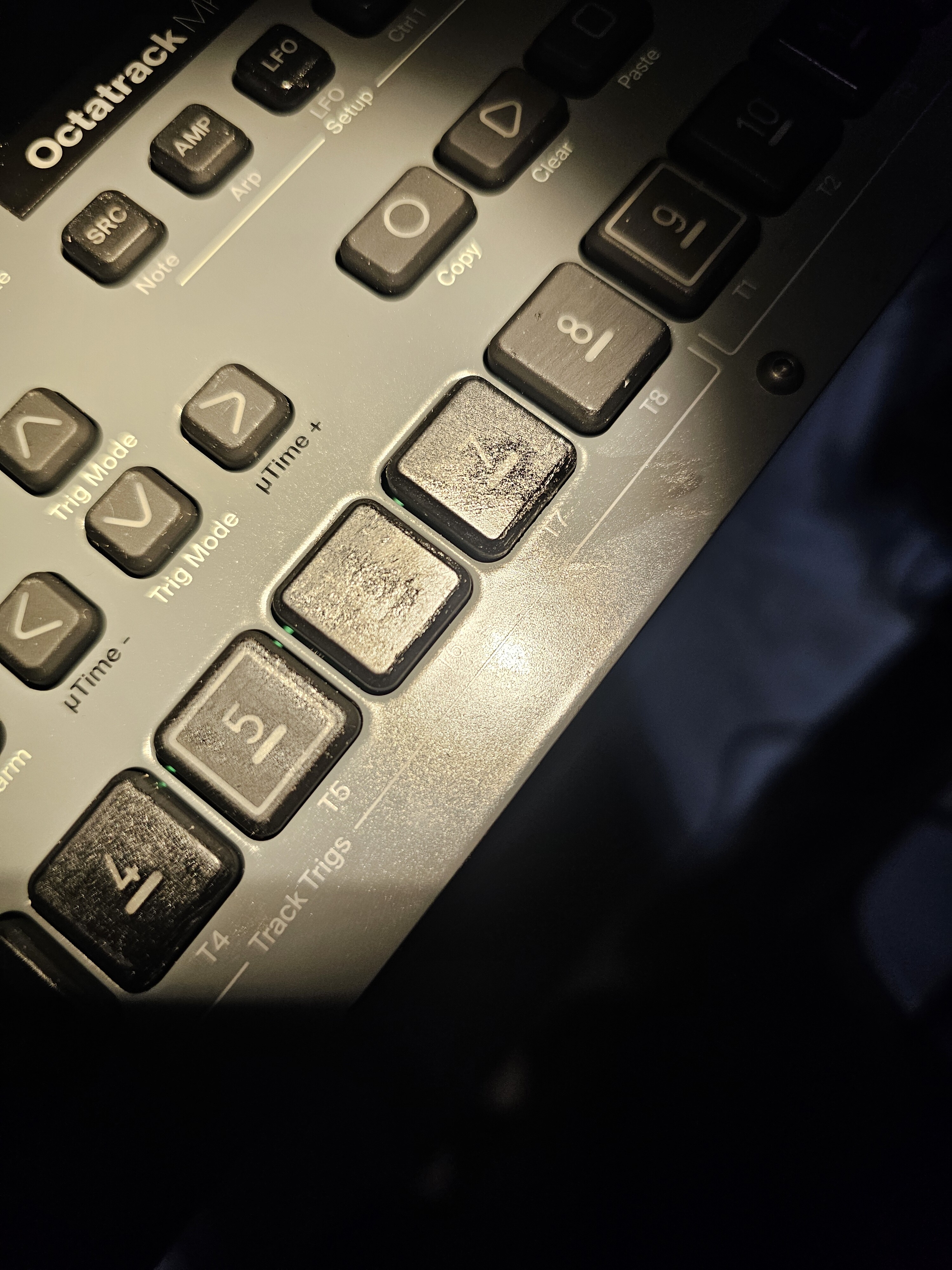
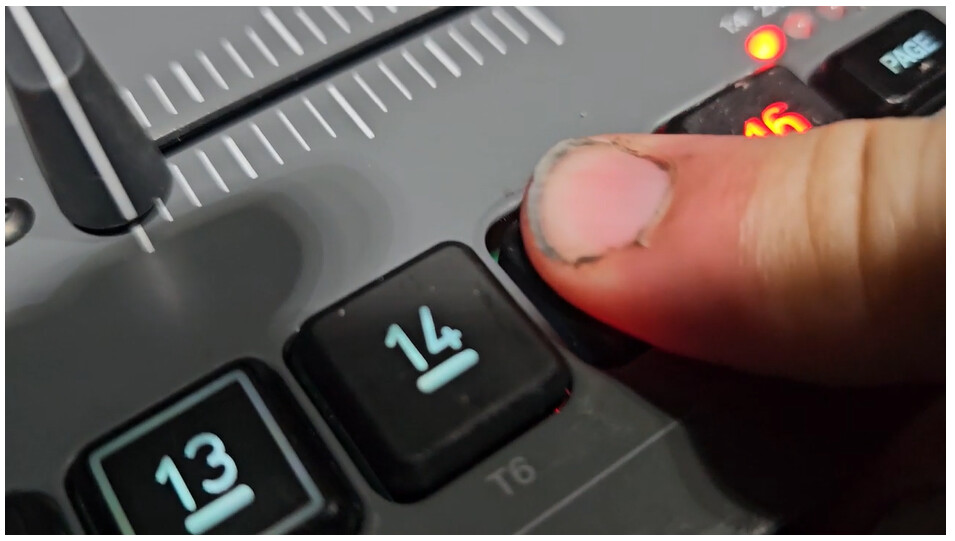
I’m finally having this happen on my OT mk2 and my DT1 and I really don’t like it!!
Anyway, I’m a huge fan of goo gone (used it on my JBL LSR’s to fix that nasty mess) and want to try it for this issue… but want to check in with you first
Oh man if you want to get really upset, look at the SPACING between the sequencer buttons on mk1 vs mk2,
Not even gonna get into the fact that circles are infinitely superior to squares when it comes to those
fwiw bmw motorrad used some bio degradable rubber on gs1200 control wiring conduit in 2014, by 2022 you could just touch it and the conduit turns into dust like burnt paper, exposing all the control wires. obviously for automotive that’s really really dumb, but that was an EU mandate afaik. maybe it’s the same deal with elektron supplier. and I guess every other soft touch rubber supplier for electronic music gear. surely there’s a soft touch rubber compound that has a longer half life than 2.7 years?? it’s not exactly excusable on a $1400 device no?
I got my DT/DN replaced at £35 each plus shipping. My units were very much unused and ~5 years old. To me it seems rather unlikely that the cost of manufacturing the button caps is equivalent to ~4% of the devices and also clearly a material selection problem, so they could be more reasonably priced.
I had the same problem with a 9 years old BeatStep Pro and they replaced the knobs for free. The new ones don’t feel rubbery at all, so I don’t think I’ll have this problem again, and they don’t feel like hard cheap plastic either.
Elektron could really look into finding a better balance between premium feeling and durability than the one they have at the moment.
(You won’t be able to solve the problems with the keys. They tend to get sticky. Obviously moisture, stagnant air and heat are harmful. And of course solvents such as grease and sweat)
dude, how can you possibly defend these sticky keys? this material has been a problem for years. maybe their hands got dirty from the keys themselves.
I baby all my gear, and every key and knob on my DT and DN turned to goo in 2 years. I never cleaned them with alcohol and the air in my apartment had normal humidity. The same thing happened with my arturia minibrute - every knob turned to maple syrup. Same with my AIAIAI TMA-2. Completely gave up on that brand because it was so bad.
Any “fix” that involves carefully scrubbing off all of the material with alcohol is not really an acceptable solution.
The material is utter garbage, and every company making gear should stop using it.
I can only repeat what I have already written:
I have owned various elektron devices since 2018 (currently 8) and use them every day.
I cleaned the FUNC and PAGE buttons on a few devices.
But that was dirt from my fingers.
Otherwise I had no problems.
Coincidence?
I don’t smoke, the air is relatively dry, no direct sunlight and most of the time the devices are covered (Linen cloth).
Perhaps the good condition of my devices is also due to the fact that my climatic conditions are similar to those in Sweden.
…It is clear that other environmental conditions lead to faster change. And maybe there was a poorly made batch.
I’m surprised that no one has 3d reprinted the keys from better material.
Here is some data.
1 in 3 elektron users has a problem with the coating on the buttons. 1 in 3. Thats a massive problem.
I sent that data to elektron last year. No response. Raised a ticket. No response.
Mulitple threads on this forum on the subject. No response from Elektron.
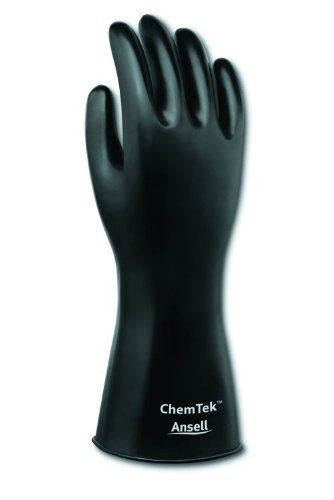
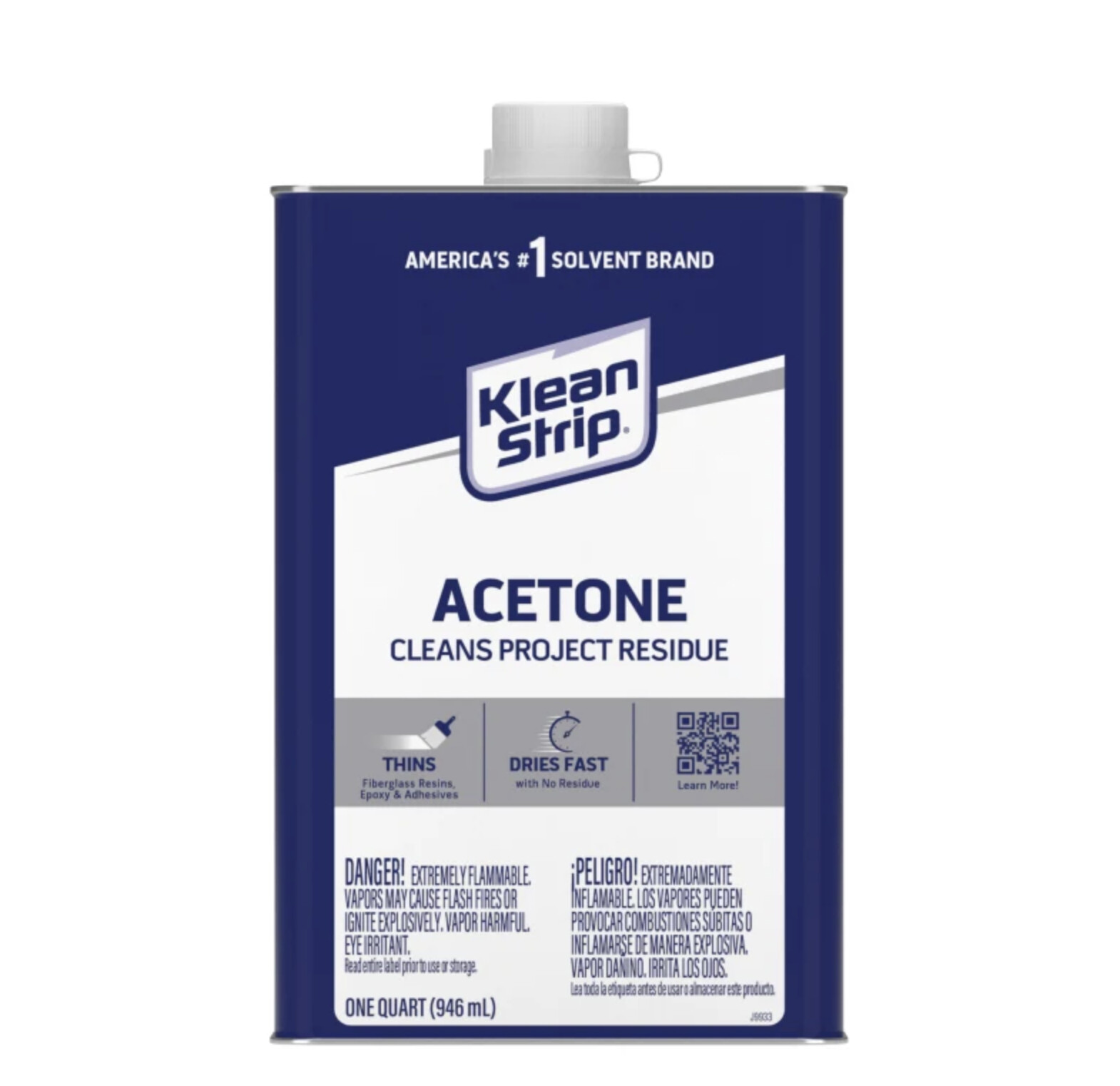
the only thing i’ve found to remove the sticky plastic coating is to remove the plastic coating all together with protective gloves and acetone. often removes labels. arduous, probably dangerous, and annoying but here we are. i don’t think it ever gets humid enough in Sweden for them to really care, but it’s not just them.
I would not use acetone on something which is plastic underneath, it melts ABS and most other plastics pretty rapidly. Just a little on the surface can mess it up. I nearly melted the ABS VW logo on my car trying to get a little overspray paint off of it.
Acetone works great on metals and glass though and seems like it won’t harm poly-based paints, so I’ve used it with great success on those types of coated materials. Lacquer based paints melt.
General observation: Naphtha, for the most part, does not harm plastics and can remove most residue although I’ve never used it for this purpose. You might have to be a bit more persistent with it though, as it’s generally not as aggressive as a solvent like acetone.