Indeed it is.
1 Like
Is it yours? If so, tell us more about what it sounds like! Also, I can’t make out many of the labels in the photos so I’m super curious about it’s architecture.
Purchased in 2014
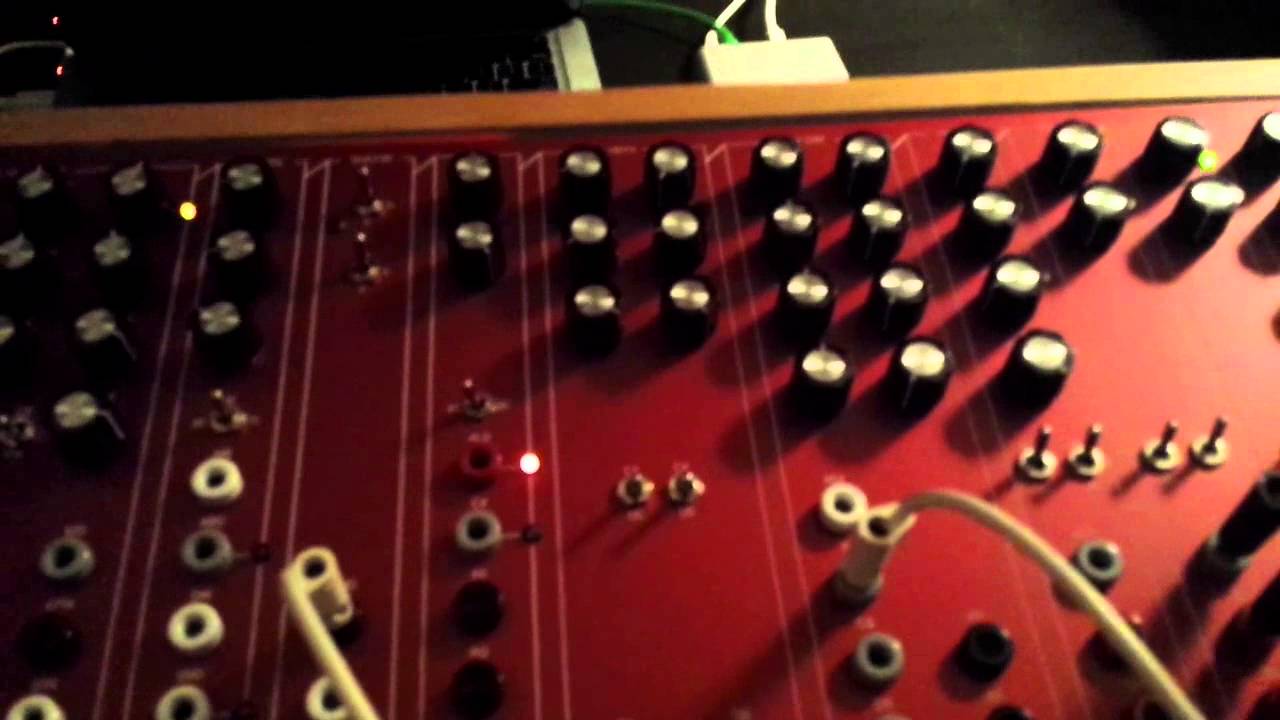
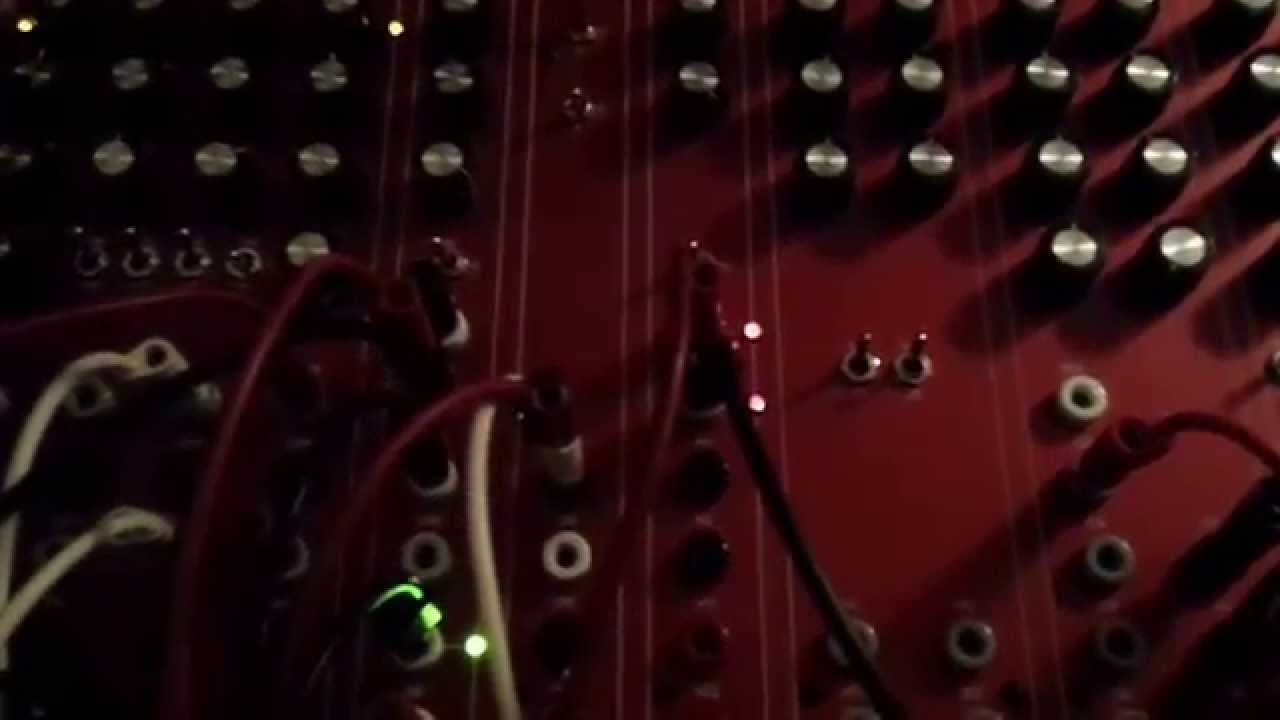
The Stroh Modular Signal Block Synthesizer
This is a panelized semi-modular banana-synth, built with all latest revisions of my PCBs, using high quality components designed with patching flexibility in mind. The entire synth was designed by myself, or using designs adapted with permission from two or three other sources. The panel is 3mm thick anodized aluminum with white in-fill engraving. The case was hand made from alder, and finished with bees-wax. The power supply is internal, and is designed to be quiet, safe, and reliable. Though there are no modules in this synth which require 5V power, it is also supplied on the board in case of future modification or expansion. I very much enjoyed building this synthesizer, and hope that you will enjoy playing it.
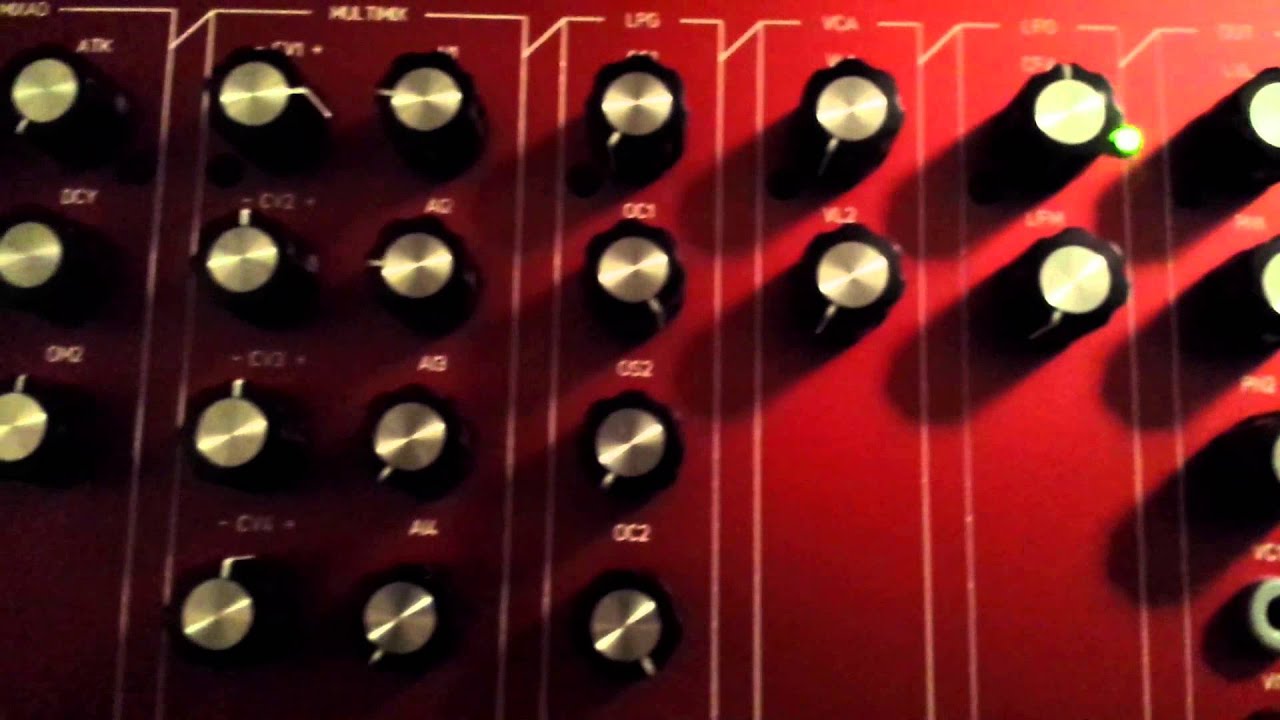
Here is a list of modules/functions/and anything else I can think of. Demos to follow below as well.
Two UltraFade VCOs. - These are my latest and favorite VCOs. They are built on a classic triangle core design, provide the usual wave shapes, as well as some extras. There is a logic 0-10V PWM output to trigger other modules, clock and logic inputs, etc. There is also a mixed, and inverted mixed waveform, which is a crossfade between either sine and ramp, or sine and PWM. (selectable via switch) This is similar in function to how a 258 would work, only using an improved circuit. There are Linear FM, Exponential FM, Volt per Octave, PWM, and Wave Shape CV inputs. There are Sine, Ramp, Square, Logic Pulse, PWM, Mixed, and Inverted Mixed outputs. There is a switch for Audio and LFO rates, and one for wave selection for mixing. These VCOs track approximately 8 octaves.
One VCO Control - This section includes an Attack Release envelope, which can also function as a slew if needed, a Divide by N/N.5 clock/frequency divider which can divide odd, even, and half steps, and an XOR Logic circuit. The XOR in addition to the Logic level output, also has a bipolar audio output for use as a Ring Modulator (similar to some ARP synthesizers.) This in conjunction with two VCOs can form a Phase Locked Loop configuration with divisions for chords, octaves, etc. PLLs aren’t perfect, but are a lot of fun to play with. Complex rhythms can also be generated using the divide and XOR.
One Sample and Shift - This section is three functions. One White Noise generator, one Sample and Hold, and one Linear Feedback Shift Register. The LFSR can be used to create pseudo-random pulses, complex digital tones that will track with a VCO, or interesting types of digital noise. There are two selector switches that change the routing of the shift-register taps. This creates different pulse trains or tones (depending on how it’s clocked) Combined with the XOR, some additional complexity can be added.
One FadeX - This is a voltage controlled Crossfader and Panner. It can also be used as a single linear VCA, or with some creative patching, a Ring Modulator. It also has an extra/auxiliary bipolar indicator LED. Just plug in a signal, and it will fade with rate and phase of the signal. If used in conjunction with an UltraFade VCO, one can crossfade up to three different waveforms for very complex shifting timbres. Low distortion VCAs are used in the FadeX. AC or DC coupled via switch.
One MixAD - This is a Dual, Loopable, Attack Decay Envelope with Variable Analog OR Mixer. Each AD can be set to one shot or cycle via switch. When both envelopes are patched into the OR, complex modulations can be created. The Analog OR can be used with any incoming signal to OR the peaks. Both a normal, and inverted output are available. This can also be used as a simple attenuator as well (though best suited for CVs over audio.)
One MultiMix - This module is two parts. One 4 Channel Precision CV Processor with 5VDC Reference Voltage, and One 4 Channel Audio Mixer. The CV Processor is 4 bipolar “attenuverting” channels to process and combine CVs. The reference voltage can be patched into one of the channels, and used to shift the output signal above or below DC0V. (so level shift from +/-5V to 0 to 10V or 0 to -10V if desired) There are normal and inverted outputs available. The Audio Mixer is a simple AC coupled 4 Channel Audio Mixer with a touch of gain at the inputs available. High quality op amps are used in both mixers.
One Dual LPG - This is two Low Pass Gates in what is typically considered “Both” mode. It does some low pass filtering and VCA function (no resonance). There is a frequency offset knob and a CV attenuation knob for each gate. AC and DC selectable via switch. These also make good slews, and have a nice ring to them at low offset settings.
One Dual VCA - This is a pair of Low Distortion VCAs (Mike Sims design if you’re familiar,) with either AC or DC coupling. These are linear response.
One LFO - This is actually a full featured Volt per Octave VCO with High and Low modes, Linear FM, and Sync. It has Triangle, Square, and Unipolar Logic Square outputs. It uses the same core as the UltraFade VCOs, tracks just as well, and sounds quite good as an audio oscillator on top of its LFO labeled duties.
One Output - This is a Two Channel Stereo Output mixer with pan controls, and two AC coupled VCAs. The VCAs are individually patchable and general purpose. They can be used anywhere in the system, but the idea was to allow some voltage control of the output mixer, or use them as AC coupled links for audio signals to go to and from this system. The Output Mixer is also AC coupled, so used as a final stage before a console, audio interface, etc. it will remove DC offsets, etc. Used with the FadeX, signals can be autopanned in the stereo field. The output will happily drive 600 Ohm loads, so headphone will be right at home here.
That’s more or less the Signal Block. For those of you who can’t get enough VCAs… There are 13 in the Signal Block. (of course only 7 of them are independently available, but…)
3 Likes
I don’t see that the audio is posted any longer unfortunately. Maybe he has some files saved.
1 Like
Literally every time I see a new @J3RK design

1 Like
Outstanding. 
What an awesome and unique instrument to own!
2 Likes
I’ve seen those pictures before! That Escher 3D is so rad. Ultrafades sound so good too, that is a really nice synth.
1 Like
When I first got into modular, I really wanted to go this route, but ended up getting some Ciat Lonbarde instead…
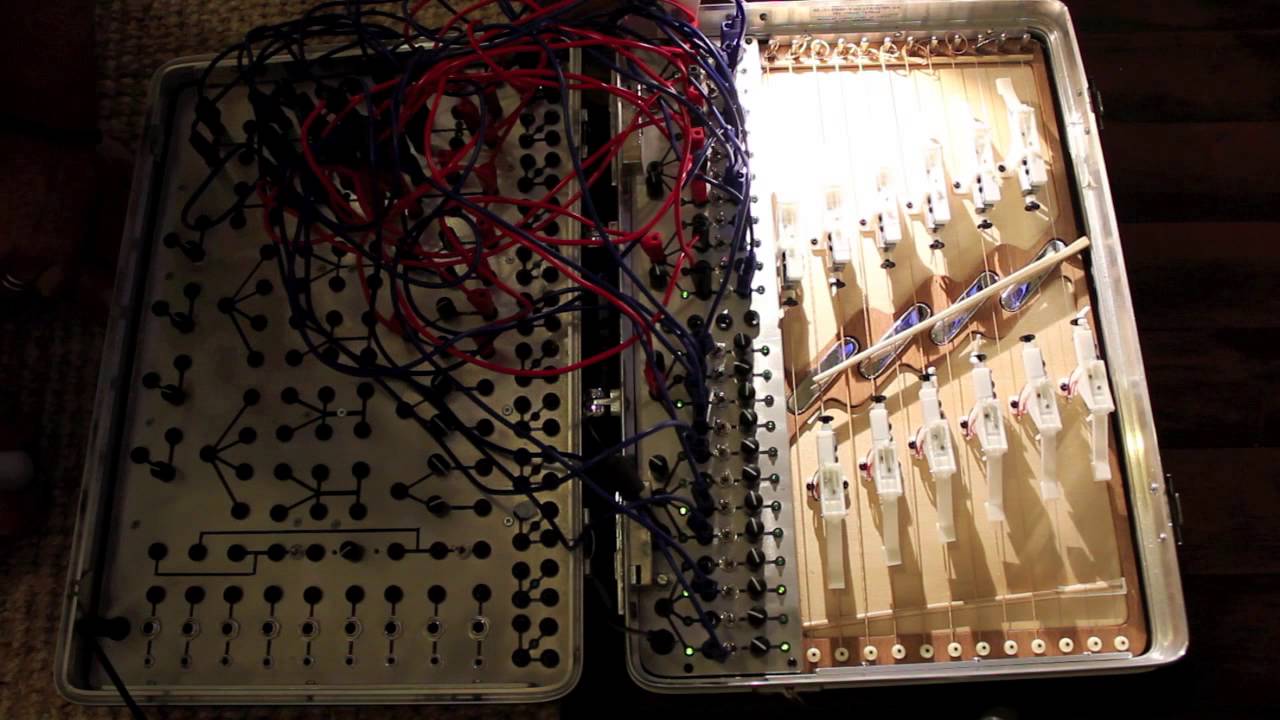
I still think it would be fun to try building something similar one day.
1 Like
The CMOS stuff is very intriguing! Wonder why more manufacturers* don’t go this route? Too expensive, too fiddly, too niche?
*Of course I’m a firm believer in DIY but doubt I’d havr thr patience or time to ever be able to DIMyself
1 Like
Hey! Good to see you here. (May have before, but not sure.  )
)
I think those videos are still up, but for some reason my YouTube channel split in half at one point. (into two users, and I couldn’t fully combine them back) I’ll see if I can find them.
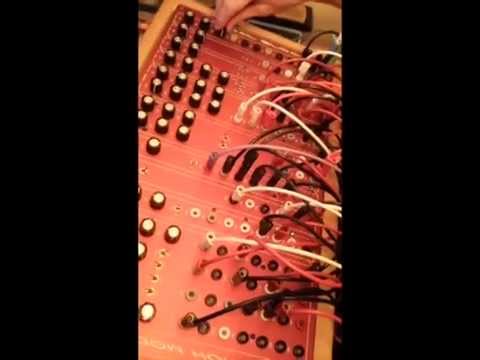
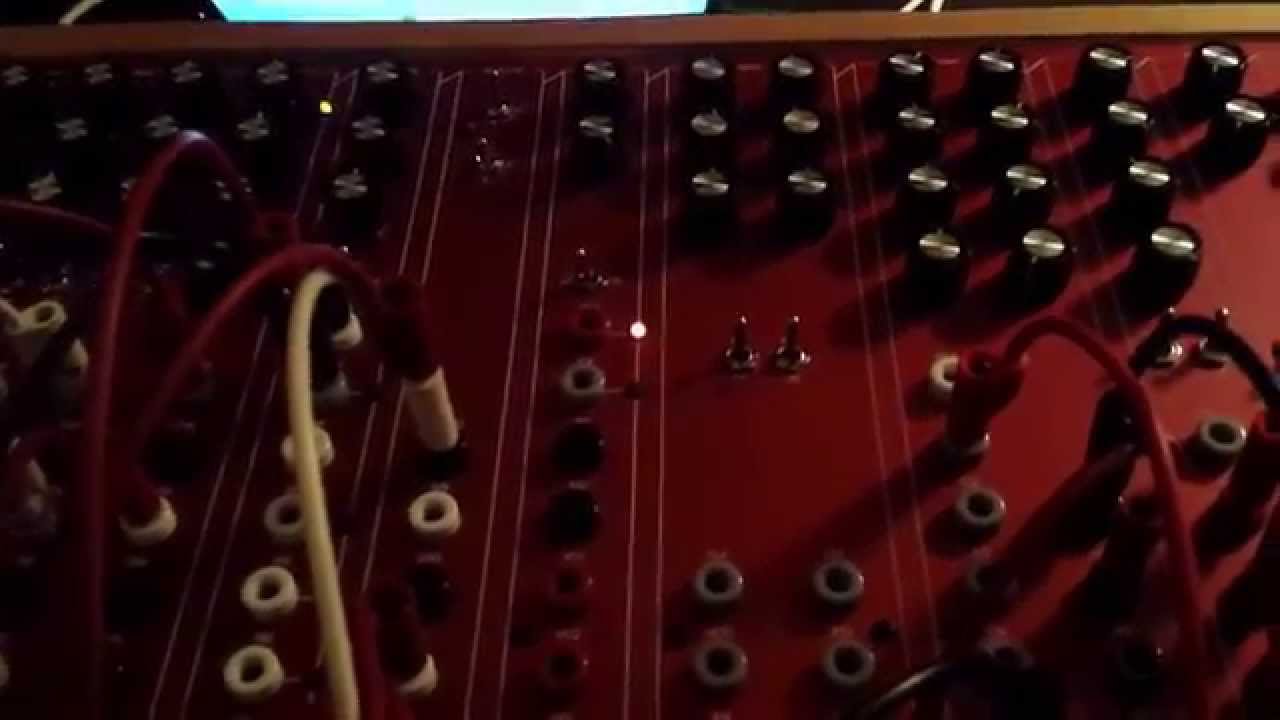
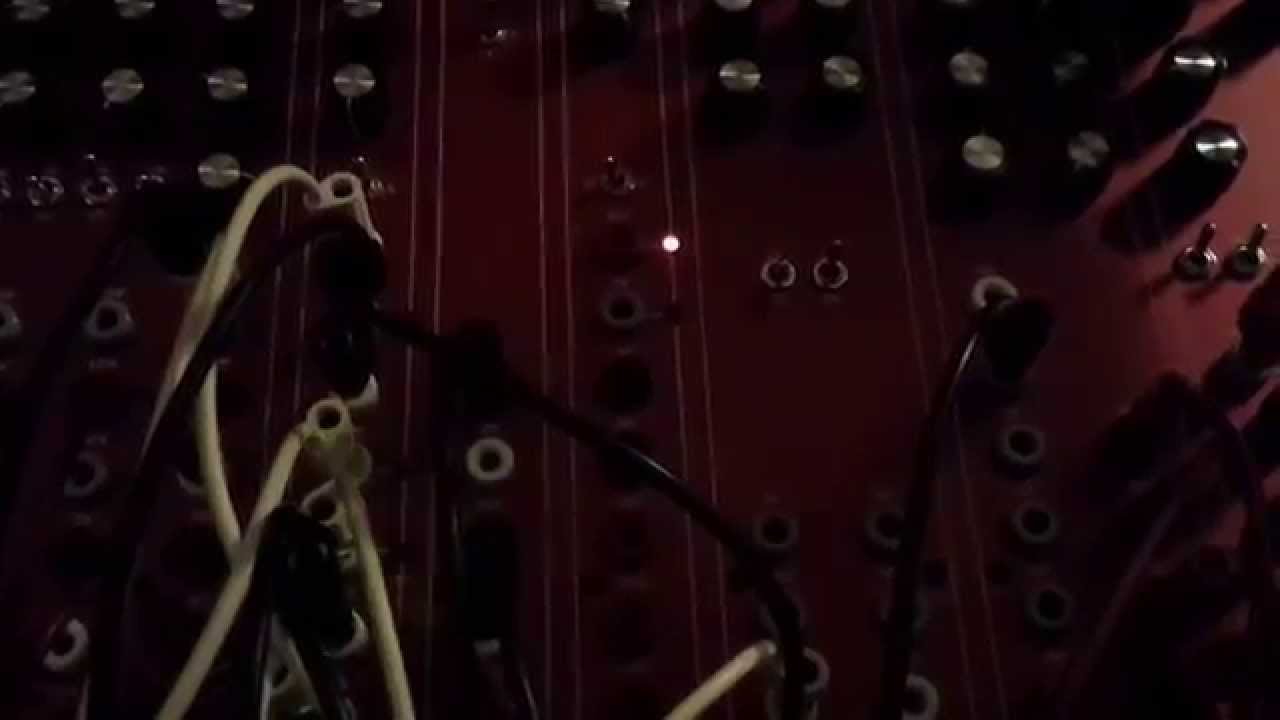
Edit: Oh, looks like they ARE in my current “main” channel. They had been in the other one for a while. WEIRD! Anyway it looks like SOME of them are there at least. I’ll put a few here:
I actually wish I had done slightly more diverse demos at the time. These are all fairly similar. I do like the one that sounds like Tron Light Cycles though.

3 Likes
It’s gorgeous!!!
@J3RK are you still building custom pieces like this?
2 Likes
I’m nearly ready to start up again. I’m on the last two builds from my seriously long backlog. I took on way too many projects about two years ago, and have been trying to complete them all ever since. I’ve shipped all but two of them.
I’m hoping to have them complete sometime in May, and then I’ll be taking a little breather for a month or so (as I haven’t known what it was like to not have that backlog looming for a couple of years now  ) Then I plan to start working on some again. I also do LW format 4U modules, and those I can do much more quickly, and often have a few on hand. (and I stock PCBs for DIYer, and all of the docs, schematics, and panel files are in my GitHub repository. (under DrJ3RK))
I’m guessing mid-late summer I’ll be able to take on a project or two. (hoping to keep it limited to one or two at a time, to prevent the big backlog thing from happening again. )
4 Likes
It feels so weird to see a USB plug in a Ciat Lonbarde instrument !
2 Likes
Bro, they had me at « dubstep filter « . It is weird seeing USB port though. Let’s see which brave soul picks one up here.
1 Like