So I’ve been using my Octatrack and Digitakt to create a live set, I’ve so far got around 20 minutes but im starting to find that it i becoming too stale and planned out.
Any advice or ideas for avoiding this? how to make the boxes performable?
2 Likes
Make patterns on each device that fit well together with multiple patterns from the other device – mix and match however you feel like when playing live.
5 Likes
Y’all want FX?
I’d find what is “fun” to do and go with that.
When I make things too complicated it tends to ruin the performance for me by adding tons of stress.
Figure out what you like and practice.
I use a bit of everything.
I’ll use song mode to play some patters as expected, interact with that, and have the song mode end on a stripped down loop that I can improvise over.
When it’s done move on to the next structure.
I find that the audience responds way more to my mood than how technical I’ve made a set.
I don’t treat my live sets too much different than my DJ sets, just have lots of fun.
10 Likes
Try regularly composing via live freestyle improvisation.
1 Like
This advice is going to vary wildly based on style.
Start with less. I’ll bet you can get a minute or two with bass drum and hats. Pull it down, put a little sample in. Fiddle around in chromatic mode. Tease what you prepared. Drag it out as long as you possibly can stand. After that, now do the greatest hits of the set you prepared but with 25 percent muted. Only hit the high point for a few moments. Record that, share it with a friend. If they don’t puke or fall asleep you are gold.
We are super critical of ourselves. An audience doesn’t know what we know, and people take a long time to learn.
If you find half the room emptying and the other half puking consider mixing things up. Watch for the part where someone slowed down as they were leaving the room? Was a clave playing? Double your claves next time.
6 Likes
Master/buss fx are a good way to change things up and they are safe to recover from. I have a submix that is a drum buss and everything else goes to another buss. By putting a filter on each I’m always surprised how much variation it adds. For example just turning down all the drums with a low pass filter while everything else is unchanged can give a groove variation (or the inverse). Obviously once you have these fx busses set up, you can add other fx like delay, chorus, reverb, etc.
3 Likes
good, i’d like to see the variety in peoples approach to makin’ beat
I run a similar philosophy.
I have an intro for further sound checking, then play my best tracks with small moments of improve here and there.
Depending on how that goes I’ll try 1-2 new tracks that are not as flushed out.
Then close with a banger.
I also use visual elements, and keep my sets around 30mins.
plus 10mins to set up and 10 to tear down.
I’d rather leave an audience wanting more that killing them with mediocre stuff I made that I seem married too.
1 Like
My approach that I’ve had the most fun with is to do a transition track on OT make it only 1 bar.
Then let the transition track be the actual performance… cut it up, throw it around, pitch it up pitch it down… go hog wild and then take the intensity down with the actual patterns.
I keep things at 1 bar so that I can add and remove steps on the fly
3 Likes
Improvisation vs planned Performance.
Nice topic!
You really have to know your Machines inside out if you want to improvise.
Here’s some videos from @mpiecora (Ezbot) that can help you on the impro side :

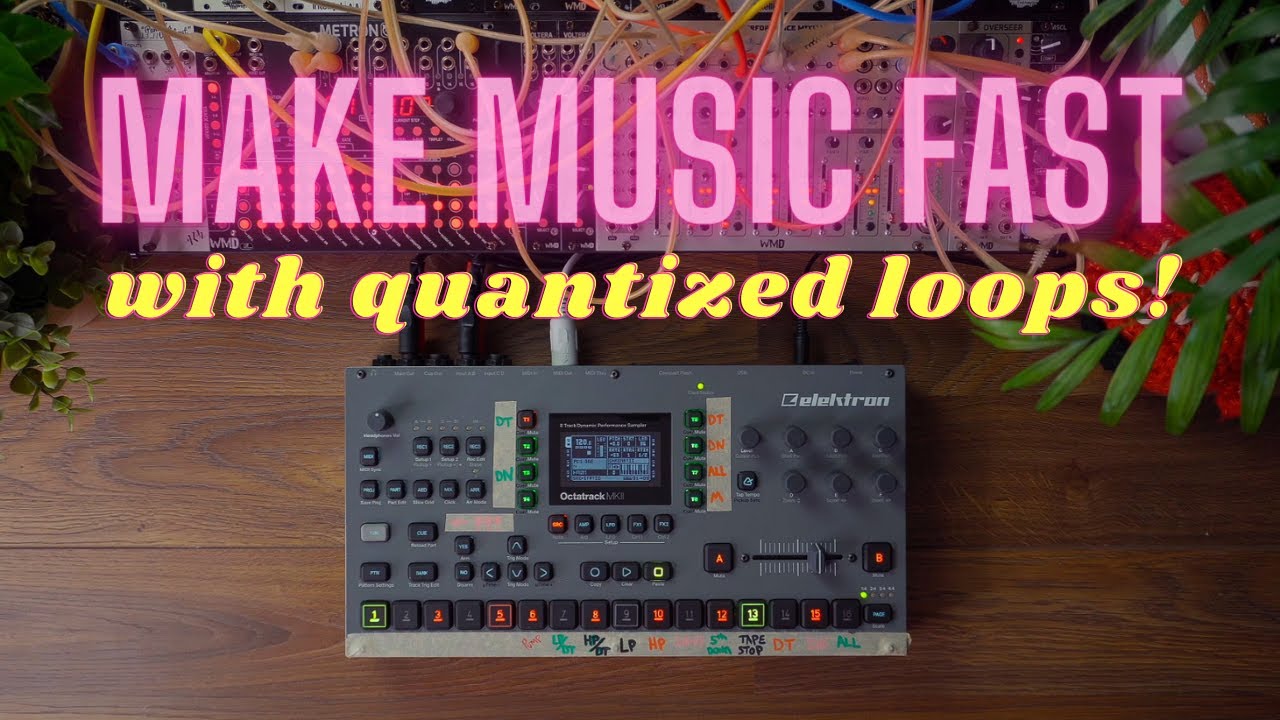
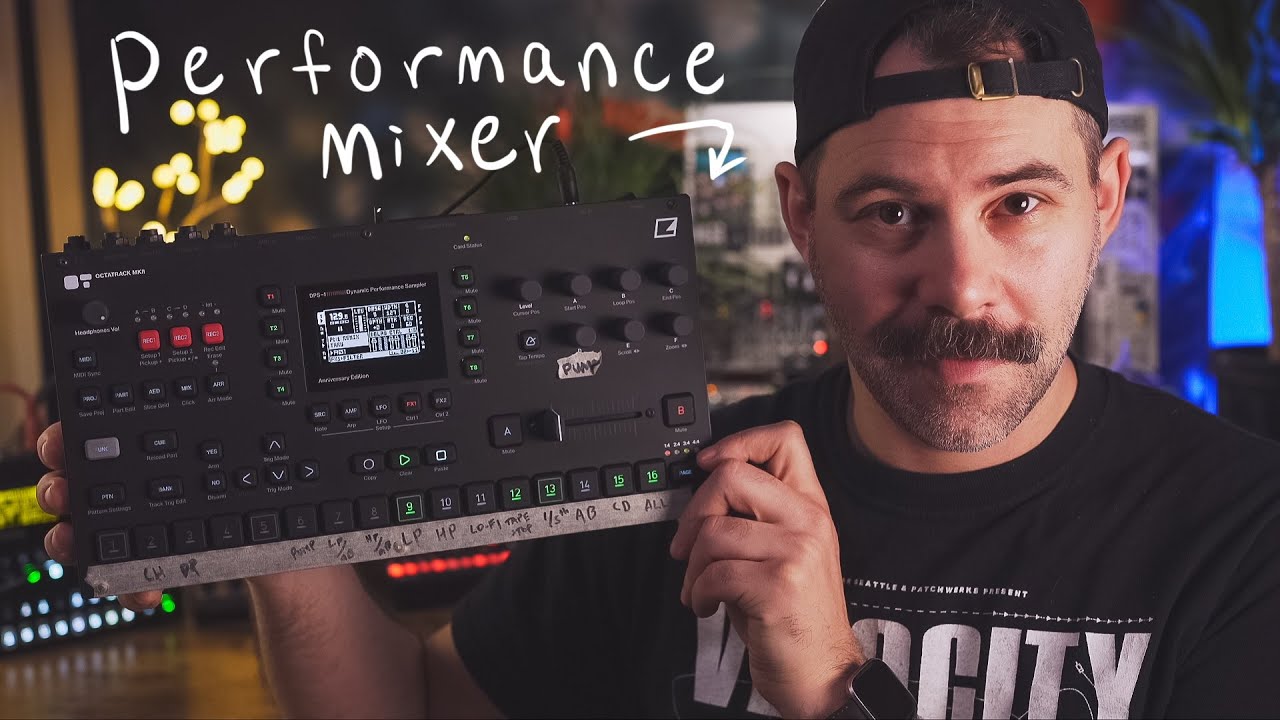
1 Like
When playing live, every song should average about 10 minutes. Whether you are a OT ninja or playing in a rock band or doing singer songwriter stuff with minimal accompaniment. I’ve done all of that for the past 25 years. It’s all the same. So 20 minutes to me is 2 songs… especially electronic music. I’m sure you have more than 2 songs ready? I do the “4 tracks per bank” style on the OT, so each bank is minimum 30 minutes but generally I can stretch it out to 45 - 50.
3 Likes
I’d also add that I rely a lot on elektrons perf pads and macros as well as the OT’s scenes.
Since the OP mentioned and OT, I’d explore that realm heavily.
You can completely morph music in unexpected yet pleasing ways if you invest enough time into scenes.
1 Like
Parts on the OT too, you can go wild places then return back to a stable groove.
3 Likes
This isn’t as relevant to the OT but “Sound” system on the DT (and other Elektron boxes) is very handy for improvisation. You can just spend long sessions creating banks of Sounds that you can load to tracks, sequence, and tweak on the fly. It would be awesome if there were a way to generate a kit of randomly selected sounds but I’m sure there are strategies for save kits/patterns without remembering exactly what slots they’re in so that you can let them surprise you when you load them.
1 Like
I wouldn’t be surpised if there’s some creative ways of using software like Octachainer for this purpose.
1 Like
This has been fundamental to my approach for years. Every performance is different, even with the same core material.
3 Likes
You and maybe a handful of haters are the only ones at a live show who would ever think about if someone’s live set feels contrived, everyone else is just there enjoying the music.
But everyone here has said something that can be taken to heart, so my best advice is make yourself happy, and when you’re happy with what you have, then even those handful of haters might come around.
8 Likes
Interesting question. Working with hardware has made me think a lot what it means to play “live”. There’s a whole spectrum on this with an improvising jazz band on one end and a DJ playing a prerecorded mix on the other. In between there’s a big grey area, eg. a well rehearsed finger drum work-out vs using the OT to mix fully mastered tracks vs a rock band that plays a super tight set, etc. … Anyways, as @shigginpit points out, you’re the only person that cares about this.
To answer your question however: For me playing live is the most fun when I approach it as a DJ set:
- I make a lot of tracks where the harmonies blend well together (see mix in key chart below). I then use live loopers to mix these tracks together, and because the melodies fit well together it’s easy to come up with new & creative combinations (e.g. looping pads from pattern X with the lead of pattern Y, then mixing in the drums of pattern Z).
- For a live set I would for example start in C minor (5A), then work my way up to E minor (9A) and then back. I know that some artists push this even further and just make everything in one key, but I think that this can sound a bit boring after a while. Playing a track in C major after a long walk in minor scales can be quite magical

- Each of my tracks has elements that can be used to match the energy level. For example: Adding a nice percussive loop and nice strings when playing a bit slower or adding a harsh hihat and stripping away other elements when playing a bit faster. On the Syntakt I can also easily adjust the kick to make it sound more aggressive or softer. This way each track can be bent to a softer or harder version.
- I usually have a good idea of how the sequence will look like (e.g. start & ending track + 2-3 key tracks), but I add extra options to match the vibe of the dance floor: e.g. have 4-5 warm-up tracks ready (all in a similar key), but if the room is ready to dance then just play one of them and bring in the beats earlier.
Hope this helps!
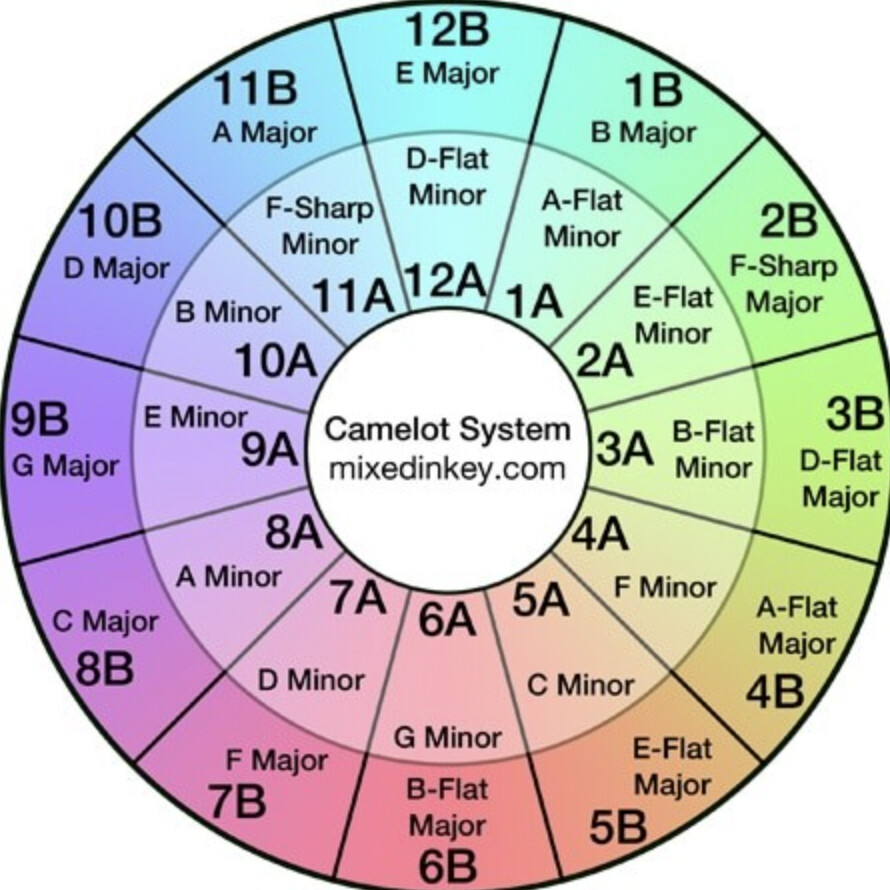
3 Likes
Just to clarify (although it’s mostly semantics) my intent was to say that the composer / arranger / performer is the only person invested in or thinking about how genuine they believe their own set / arrangement to be.
But clearly everyone who posted cares, otherwise they wouldn’t have all this solid advice, it’s just that each cares about representing their own vision due to their pride in craft. I still believe the majority of spectators at a performance haven’t the faintest clue if you pressed play on song mode or looped everything live. So long as they like what they hear, they don’t want to know.
7 Likes