As most folks know, there are lots of interesting intersections between math and music.
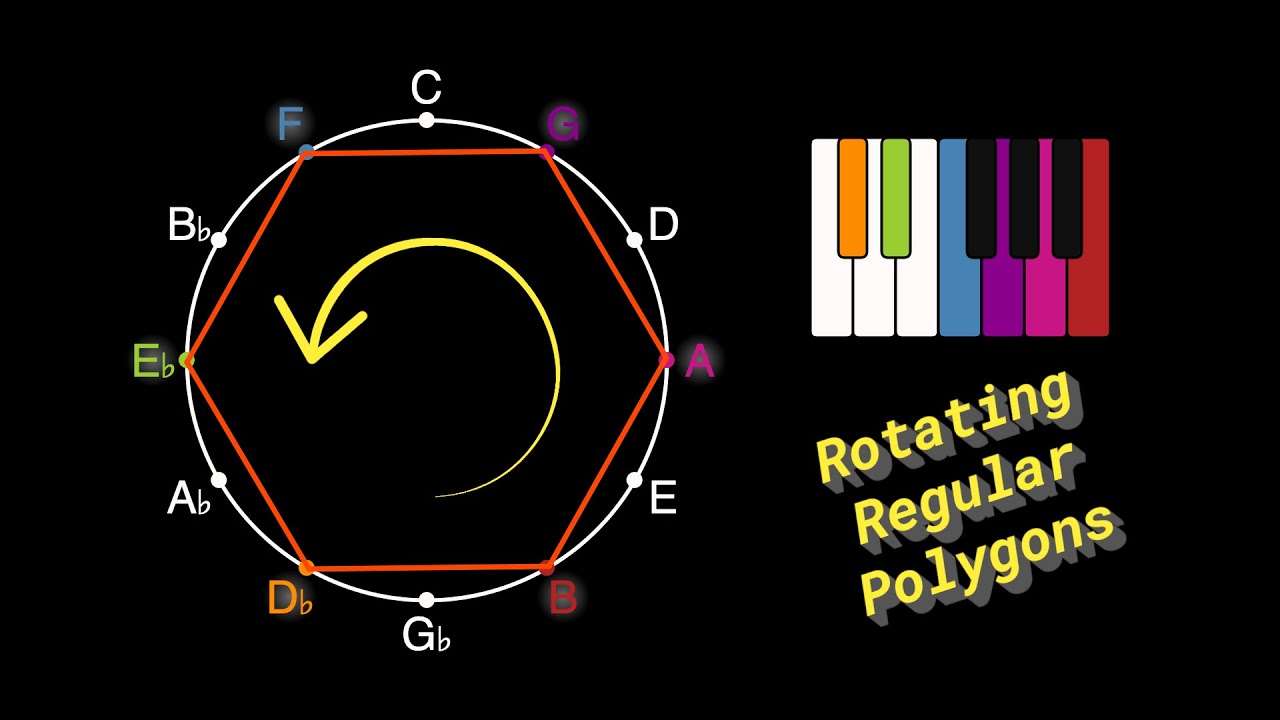
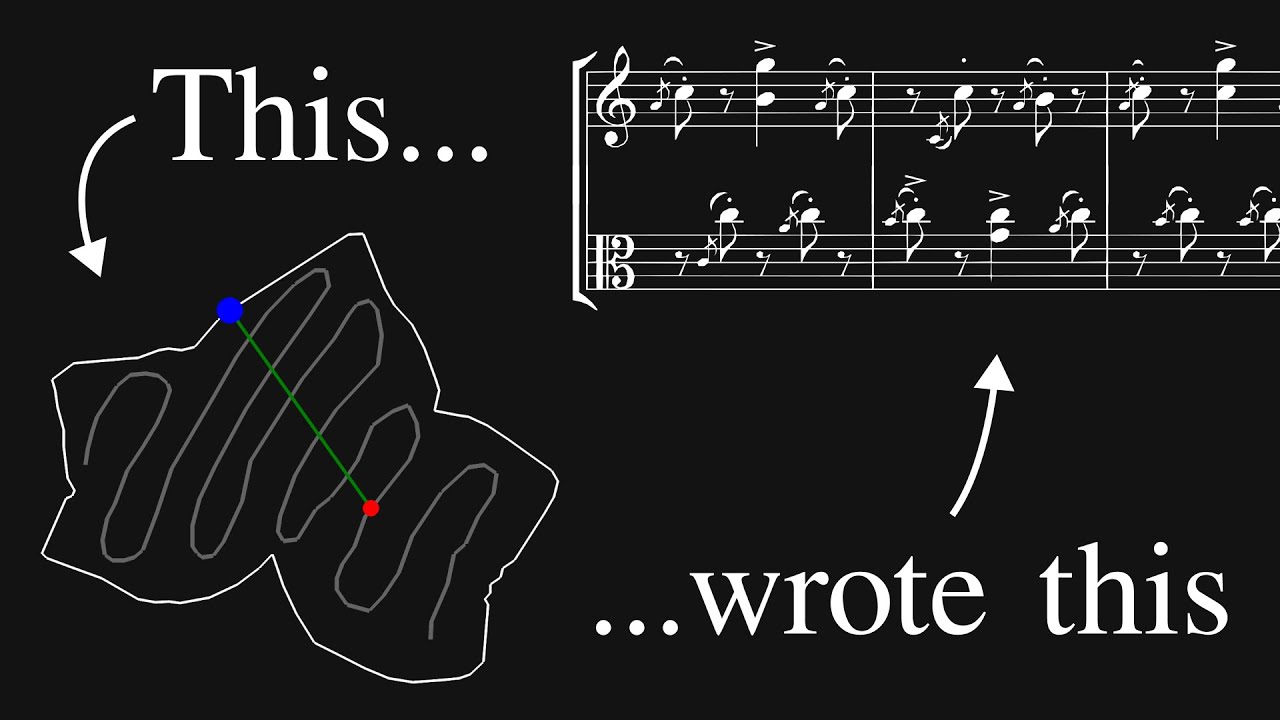
Below is a fun video exploring geometry and the circle of 5ths. Nothing earth shattering, but a fun way to think about implied sub-relationships hiding in that structure…This youtube channel has some other interesting stuff in this vein.
Do you have other math/music videos or discussions you’ve run across that you enjoy?
I’m not going to give any references ( intentionally ) but the whole topic of the comma pump effect in just intonation systems ( described by Benedetti in the 1560s ) and tuning theory in general involves easily enough understood mathematics. This is kind of like Shepard tones, in a different time scale and involving modulation. It is very little used today for its effect, but has good options for us interested in this forum.
Also check out another favorite topic of mine Leonhard Euler’s Tonnetz ( thread ) from 1739.
ADDED : You can apply the Tonnetz to either equal temperament or just intonation systems, in the case of the later it stretches out into infinity.
As far as books go, The Math behind the Music by Leon Harkleroad has a good chapter on change-ringing and groups. The chapter before that one is not bad as well, on tone rows and the mathematics with that.
Seems like a fun reference for systems to traverse the circle of fifths and finding new tonal contexts/scales. My mind goes to Tonnets in the eurorack module Ornament& Crime which is based on Neo-Riemannian theory.
Once you learn addition and subtraction in doz really well, and the musical interval and the musical name of each doz digit, finding any musical interval note to note becomes easy.
The ones-digit in doz is the note, the next digit up is the octave.
I learned it with ‘C’ as 0, but it can be learned from any note.
I’m not very good at maths, but I’ve been dicking around a lot with strange attractors, chaotic systems and fractals in Max/MSP. The whole concept of localised instability within a globally stable system doesn’t just look pretty mapped on a graph, it has lots of (not necessarily “musical”) musical applications.
I read a lot of mathematical music theory years ago. One idea that really took hold (both for me and in a lot of software/hardware) is Toussaint’s stuff on Euclidean rhythms.