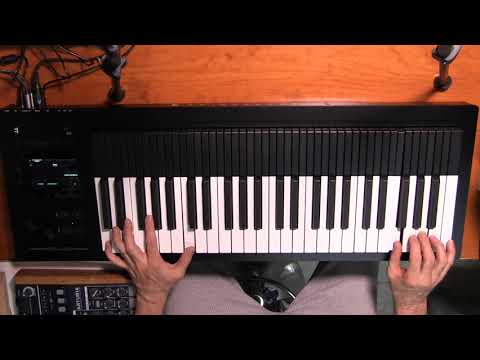
I can’t comment on the Osmose key resistance as I have not received mine yet.
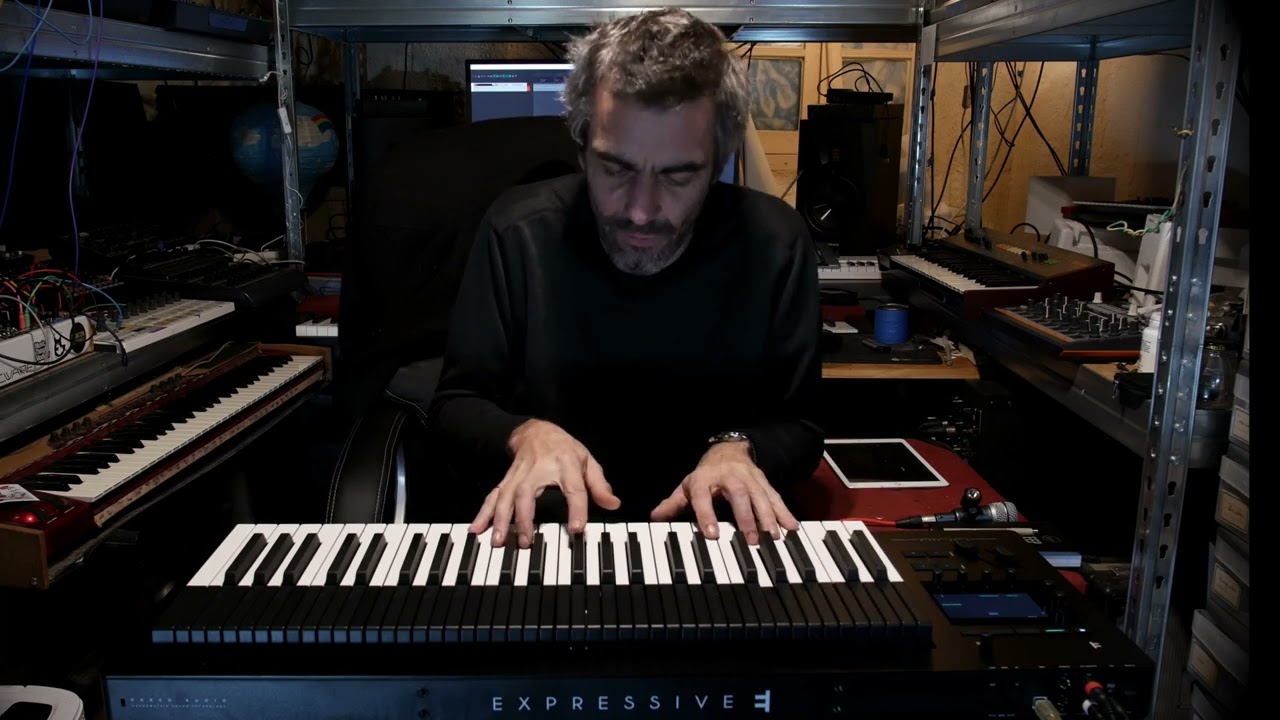
I was trained by my piano teachers to channel the weight of my body through my fingers, so it’s not just finger force being used to strike a key. That is why you see some concert pianists appearing to lean this way and that as they move their hands up and down the keyboard - they are shifting weight to generate force as required by the music. So leverage would not be a factor for me.
Of course piano pedagogy does not take Y position into account at all.
I’m definitely keeping my early bird reservation. The user videos really show off the potential for this and the EM sounds great. Its nice to see these in the hands of typical users and not synthfluencers going through and comparing saw waves and/or sweeping a filter… that probably just a result of how different and innovative of a product this is. Exciting stuff. Can’t wait for mine!
Creating patches in the EM will be challenge for anyone who does not know what they are doing (that includes myself). There is even a warning in the manual that you should turn the volume down when experimenting in the EM.
A lot of the “factory” presets in the EM are the result of years of work. They nicely showcase different ways of how high resolution polyphonic expression can be implemented in a synth. That’s why it is not a waste of DSP resources and time to just enjoy and tweak those presets
As a general note, the EM has good examples of what you can meaningfully do with all those expressive dimensions: when I used to own a Hydrasynth, this insight was helpful to program the mod matrix.
I’m imagining there is an established community of distinguished Eagan Matrix experts, whose forum is about to be invaded by a rowdy horde of philistines with their Osmoses … how do I make a dark Cello with some side bow?
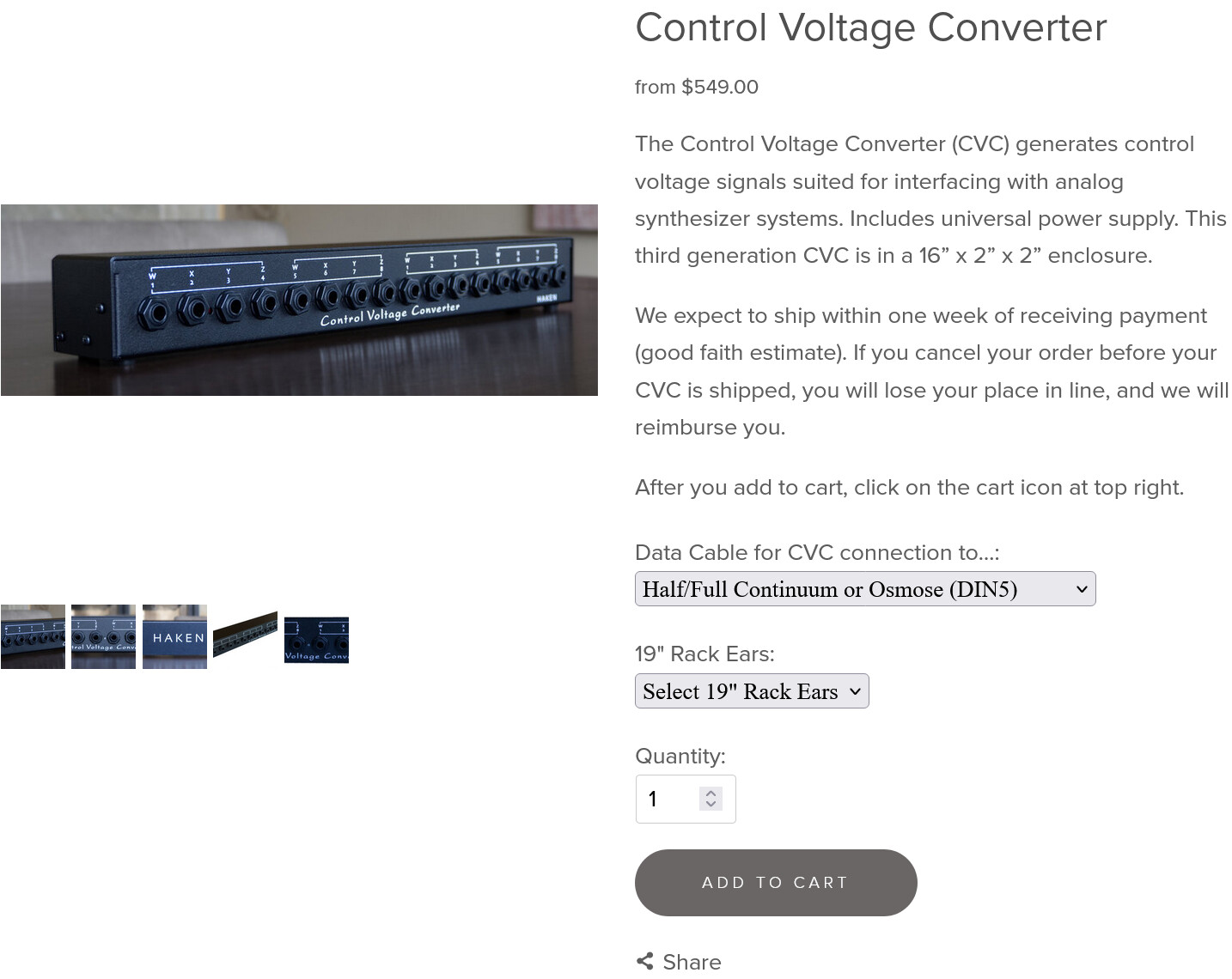
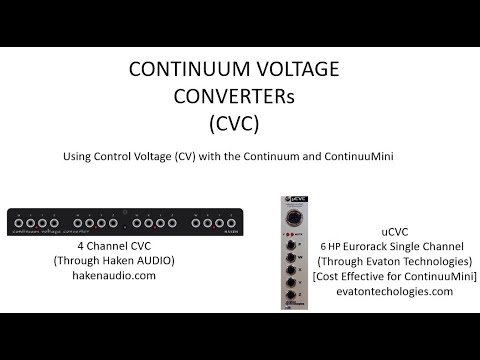
From what I understand, the full bandwidth from the osmose sensors will be available only to the onboard eaganmatrix or attached CVC via i2c. This is what they call MPE+, and it contains more detailed information about the key movement that is not available to the MIDI MPE output.
But now have we confirmed that there is not an i2c connector on the osmose? Does this mean no CVC connection?
(Solved: MPE+ is also available via MIDI; i2c is available via DIN5 when in the proper mode. Latest gen CVC has both DIN5 and 3.5mm i2c inputs.)
MPE+ in midi form is available, the usb connection features 2 virtual midi ports and one of them, the 2nd one named Haken, outputs MPE+ messages.
Also I’ve been looking through the global settings and there is an option in the midi i/o section called ‘din mode’ and one of the things this can be set to is called cvc.
I do have an EaganMatrix module on order, been waiting for the last 4 months. I was hoping to gain some EM programming practice before the Osmose arrived ;-).
Tim from Midi Amsterdam will let me know when he received his first units.
My plan is to connect the Osmose MIDI out to the EaganMatrix module and so have a bridge between Osmose and modular. It would be absolutely amazing if MPE MIDI from the Osmose translates seamlessly to the EaganMatrix.
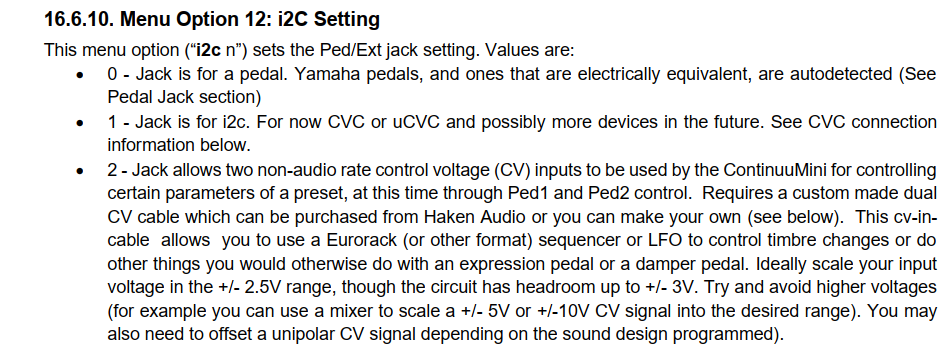
I mentioned this above, but the lack of an explicit I2C port doesn’t mean it isn’t there if they did the same thing they did with the expression pedal port of the ContinuuMini.
Yeah it’s an odd choice but it’s also one of the few showing external control in any fashion.
Still it looks like there’ll be a flood of sound demo and interop demos for the next few weeks.
There’s been very few sound demo videos for the EaganMatrix for the past decade which should end up exceeding the pre osmose levels in a couple weeks at this rate.