It has even an app for music recording that unfortunately has to be purchased additionally, but besides that you get:
Excellent PreAmps with XLR Neutrik inputs with a massively low base noise
32bit float recording with massive headroom (I would not recommend 32bit float for percussive material, but it can “save” many non high transient recordings)
USB Stick Backup
an audio interface via ASIO
Monitoring can be achieved via Headphones Out and Stereo Out, which can be also premixed digitally and independently from each other.
My concern wasn’t they would develop worse FX. I was worried that they would just port over the sims and effects from the H4n which have never been updated since the first H4.
I had a Zoom 9002 once. Then the H4 and now the MS100.
The evolution has been pretty stunning. The 9002 was the epitome of 90’s digital tech. The H4’s effects/sims were “good enough” to track demos but I wouldn’t use it for anything else.
The later Zoom effects (I haven’t used anything they’ve developed after the MS100) are pretty great in my view. Since I use the H4n more as a pocket sized 4-tracker than a field recorder these days, the R4 looks more in line with where I’m at these days.
I think the output section is the difficult part. I use a Palmer signal splitter to feed a Zoom F3 on one side and the monitors and headphone amp on the other.
I hesitated between the Mixpre and the Zoom F3. Not exactly the same league feature and price wise. Finally I went for the Zoom in terms of ease of use (access to the Sd card, USB C, UI).
I was thinking, why would zoom put a hardware high pass filter on a recorder. That doesn’t make any sense from a cost/space perspective. It is likely a digital filter but if so, why wouldn’t you be able to turn it on or off?
That’s a decent solution as well, but if it was me without monitoring audio from the recorder as well I would always be wanting to double check it was getting signal.
But yeah, I think the R8 is the only cheap and relatively small audio recorder that has balanced 1/4 inch outputs.
a note about H6, I tried using it but had real hard time setting equal gain for stereo recordings, the gain knobs are very sensitive and there’s no notches, so setting inputs to equal gain was kinda hassle, every time I touched the H6 the gain changed and then I’d spend some time playing mono sound and try matching both channels, I suppose you can correct it afterwards in DAW but it drove me crazy and I gave up using it.
lots of people use it without issues though, just my experience with it…
Another, mostly happy, DN300R user here. It really doesn’t get any simpler than this, which gives it this nice air of reliability because there aren’t a lot of things that can go wrong.
My main regret with it is that there’s no way to externally control it.
It is literally a pocket-sized mixer with 12 inputs (6stereo or 12mono or anything inbetween) that records MULTITRACK to sdcard! So you have all instruments as seperate tracks plus a main stereotrack.
Just hit record, simple as that!
And: you can control it with any midicontroller. I use a novation launchcontrol xl, which just is perfect for it.
Look no further bro.
Edit:i saw blackbox and tangerine mentioned by the same company, but those are samplers, different thing.
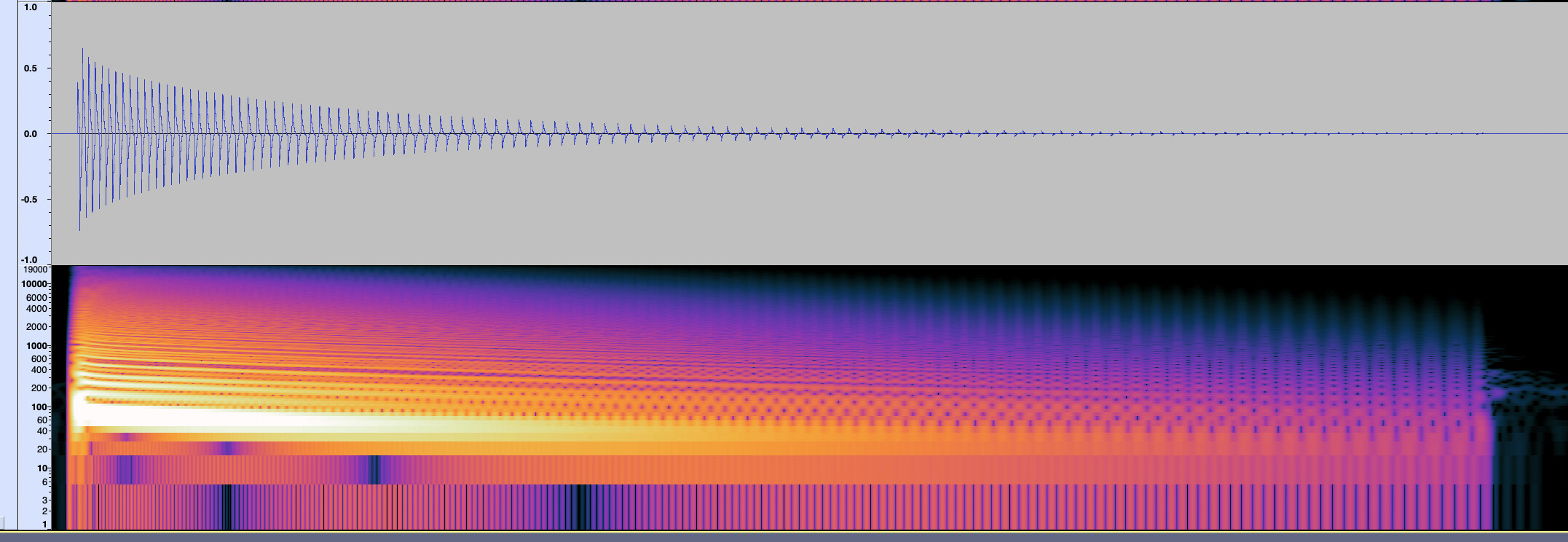
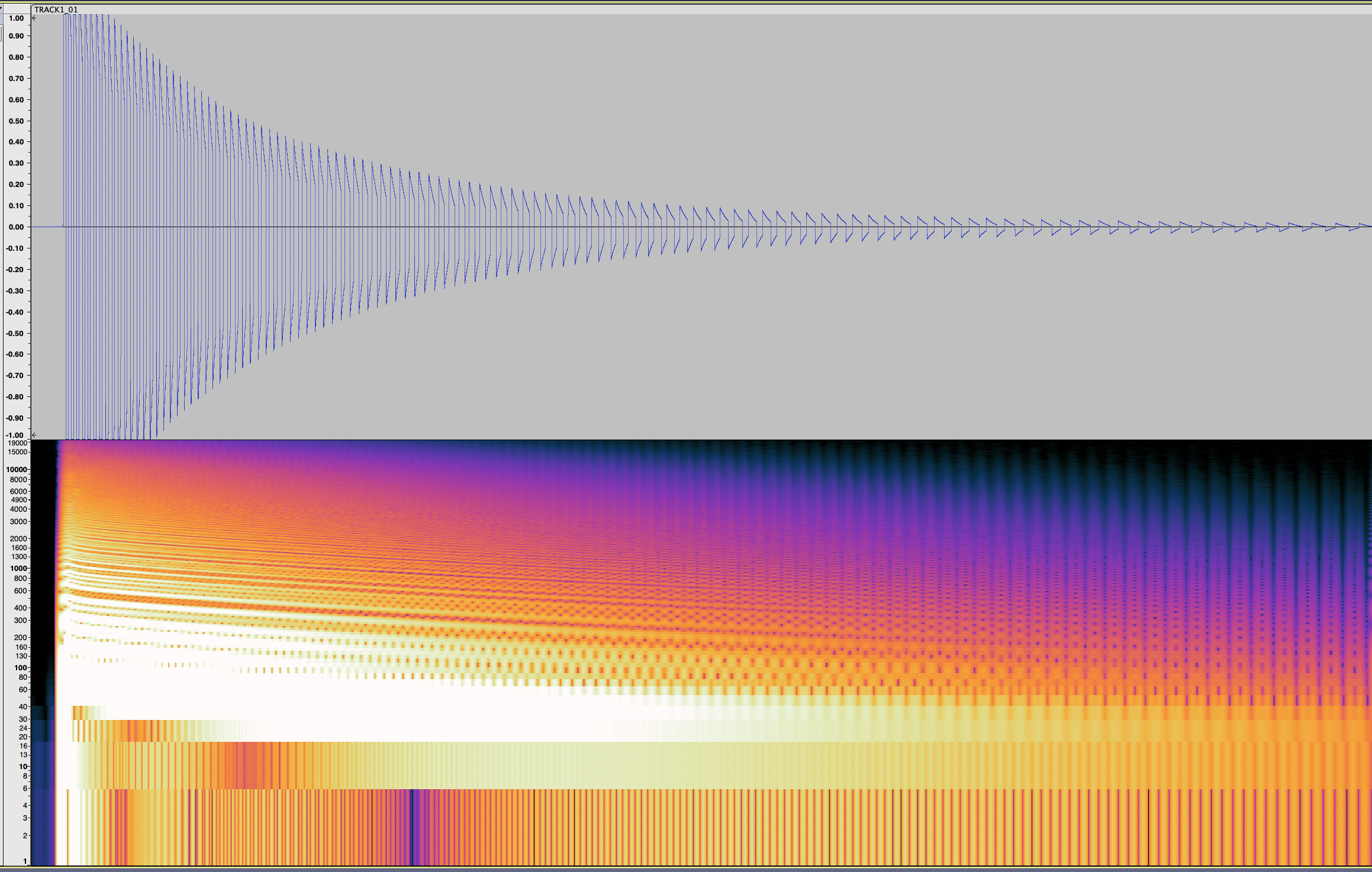
On closer reading it seems the attenuation may be on the mics, not the line in. So I made up a quick test with my 2600m and I don’t see a cut. Quite the opposite, I see a lot of energy under 100Hz.
Update: the shape of the waveform I get out of the R4 is different. I tried various Audacity low pass filters and ended up with a much more obviously highpassed waveform than what I see from the H2n. Maybe the H2n haters are on to something, but I’m not entirely sure.
Another suggestion if you are actually using an audio interface in your DAWless setup and if it is class compliant: Hook up your phone with USB and record from there. Saves you an extra DA → AD conversion and it’s for sure the least costly solution.