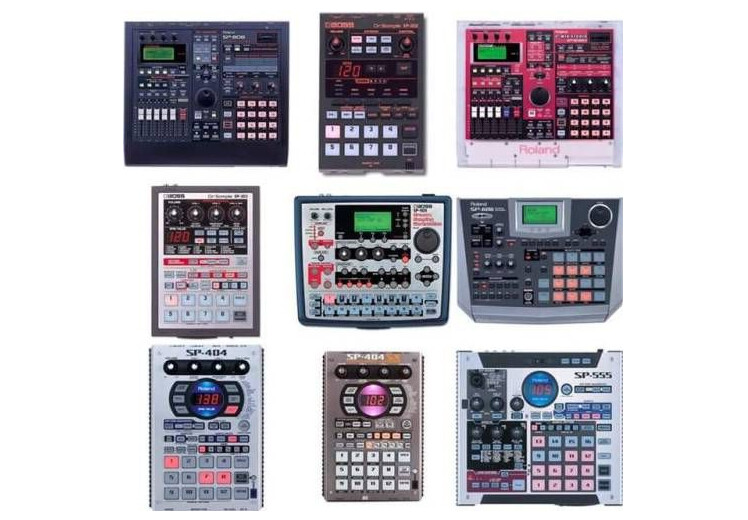
Content sharing and discussion of all legacy Boss/Roland SP products which are not the 404 MKII.
24 Likes
I felt pretty bad for posting in the MKII thread when talking about the classic machines, so it’s great to see a dedicated thread for them at last.
Plus, no need to open a new website now.
7 Likes
Great idea for a thread. I’ve tried many of them over the years, although not the big boys like the 808, and not the 606. They all certainly have their own charm.
5 Likes
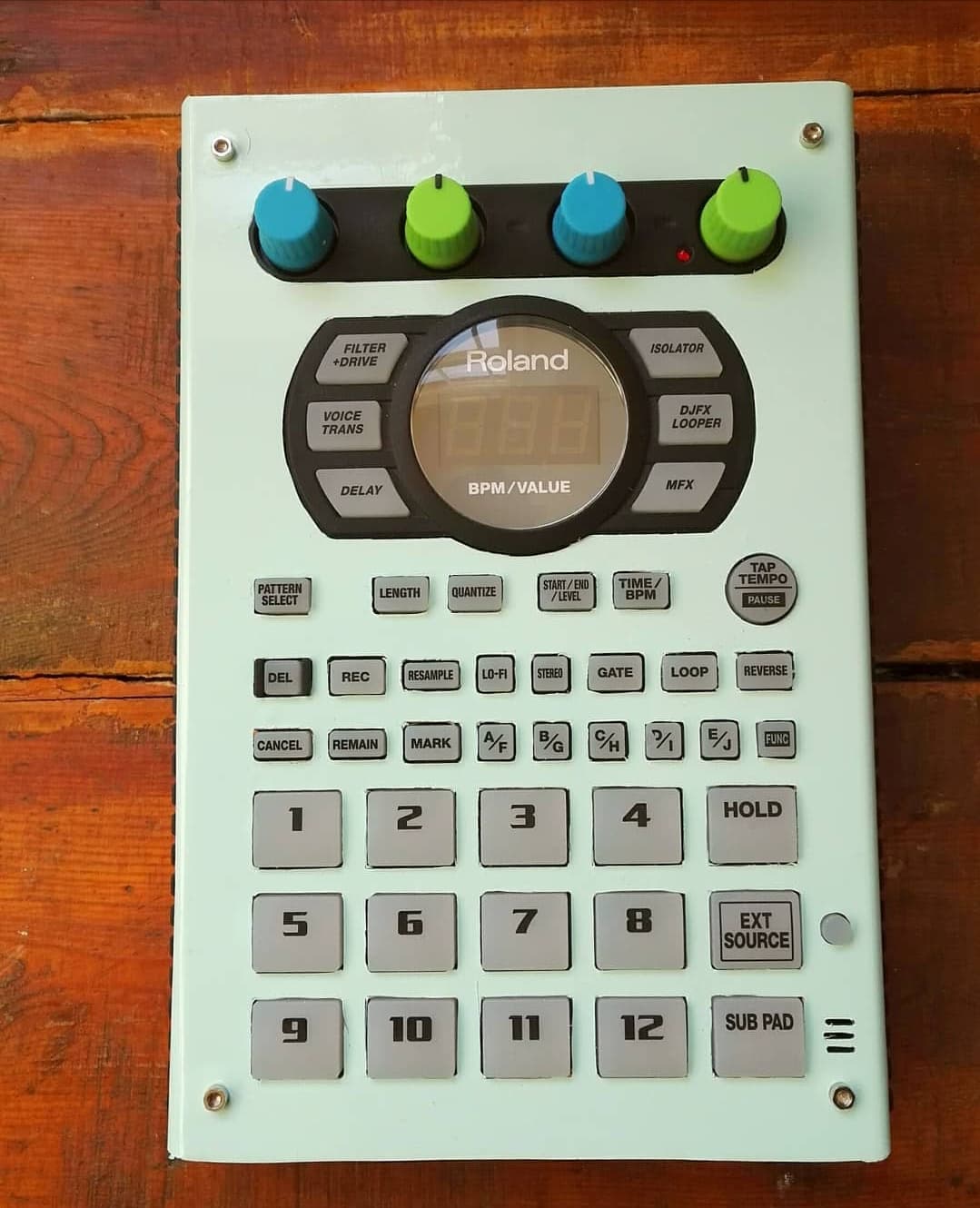
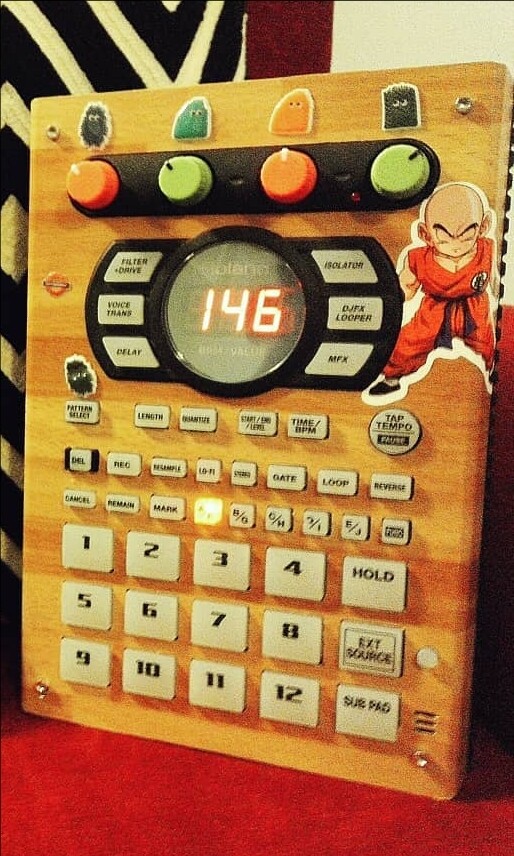
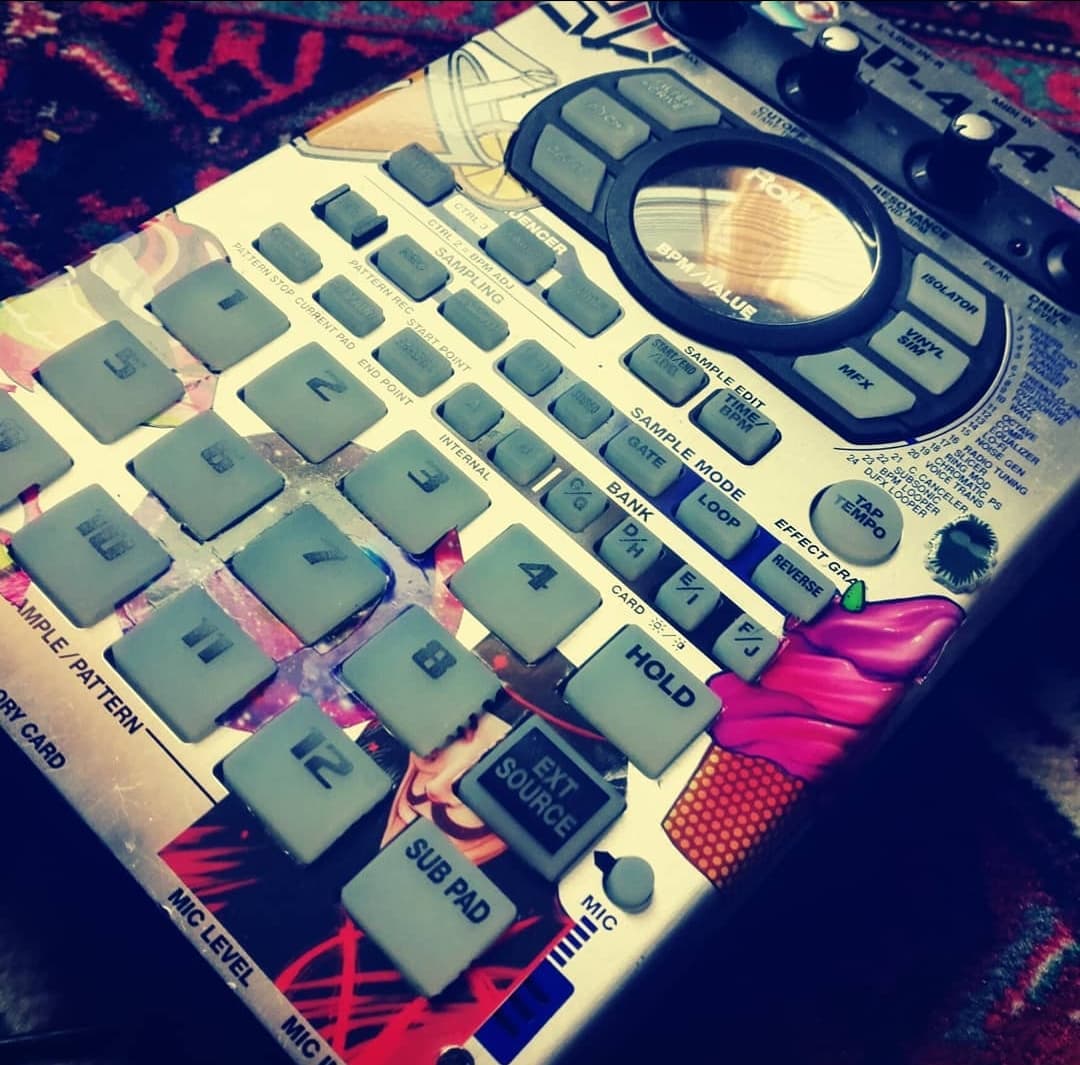
Got myself a SP202 this year with the intent to use it as a character box! Also needed something with a quicker workflow and smaller size/weight. A perfect friend for my DT 
5 Likes
I love the SP202 and the workflow which is wild and loopy unless you sequence it externally (which is fun too) but I might suggest if for nothing other than the sake of your interest, you also look at the Roland MS-1 (released in 1994) which might be silently considered the precursor to the entire SP line and which has a similar character to the 202 but can be used for pass through audio processing as well.
By pass through audio, I mean you plug in a cable and then in one of it’s modes you can monitor audio at the output through the convertors, like a lofi audio effects unit.
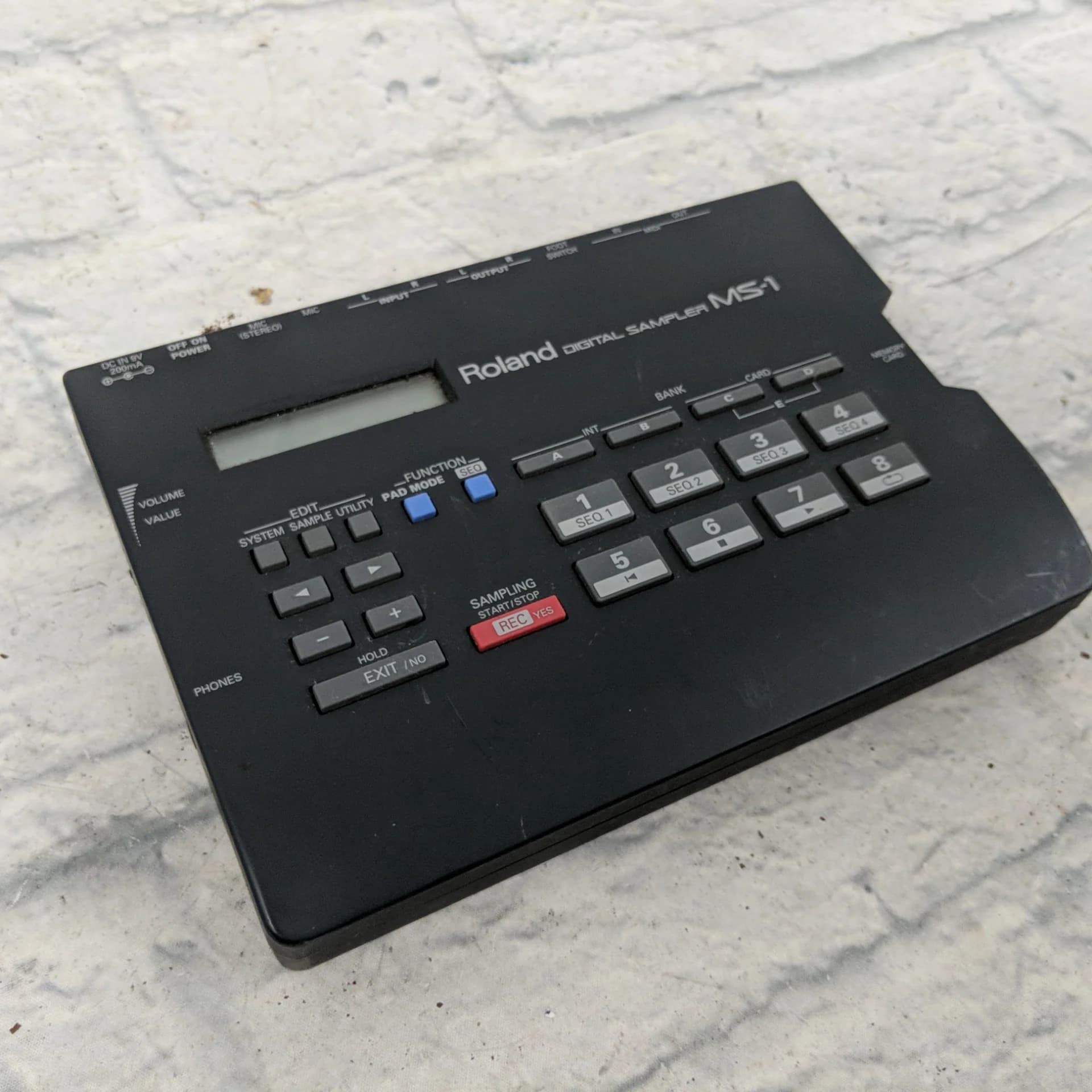
Onboard the sample memory is pretty limited but having different sample grades means it’s still usable and it has a memory card option in the form of a super obsolete sandisk PCMCIA card.
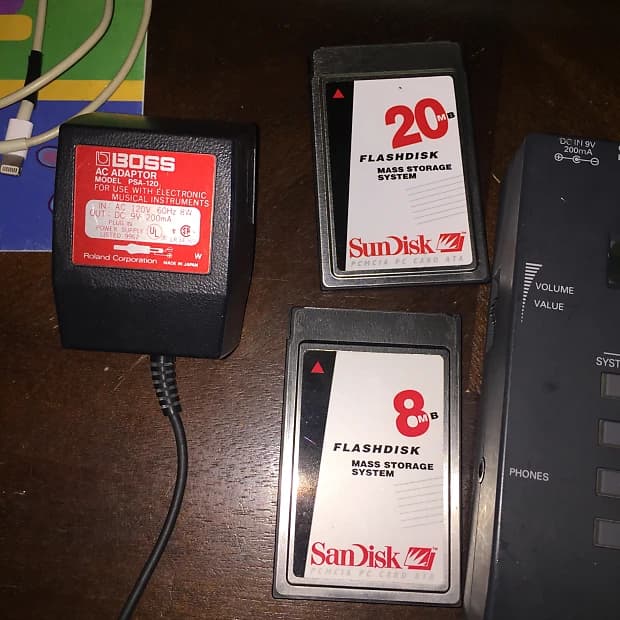
It does not have effects like the 202 and I feel like the 202 is a little more user friendly for a hands on experience, but I realize that some people are only using the SP202 for the sampling and as a module and not for the effects or other hands-on use. Also, these can often be found for $100-150 USD but who knows how long that will last.
Wait for the right person to make a video about it and it will be over with.
Another thing about the MS-1 is that it has an adjustable start and end point by way of numeric readout on the display so where the 202 has only the mark function, this one can actually be adjusted in small increments. Maybe not small enough, but something. Also a very remedial onboard loop type sequencer. Sequencer may be the wrong word, but something more than the 202.
Keep the 202 though, everyone should have one 
7 Likes
YAY!
Edit: I tried to just post yay and I got grammar shamed for it not being a complete sentence.
6 Likes
7 Likes
With character I also meant the filter and pitching, also the SP202 is way more beautiful next to the DT  . The workflow is already 10x faster than what I was used to using 19" samplers.
I sample vinyl first into DT, than SP202 for flavour, back into DT for further sound design and making the beats. I dont want to f around with MIDI anymore and bad/small storage.
5 Likes
I have a 505 and a 606, if anyone has questions about them.
First thing to know is they don’t write WAVs; Roland used a proprietary way of storing sample data for those boxes, and it changes the sound character somewhat. So not the same as a modern 404, I would imagine, since AFAIK the current machines are WAV-based.
6 Likes
Yep. sp202 is also RDAC format so, unfortunately, you can’t put your own samples straight onto the memory card.
I saw someone (on youtube) saying that there’s a way to do it with the sp303 but I’d have to see it confirmed.
Ah, well… confirmed, I guess. Looks super useful.
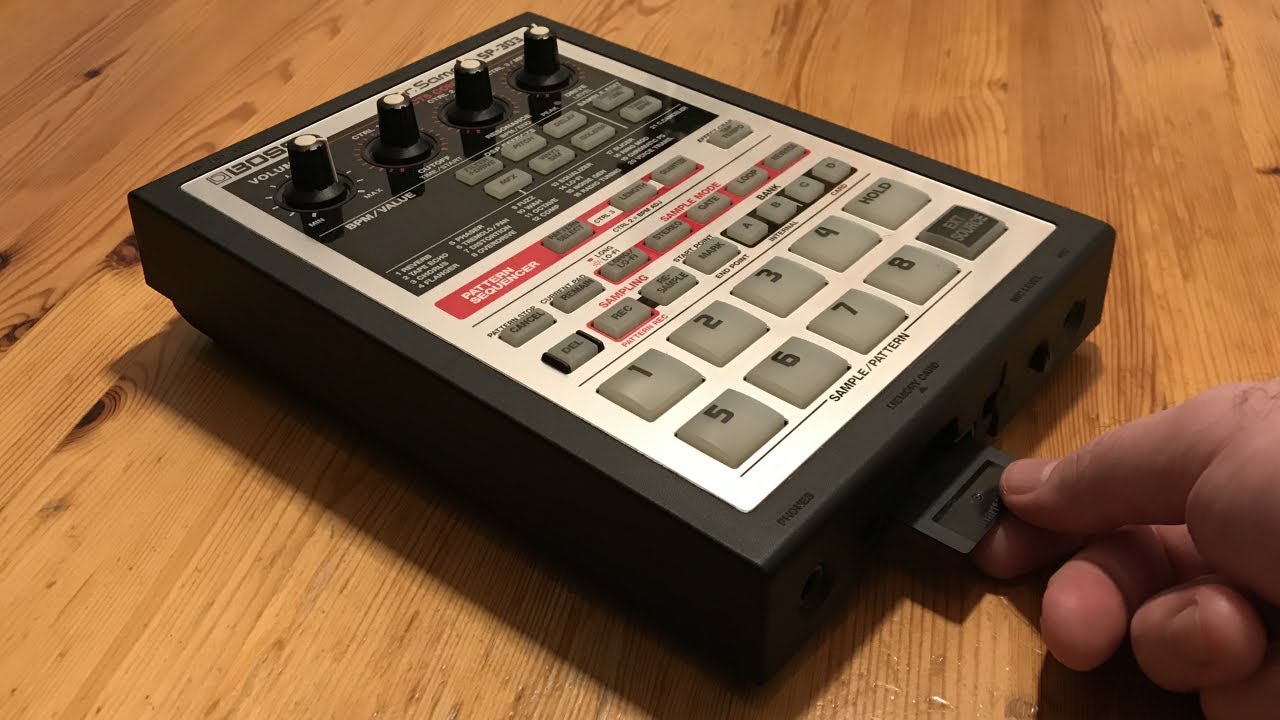
considering that the 505 and 606 both came out after the 303, I might be inclined to try this same memory card conversion / loading procedure. If I owned one of those machines.
4 Likes
Getting wavs onto the 505 is definitely possible, and, from memory, a little bit simpler than the 303 process in that video.
EDIT: I know nothing about the internal format they get converted to.
3 Likes
The thing to be aware of is WAVs don’t stay WAVs on a 505 or 606, they get rewritten in Roland’s less hifi format.
I can’t remember the details of how the audio format conversion process works but could pull the manuals if anyone wants to know.
2 Likes
I recently got a 303 with some pads that aren’t very responsive. Has anybody tried this?
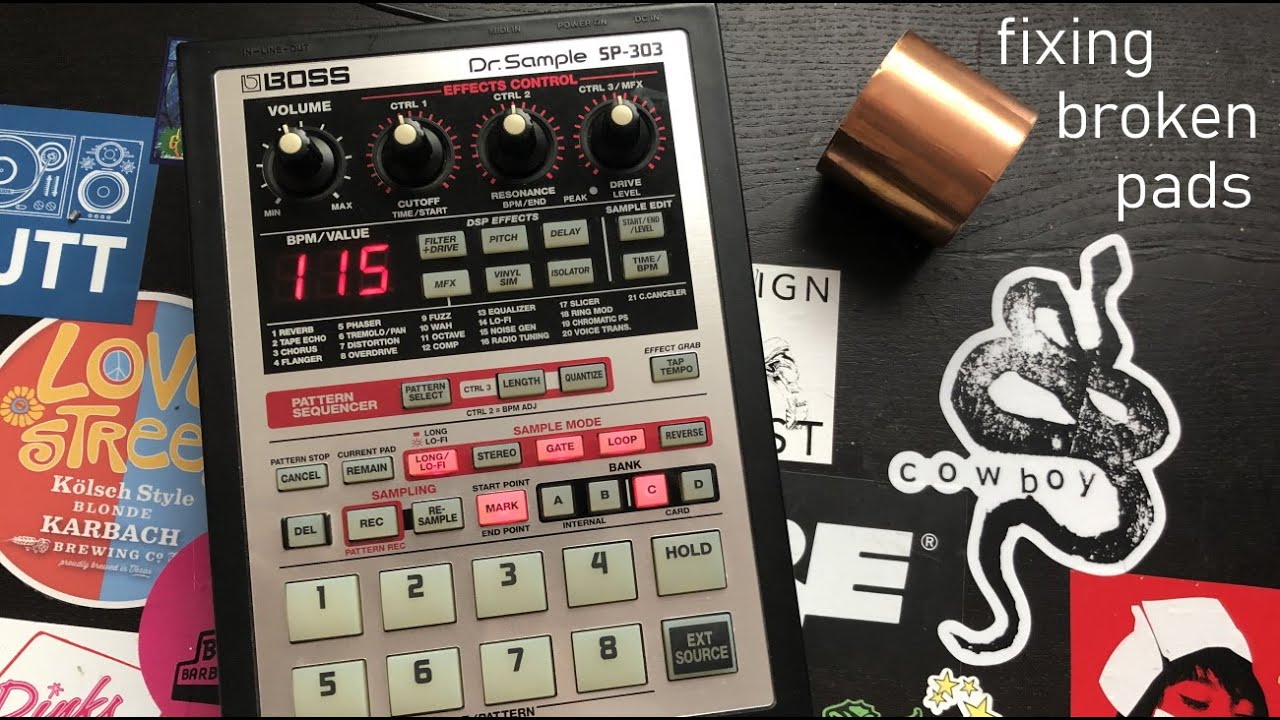
The comments make it sound like it’s pretty effective, but I’ve never really messed with trying to repair any gear so I’m a little hesitant. Anything that isn’t mentioned in the video I might need to know?
5 Likes
I’ll have to watch the video, but this should be effective.
The other thing you could do is buy some conductive paint and recoat the contact surface. The only issues would be making sure it’s a paint which will bond with the silicone, and that sometimes conductive paint can be relatively expensive by volume (a lot for a little). The upside to this is that there must be a commercial grade of that paint available because tv remotes and anything which uses these silicone pads will also be coated in some sort of conductive carbon, so it should be available, but I’d buy something specific to fixing tv remotes as opposed to shielding guitars etc.
The only thing I’d consider with the copper tape is that while thin, it is not as thin as the conductive coating and in that, very small as it may be, could impact the responsiveness on the release side of a pad press.
It may be something undetectable, I don’t know, but it’s like having an extra half mm or whatever which the pad needs to travel upwards before it will break contact with the trigger surface. Whether that will impact any human interaction or delay the response by any measurable amount is probably very subjective to things like use case, familiarity with standard operation and also with how you adapt to something like that, but devil’s advocate is that it might impact something like finger drumming if you’re into that.
You’d really need to test it against a perfectly functioning unit to notice if there was a difference or if it felt off.
As far as basic operation and cost efficiency I think that it would be fine.
Looks like this is a precut version of the same thing, specific to 303 repairs.
Not implying that it’s a better option but maybe less work on the whole.
3 Likes
Thanks, shig! That does look like a good option. I’ll report back
2 Likes
Great thread!
I’ve been using the sp range for making hiphop since 2012 or so, first as companions to my mpc 1000/2kxl, later with my DT/ARmk2. The sp’s are perfect as quick sketchpad/fx units next to bigger units with more sequencing and saving power. I often sample into them and make chops just to try out.
I currently have: 202, 303, 404, 404sx, mk2.
All of them have a special place in my heart except for the mk2 which is great on paper but for some reason I can’t seem to get along with the sound of this unit. Are others in a similar situation?
For me the 202 is the king soundwise, the sx comes in second, and the 303/404og have some magic in the vinyl comp.
Special shout out to the zoom sampletrak btw. An underrated cousin to the sp range.
6 Likes
I have the 202, 303, 404OG, 404MKII, and P-6. I think the P-6 deserves to be in here as well even though it has its own thread, as it shares some DNA with the older SPs.
The 202 is my favorite sound wise, and I think it pairs really well with the 404MKII. I kind of love them all though.
Reposts, but here are a few beats I’ve made pairing the 202/303 with the 404MKII the last few months.

Also a couple of old P-6 videos from when I was trying to get Yamaha VSS30 ambient loops out of it.


Kind of funny but lately I’ve been thinking of trying to make some techno with the old SPs. I went down a rabbit hole buying Basic Channel, Maurizio, Rhythm & Sound 12”s the last few months and realized that one reason I may love his sound so much is that from what I have read he was using an SP1200, Prophet 5, and old tape delays. Made me wonder what I could do with an SP202, Take 5, old analog delays, and a Portastudio. I’ve made drum & bass tracks and dub reggae tracks before but I’ve never actually tried making techno, so it would be uncharted (sonic) waters for me.
9 Likes
I also really like the idea off-genre uses. I think you could certainly do some techno if you wanted to.
4 Likes
SP-202, SP-303, SP-404A here, though to be honest I don’t just see them as Hip-Hop machines, I see them more as audio sequencer tools, something for holding samples so that they can be triggered on demand while recording the result.
SP-202 is perfect for that because you get the sound, the simplicity, and you get to add levels, EQ, panning, resampling and audio sequencing to it by pairing it up to a four track cassette recorder, which in my case is the Yamaha MT50.
EDIT: Currently looking into noise reduction pedals. I want the pedals for a specific effect on the audio, and I won’t know if they’ll work the way I’m hoping until I actually get some. Either way I’ll post some with/without audio examples once I have them.
3 Likes