You seem to be making a point about the shared applications of two very different synths and how either could be used in place of the other when writing or producing a track in a broader sense. And that would be great if you weren’t saying you were arguing against my observations about a different application.
The subject I responded to is the idea of measuring the “warmth” of the two synths, or of using them to fill the same spaces in an arrangement in the same way.
I have heard the word “warmth” as a descriptor for what artists and producers want for most of my life. I know what artists usually mean when they discuss it in the process of producing a track or an album. They are almost never referring to the strengths of purely digital synths, though the lines can be blurred and some synths are good at some aspects of mimicry. You can compare the original DX7 to the DX7II, for example, and interpret the chorusing and detuning effects, combined sounds, and other fattening additions to the later instrument as being “warmer,” and I’d know what you meant. So “warmth” might have been introduced into conversations with me in terms of building that particular sound. But the artists would never point to a DX7 of any iteration and say they wanted it for its “warmth.”
Another important factor, obviously: the palette of digital synths has widened immeasurably. The limitations of DX7s (as great as they are) are relegated to the decade in which they were ubiquitous.
You mention your background and profession and I respect that very much. It’s much harder to make a living as a musician now than it was when I was most active. I hate saying this on Elektronauts, but for 20 years, I made my living as a studio keyboardist in NYC. I was called primarily to build or fill out arrangements on other artist’s tracks, some famous, some not. Here’s why I have to mention that:
In terms of the specific question of palette, the sonic strengths and signatures of different kinds of instruments were crucial to the work I did and to being hired again. I was a session player and arranger specifically. I was not producing and arranging on the road or with a limited number of instruments. Again, I respect those limitations and the ingenuity and judgment that working with them involves.
You’re speaking about a multi-purpose instrument to use for production and I don’t disagree with you. But I’m talking about the specific area for which I was hired: where synths would sit texturally and timbrally in a mix relative to other synths and instruments. So I take your point, but you and I are addressing different subjects and they will matter for different use cases.
On technical matters of programming and getting the most out of Elektron instruments, modular setups and the rest, I defer completely to people here, most of whom seem to have better command of the gestalt of modern programming than I do now. I am but a student on these forums because the landscape has changed.
But when people talk about the strengths and weaknesses of different synths combined in an arrangement, they’re talking about something I grew up doing and was paid to do for most of my life. I’m talking about that one thing. You’re talking about something equally important but different.


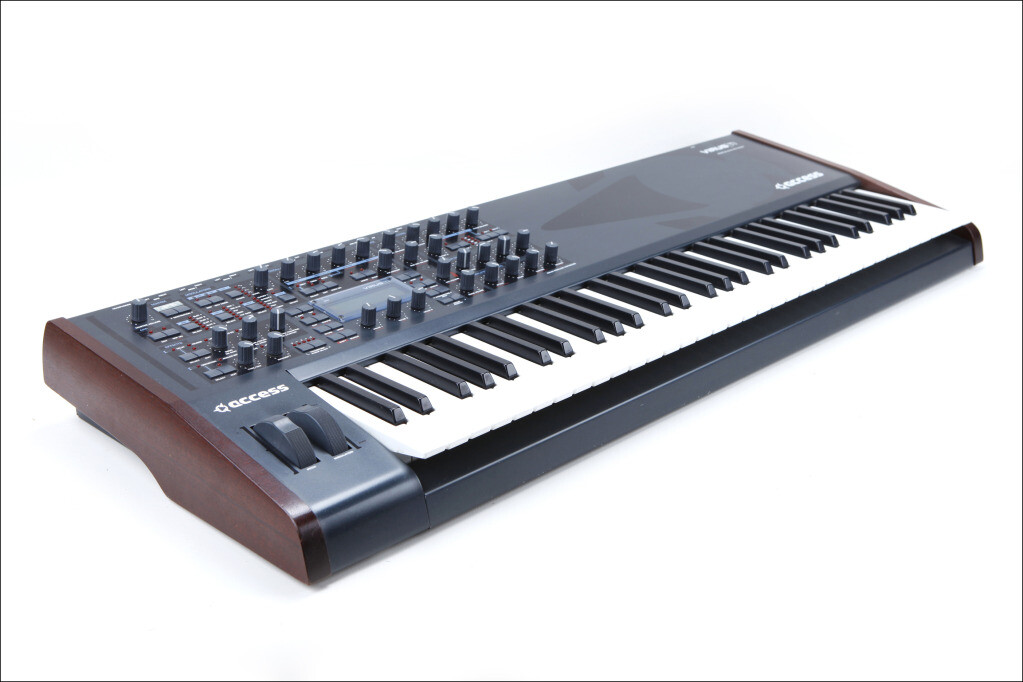

 best pads, good leads and good arps. Bass is good for Reece type sound but not so good for short basses but you still can get very good tones. Soundscapes on virus is crazy… you can walk in space and drone to moon and back
 Peak is good sounding but it’s not multitembral not so good for live playing… virus can run up to 16 tracks so it’s live power horse
