Learning to read music is another option. I’d been playing for 25+ years and really hadn’t made much progress beyond what I’d achieved between the ages of 15-22. Five years ago I picked up William Leavitt’s Modern Method and started the mountain climb of learning how to read. I’m by no means a guitar virtuoso but I’m light years beyond where I was 5 years ago - more importantly the guitar is a magical thing for me again.
Non-obvious things to me in hindsight - learning to read developed my ear much further. Probably because reading music allowed me to plough through material much faster. Also for me material that would probably be too impractical by ear (and to keep in repertoire) like Bach Violin Partitas or Cello Suites are now accessible due to reading. I found many things that were previously hard for me to hear, minor scales, flattened intervals, chromatic stuff, diminished chords - but these appear in a lot of sheet music and working on these things made them more readily identifiable when listening by ear.
Recently I’ve been interested in chord melody style playing on the guitar since that puts a lot of theory immediately into practice (without wallowing around in theory). I’m forced to know my triads, where all the notes are, the inversions etc. My current long term goal is to be just grab any old thing from the Real Book and play/arrange it chord melody style on the guitar with relative efficiency.
Admittedly when I started down this road 5 years it felt like starting over, but in the end I don’t think that really mattered that much. I knew if I didn’t do something - the day I stopped picking up a guitar was just around the corner. Today I find that I have a voracious appetite for all things guitar (which I didn’t have before) - jazz, rock, blues, r&b, folk, classical - I’ll try anything now, no matter how simple or challenging as long as I find the music interesting in some way.
re: scales for 25 minutes, that does seem like a good exercise. The only thing that I’ll add is that I personally found that a lot of interesting music requires more creative fingering decisions than what you’ll rehearse just doing scales. So the scales tell you where the notes are, but songs force you to understand how to make it actually work in practice
I’d wholeheartedly recommend playing along with records. It’s quite fun and makes you think about how to create chords yourself without direction. If you get really good at this it helps you improvise and compose stuff too. It also can allow you to develop your own style since you have no conceptions of what’s good or not
“See, a lot of cats don’t work on their rhythm enough, and if you don’t have rhythm, you might as well take up needlepoint or something. I can’t stress it enough. The next thing is pitch. That’s universal – you’re either in tune or you ain’t [laughs]. When you get these things down, then you can learn how to solo.
“Guitarists should listen to singers for solo ideas – especially women singers. Women haven’t had a chance to run the world yet, so you still hear the blues in their singing. Try to play one of the runs that Beyoncé or Ella Fitzgerald does and you will surely learn something.”
(note: Melanie Faye is well known for adapting Beyonce vocal licks to her playing)
I dropped off my guitar for repair and upgrades yesterday and I’m having a hard time containing my excitement. It’s going to be a rough 3 weeks.
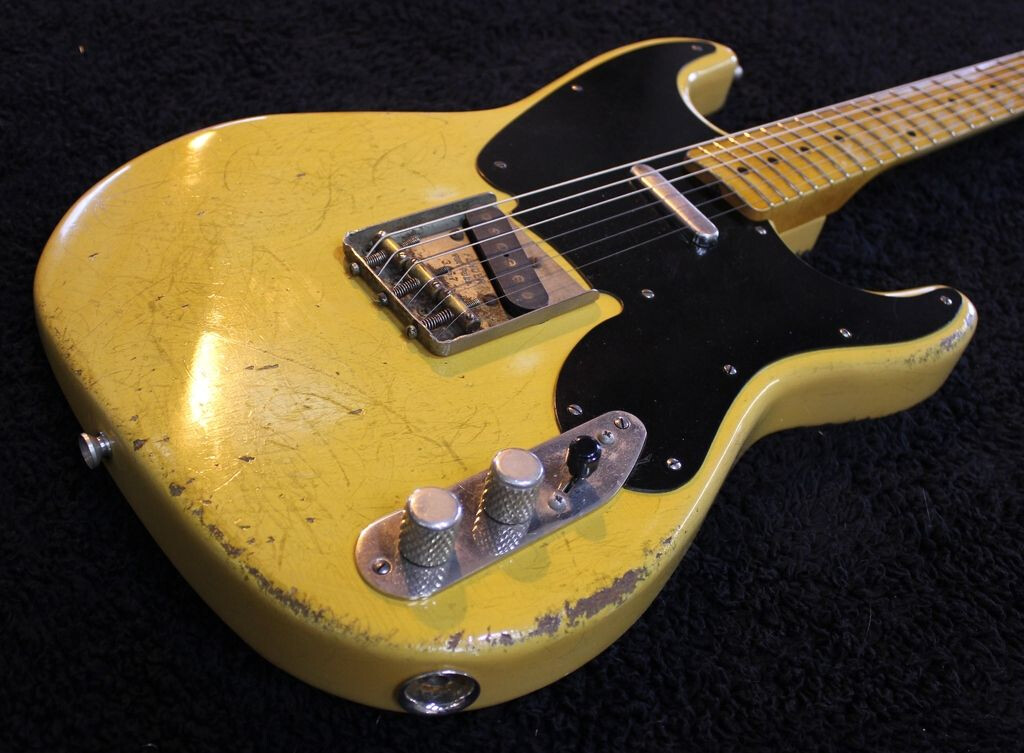
I bought the butter yellow Squier ‘51 in 2006 as it was all I could afford at the time. I instantly fell in love with how it played, the satin neck that didn’t thicken out near the body, the dumb controls. Anyway, always wanted to beef it up and here we are almost 20 years later.
The luthier at the shop I took it to was so excited and clearly passionate about making guitars come to life. I was initially there just for repairs but asked if he did upgrades too and away we went.
I haven’t researched pickups and parts for about 10 years so idk what’s good now. But he demonstrated the difference between a Lollar single coil (don’t remember the model off the top of my head) and the stock fender style in the ‘51. The difference in Attack speed was wild. And clarity and presence.
So we’re sealing up some hairline cracks at the neck plate, fixing a broken input jack and overall cleaning up the internals, putting in the Lollar, keeping the stock humbucker (for now), replacing the nut with bone, giving it a deep clean, giving it a proper setup, and throwing on strap locks and some 10s and 9s on the lows and highs respectively. Quoted under $400 for parts and labor.
the '51 is the only squier guitar that I’m aware of which the main fender company reclaimed and made into an official design as part of the pawn shop series.
I’m not advocating that you do any heavy modification to your guitar but when I was looking into butterscotch paintjobs I came across this pretty heavily modified '51 and I thought you might like to see the pic, I think they look good with a telecaster bridge. I’m a little iffy on “distressed” guitars but other than that it looks pretty good. I could even live with it as is although I’d probably opt for a bit less relic and maybe a real bakelite pickguard if I were going for the vintage approach.
I mentioned to the luthier that I love Jazzmaster sound and he said “lmk if you don’t like the Lollar and we can always route the body to fit a jm pickup in there. So I’m not afraid of any heavy modification.
That said there are plenty of dings on it from misuse over the years
I’m not a big fan of lollar pickups, they’re fine conventionally but they don’t have the tone I like which is more of a jazzmaster type sound. Lollar has a great grind tone though. I think the closest you can get to that oversized fender single coil clean tone without having a full sized JM pickup is the fralin alnico noiseless p90 humbucker (that is to say without routing for a jazzmaster pickup or p90 size). Alnico Noiseless P90 Humbucker - Designed by Lindy Fralin (fralinpickups.com)
I’m still thinking about getting one for my project guitar but I’m a little scared to modify my main guitar that much, not that I intend to sell it but a luthier built it to be a certain way and if I take a router to it that means that I don’t trust the luthier to build a guitar the way he sees fit. I would consider sending it to have one installed, but sometimes when they custom build a guitar they choose the body slab based on the pickup config they intend to install, that’s the big difference between an artisan luthier and a factory routing machine really, just the human experience and the knowledge to discern how to get to point b from a blank slate.
anyhow, this mike hermans demo is my “go to” video post when I talk about the fralin alnico noiseless p90, the humbucker has literally the same internals as the p90 just in a humbucker shell, I corresponded with them about it to confirm that they would sound identical and they said yes, the inside is identical.
i made myself a custom jazzmaster from warmoth part, and goes with engine pickups (pickup), was by far my favorite sound. But i have to admit after a little more than ten year later, i could consider a noiseless option, didn’t even know that exists, the p90 can be critics on some amp (but i’m ok now with a custom pro reverb 68 )
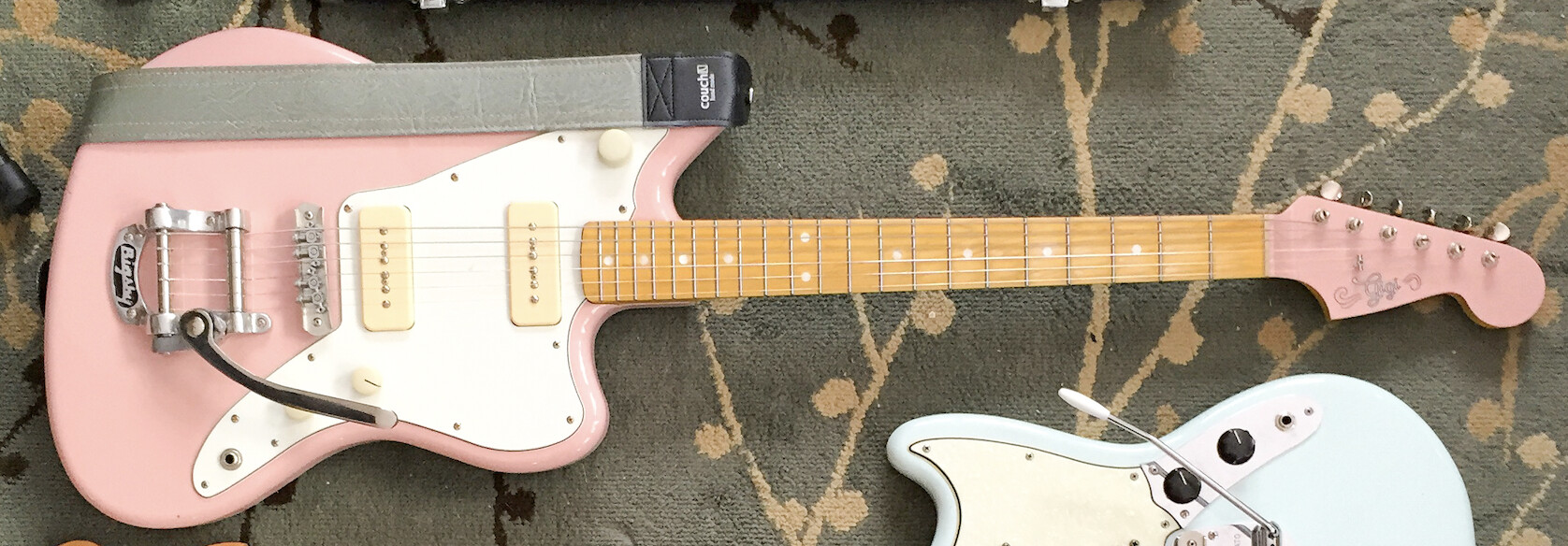
My favorite guitar is also a Warmoth custom that I parted together! I’m using Lindy Fralin P90s and a Bigsby vibrato, strung with flatwounds. If I had to do it all over again I’d probably retain the regular JM vibrato and go with Mastery parts, but I built it right before Mastery issued their excellent replacement vibrato. (I did eventually put the Mastery bridge in there)
This should be awesome clean sound
Mastery looks nice, i took the staytrem bridge (have some nightmare with a mustang one before) with fender tremolo and i’m happy like this. But i still have to figure how to lock my tremolo arm XD
Bigsby looks fun i’m still thinking of a setup like a short gretch with some mahogany i have, bigsby and filtertron.
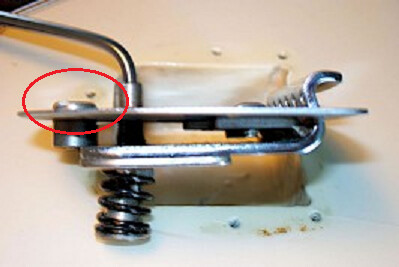
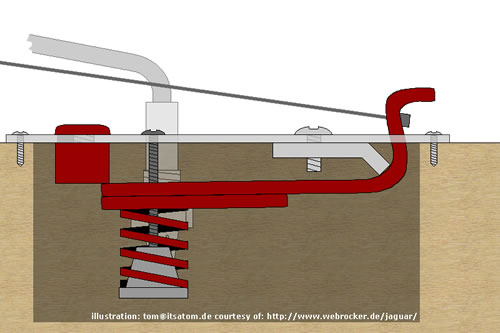
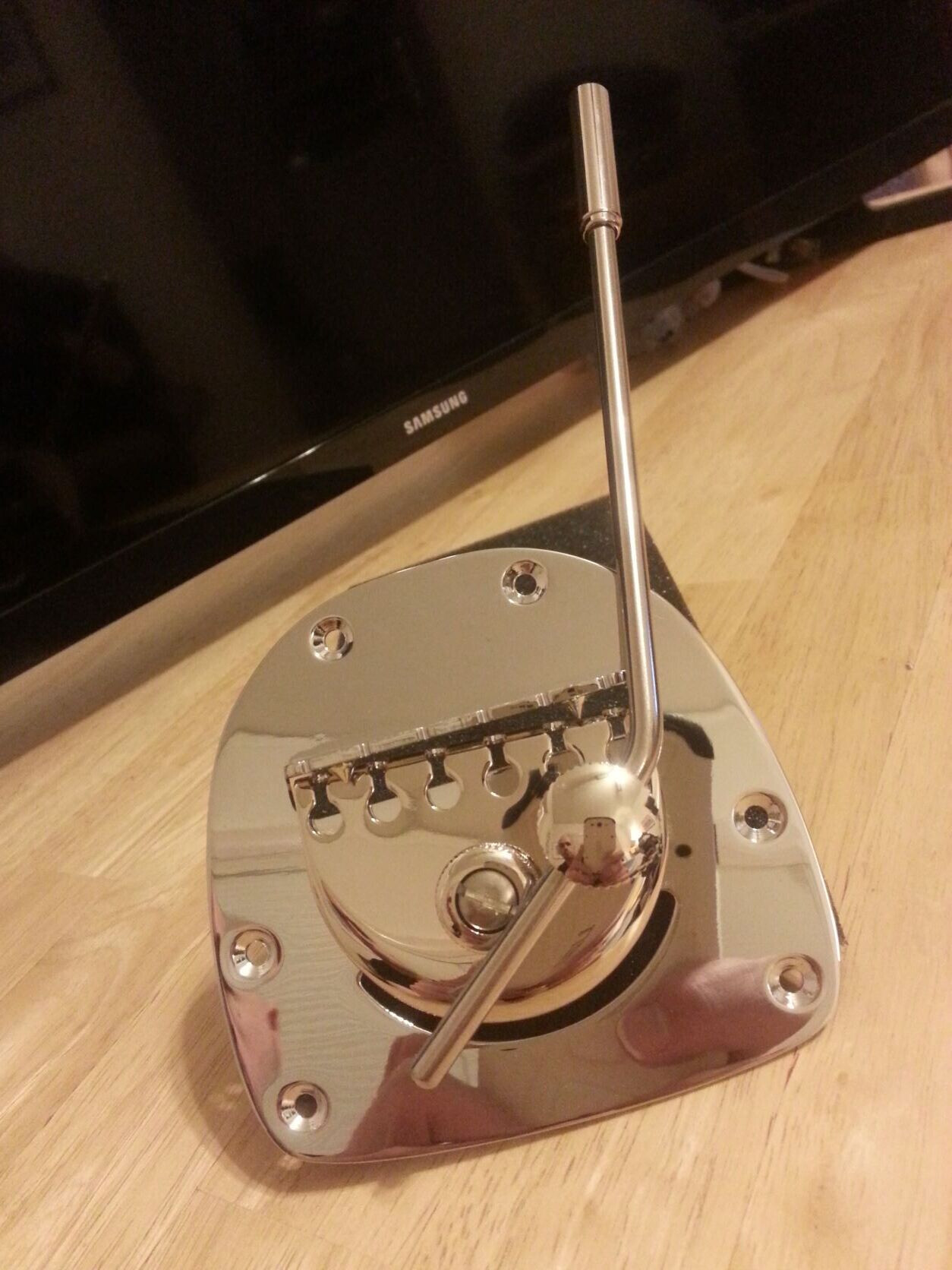
I think I posted a pic of it before but I got one of these goeldo JM style trems for my project guitar (which is not a jazzmaster) but I considered the mastery and the descendant as well, I just liked how it was a little unique from the bunch, had pretty good reviews and I knew I wasn’t going to use it heavily. Plus it only requires a small round 1" diameter hole to clear the spring carrier so I don’t have to route for a full JM unit.
Also, more opinions about my preference for fralins but I like the sound of the fralin noiseless jazzmaster pickups, here’s a random demo I watched at some point.
I’m a big fan of aged surf green and burgundy mist metallic if have to be choosy.
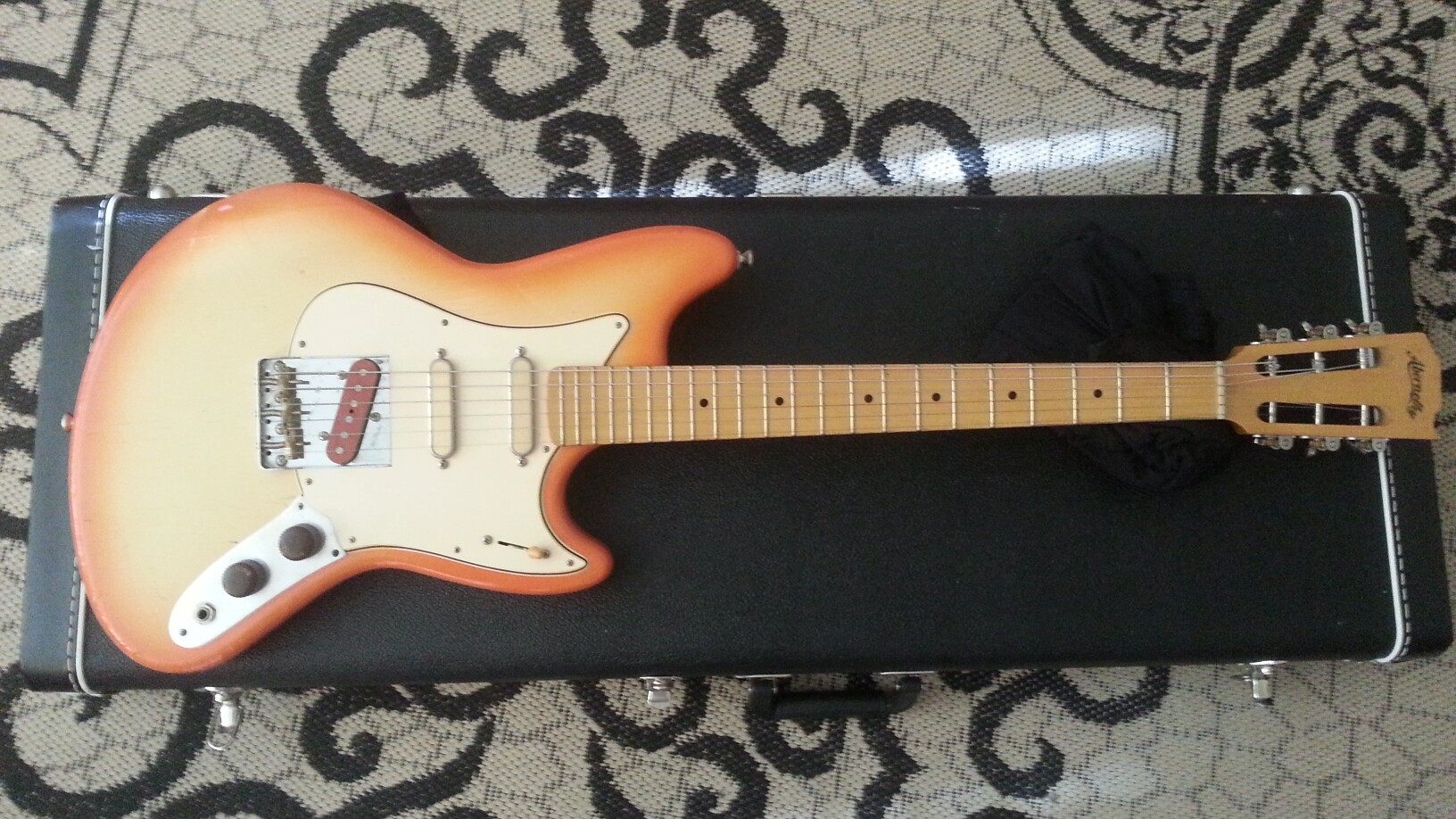
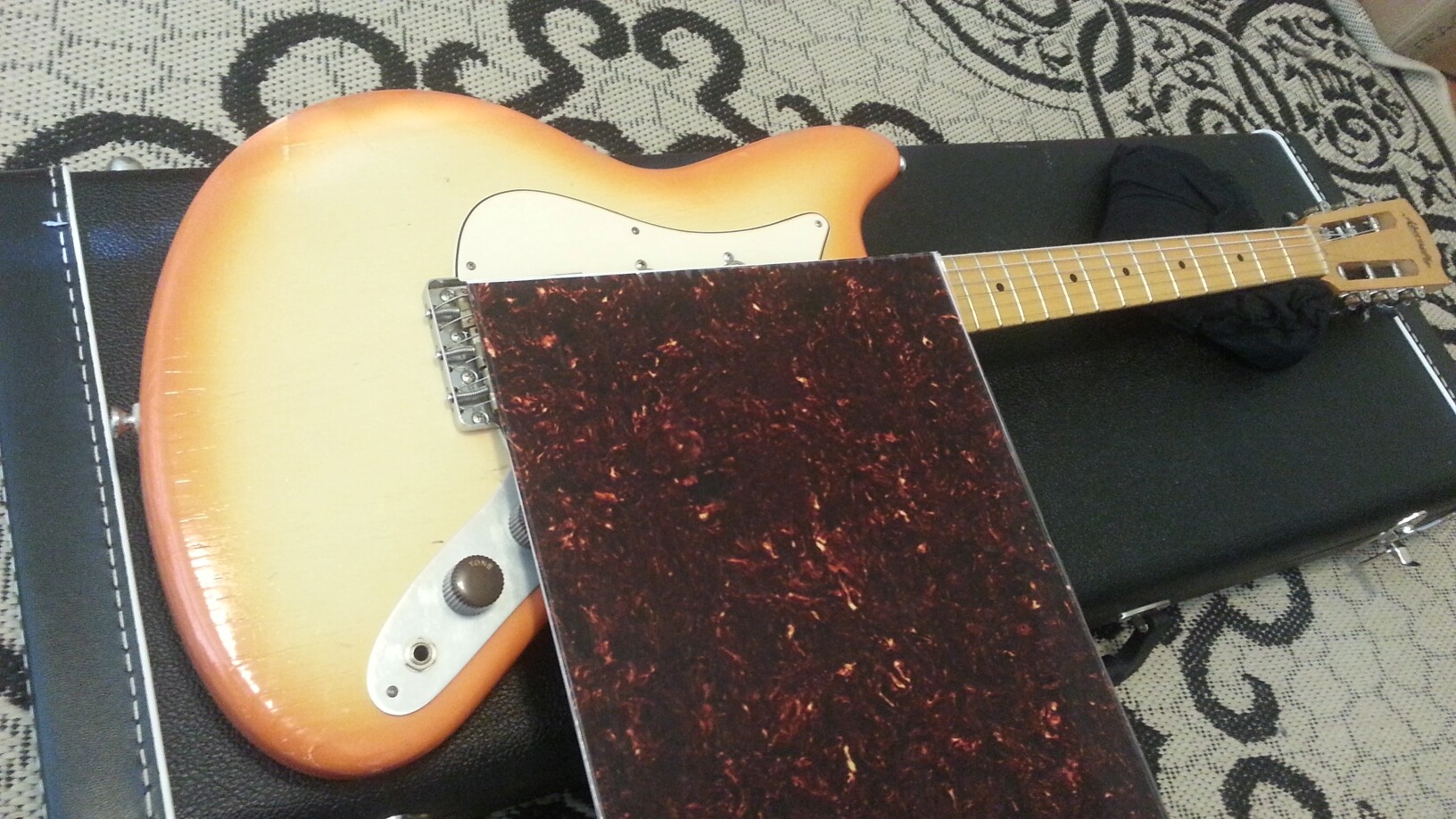
pondering (at length) the merits of making a tortoise shell guard for my guitar
I’ll apologize in advance for my ancient camera and objectively offensive photography skills.
I really like the look of tortoise shell shell pickguards, especially the genuine vintage cellulose ones like fender and other companies used to use, particularly the material they used in the early 60’s. I started with a mint pickguard on my burgundy mist jazzmaster which I ended up changed out for an OG tortoise shell cellulose guard and it looked so tacky it was amazing. Anyways, I like the spitfire (manufacturer) pickguards a LOT but he raised his prices even higher than his previously outrageous rates and I’m not financially stable enough or desperate enough to pay well over $300 and wait a year for a custom order aged tortoise shell pickguard (or am I? no, I am definitely not. Not enough money, not high enough of a priority.)
So I was thinking about making my own tortoise pickguard for my guitar because I can almost guarantee having the luthier who built my guitar make me a tortoise shell pickguard will cost nearly as much as much as buying one from spitfire and take probably the same amount of time so that totally defeats the purpose other than having the knowledge the guitar is all built by the same individual. I’ve made a custom pickguard before for another guitar so I think I can do it, I even did the vintage 60 degree bevel (by hand) and it came out nice, but with this one I don’t know if I’d go for the extreme vintage wide beveled edge.
So it boils down to that all I could really afford right now was a few tools to make pickguard construction easier, and a sheet of the photo-tortoise that they use on modern fender, etc. I’ve been working on an original design pickguard for my project guitar and I’m on about the third incarnation so I’m more confident at this point in my pickguard fabrication skills, the tortoise was going to go on that but I also bought a 3 ply sheet in mint green and I think I’m going to use that one for the other guitar, so now I’m left with this tortoise sheet which is not presently spoken for.
I’m wondering if I’m just overthinking things here and fetishizing the admittedly tacky appearance of TS. I do feel like the contrast between dark pickguards and light finishes, or in this case tortoise shell and the creamsicle danelectro style pastel copperburst-esque finish on my guitar, might look awesome but I don’t know if ultimately I’ll think “this photo tortoise looks cheap, I wish I had just coughed up the money I can’t afford to spend” and then in disgust go back to my original (current) cream-colored guard. It would equate to a large expenditure of time and effort, and also taking apart my perfectly set up guitar to make it a reality and if you’ve ever disassembled a guitar you probably know that upon reassembly adjustments are sometimes necessary.
Really, the cream guard looks fine, I don’t have any dislike or distaste for it, but it’s just like damn I really like tortoise shell guards [nervous laughter]
As I’ve already been a fan of tortoise pickguards for the last 30 years since owning my first guitar, opinions about how TS is tacky probably won’t help change my mind, but your opinions about whether this body color would look better with a darker or lighter pickguard scheme would surely be welcome
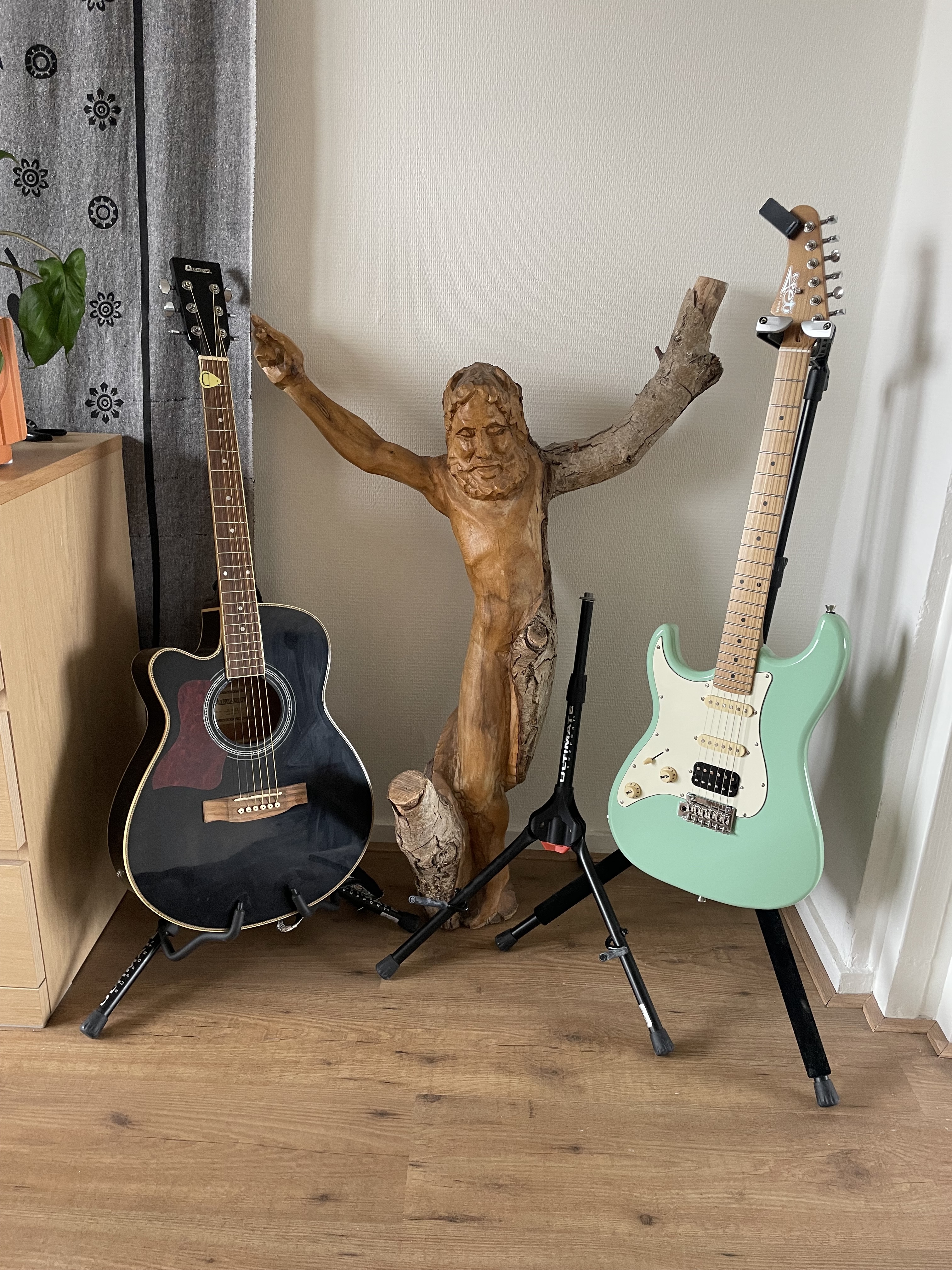
The acoustic version is a Dimavery … and the electric one a Jet JS-400.
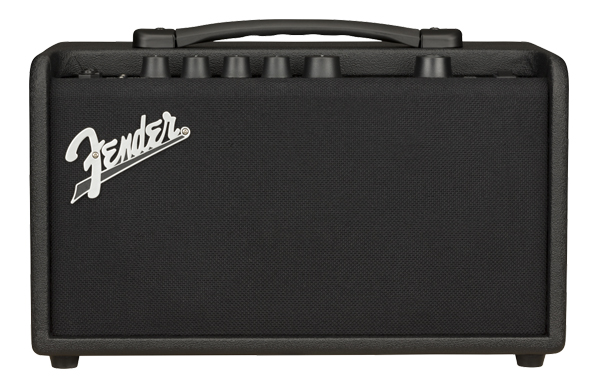
A Fender Mustang LT40S should arrive Wednesday to fill the empty spot.
I was told it being a great practice amp for beginners at around 200,-. The guitars where cheap to around 200,- each.
I’m not normally a fan of TS pickguards, despite loving a lot of tacky guitar aesthetics. I do actually like the look of that material set up against that guitar in that photo. It can be hard to say whether or not it will look as good once it’s actually cut and on the guitar, but if you already have the materials, and tools, and have done it before kinda seems like it would be worth it to just go for it and see.

 i’m still thinking of a setup like a short gretch with some mahogany i have, bigsby and filtertron.
 no, I am definitely not. Not enough money, not high enough of a priority.)