Wow, really? It seems I jumped to conclusions before doing proper research. Sorry about that, was just trying to bring facts to the table but should have investigated more.
That’s a surprise, and a shame. It’s been years since I sold my MD and MnM, but didn’t they have hard plastic knobs? Maybe there was a difference between mk1 and mk2s? Mine were both mk1s.
I’ve now checked my Syntakt e25, OTmk1 and OTmk2, and they all look like overmoulded rubber, but I can’t be 100% sure they don’t have any extra coating.
Yeah MKI MnM and MD had plastic knobs, MkII rubber. I luckily found 2 sets of MkI knobs online to put on my MkII units, but this is not realistic for most. I don’t think its documented anywhere but I figure they switched to rubber knobs on the Mk2 units, presumably sometime after the Octatrack MkI release?
Anyways, My sticky MnM knobs look just like yours on the bottom in terms of fabrication. So I think its more of a question of “when” not “if” the newer knobs will get sticky given reports that the Rytm and Four MKIs have been going bad in the past several years. As many have pointed it, there seems to be a lot of variables that play into when/why the knobs get sticky, oil chemistry, air content, etc.
The original buttons remain in perfect condition if you don’t expose them to time.
I’m just happy they’ve finally acknowledged this as an issue. Shame they’re sticking with lint rollers by default though. Hopefully the third set’s the last I’ll need to buy for the digitone.
I do keep a decksaver on my Syntakt but it also gets used nearly daily. My buttons did get pretty gross!
Okinawa is pretty humid and warm most of the year.
I wonder if even in my situation had it always been uncovered would they have melted the same or not.
It’s interesting. Frustrating, but interesting. There’s a lot of factors and people who report different situations and it doesn’t seem to be quite consistent thanks to these variables.
At least it sounds like Elektron is very aware of it and starting to address it even a bit.
I am not sure this is the full story, i have a midi controller thats never been in storage, always out in an open room and its mod and pitch bend wheels are now stick city.
I do think there is some weight to things being in airtight storage. My memory gets a bit hazy but I think i had my OTmk2 packaged up in a cupboard for a while and when i got it out i noticed some buttons had started to stick.
I have other stuff thats always been out and gone sticky too, its just inevitable given the material, but maybe storage quickens the process.
Glad to see there will be alternatives available. I kinda cringe internally when i see gear advertising “premium feel soft touch controls” now.
because OT mk1 has ‘clicky’ buttons, the famous issue many jumped on to criticise, that are plastic to an extend you barerely damage them, they are somewhat robust and have no coating at all. And by the way for even more kitchen grade feel you can exchange the wheels with those from a waldorf blofeld. They just fit snuggly and are made of stainless steel, no glue issue to be expected…
Interesting indeed, never linked the desksaver impact. I also have this issue (on A4 mk2 and Rytm mk2) and I have them constantly covered with the plastic desksaver. Hmm. But I think it is indeed a combination of different factors (including time unfortunately). The rubber feet on my turntable were never covered and are always in a ‘good’ conditioned place and they are also sticky as hell. So, in the end, it always comes down to the material itself.
The knobs, not the buttons. Someone said their Monomachine knobs became sticky. The Octa, Rytm and A4 Mk1 knobs are rubbery, no idea what exactly that is, but feels nice and soft. They’ve been around for a while and sometimes you can see how they have worn down from usage over the years on photos, but otherwise they are fine.
If that stuff doesn’t break down (or not as fast as the button coating) why can’t they coat buttons with it? Maybe it’s not transparent enough for the leds to shine through and they wanted buttons with integrated leds.
Question for anyone at Elektron:
Why use rubberized knobs and buttons when this coating is known to degrade and turn sticky over time? Curious about the design choice.
Tip + question for the community:
My Korg Monologue knobs became sticky after years of use.
I fixed it by:
• dish soap
• warm water
• kitchen scouring pad
• light scrubbing to remove the degraded rubber layer
Result: sticky coating gone, bare plastic underneath looks brand new.
Has anyone tried this on Elektron keycaps?
If you have sticky keycaps, YOU GOT NOTHING TO LOSE , you should try the scouring pad method.
Share your experience .
Sharing in case it helps others… quick, cheap, and effective.
Elektron does not post here on the user forum except to announce products and updates. Your question is a good one but nobody from elektron will be here to answer it.
Similar to your method:
Please read the rest of this topic if you’re interested in learning more, as all of the information is mostly already collected and available here.
After scrubbing off the degraded rubber coating, you could actually refinish the caps completely:
Simple DIY refresh method:
• scrub off the sticky coating
• apply mini number decals/stickers
• spray or paint the keycaps in your preferred color
• let dry
• peel off the decals
Result → clean numbers + fresh paint = like-new keycaps
Could be a cheap and fun way to customize or restore …
I tried restoring them one by one, but it didn’t really work. Hot water + cloth, vinegar + cloth… nothing was perfect. It does soften things and reduce the sticky feel, but the result is never 100% clean (!) In the end, I decided to just buy a brand-new set from Elektron.
I bought new rytm keycaps around 9 months ago. It’s been sitting on my desk, no decksaver, and already going sticky again. Hot and humid climate might be doing it?
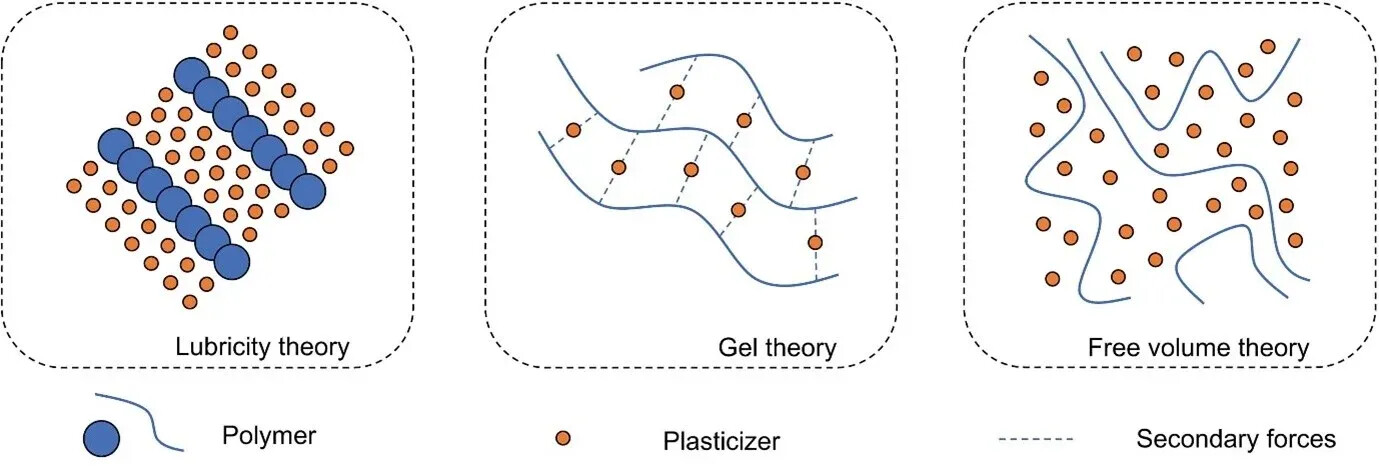
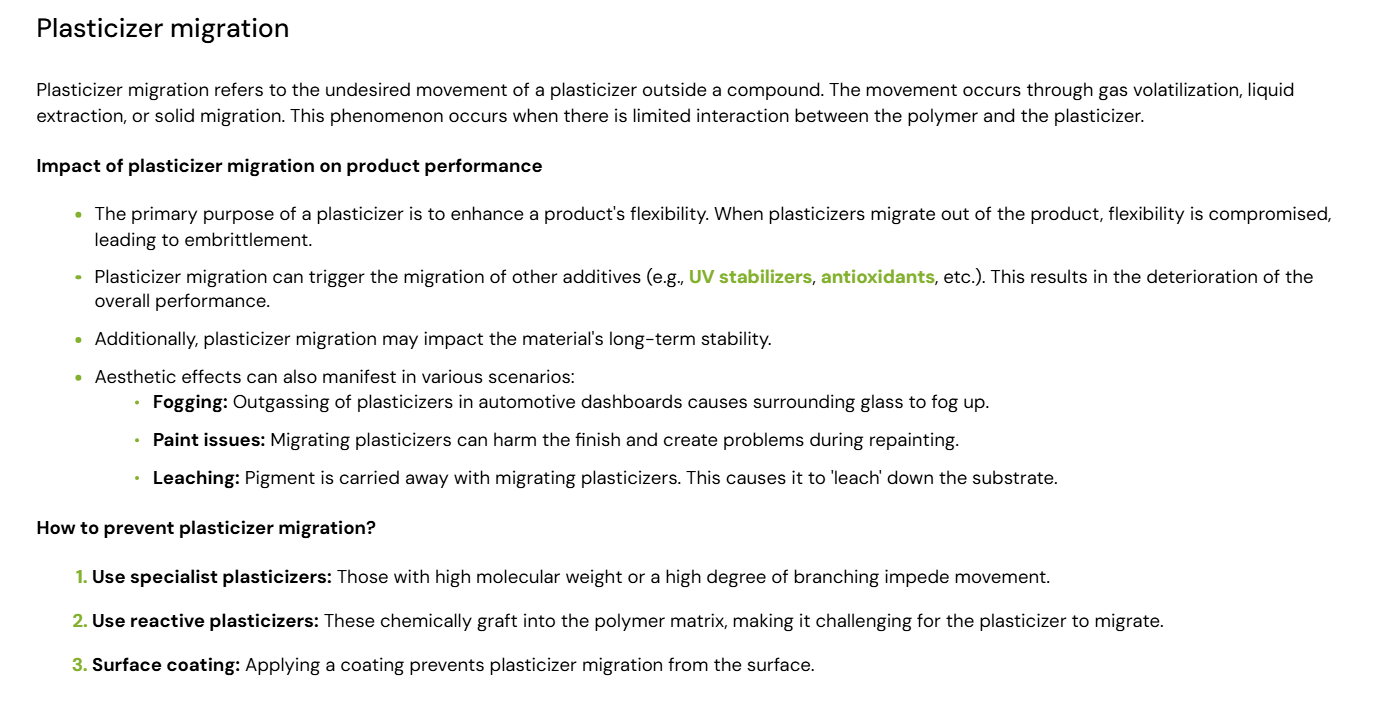
From what I’ve read and tried to explain somewhere above, there is a reason contained in the actual chemistry of soft touch plastics which inherently leads back to the plasticizers leaching back out over time. Other factors just speed it up, but to create the “soft touch” the resulting weak polymer chains prevent some of the material from having strong bonds on a molecular level.
The same plasticizers which create the soft touch, also create the sticky mess when subjected to time and environmental influences.
 , you should try the scouring pad method.
 .
.

 It does soften things and reduce the sticky feel, but the result is never 100% clean (!) In the end, I decided to just buy a brand-new set from Elektron.