[quote=“” dimi3""]
Not sure but couldn’t the DSP route a sin wave to the oscillators?
Is my thinking plain wrong? a PipeDream? or Stupid thought?
[/quote]
Yes, a digital control could look up sine wave values and control a voltage level. Or an analog sine wave oscillator could be made. But both of those methods involve extra complexity for the manufacturer compared with generating voltage ramps or switches between two levels, while any of the other methods listed in the thread can produce a sine without additional components or control features.
Been trying out some of the tips here, found the ideal for DnB sub-bass to layer your sounds:
2x pulse waves (with OSC 1 tuned & detuned to -64, OSC 2 tuned to 0 and detuned to -64 with a 20 cent sub OSC)
Both are filtered pretty low, but high levels of resonance in both filters, filter 2 being in -12dB mode and envelopes to taste
Had a problem for a while where the lowest notes would cut off and would take the bass sometime to recover. After much searching turns out it was having a -10 cent sub. Might be beating or phasing I have no idea, but that sorted it.
Having a -20 cent sub might be in the infrasonic range, but it moves a hell of a lot of air!
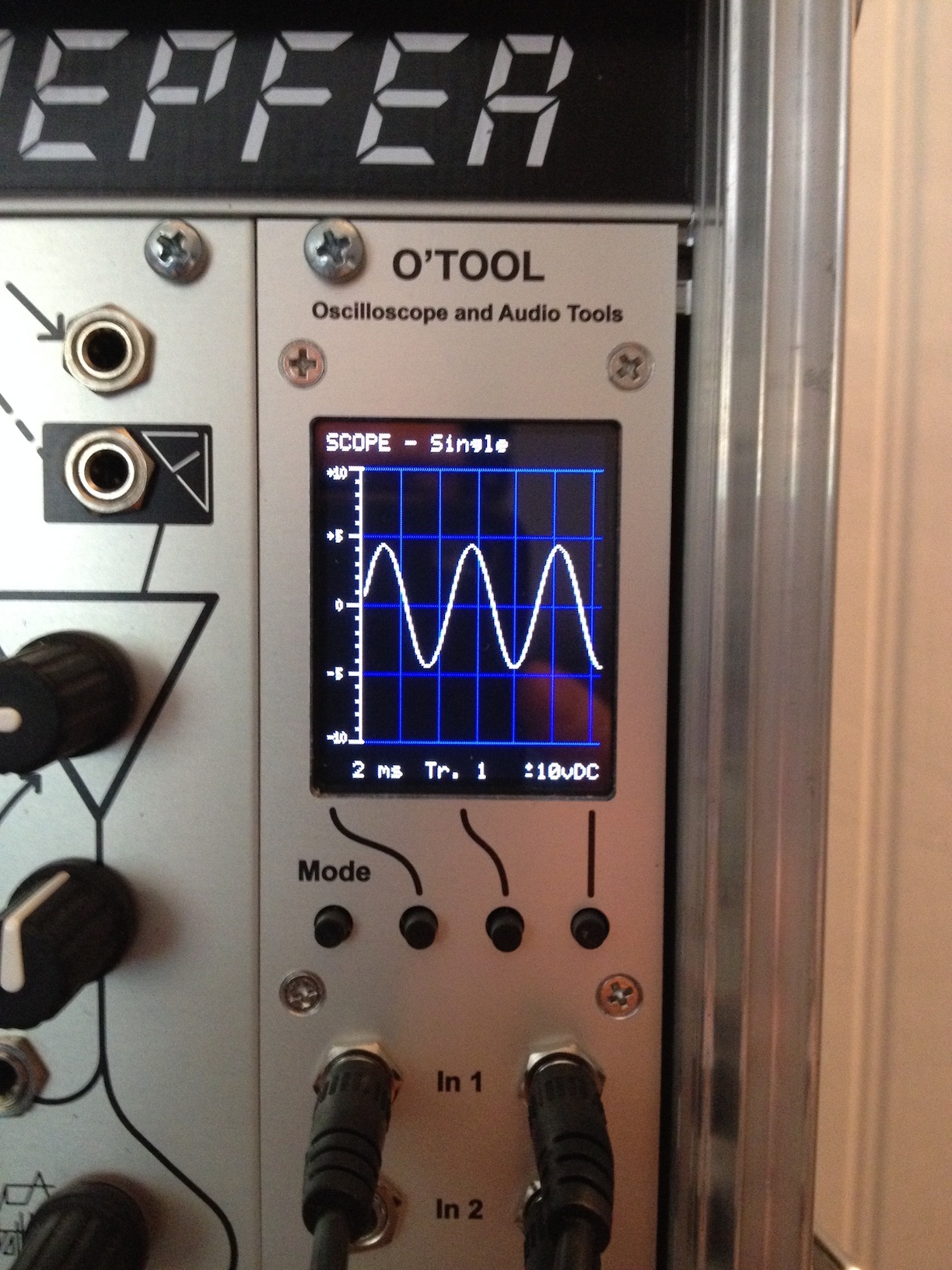
You lose quite a bit of gain as you trim the cutoff. But I guess this is down to the kind of low pass filter that you use. Sines made like this are perfect for sub basses. They just need to be tuned nice and low
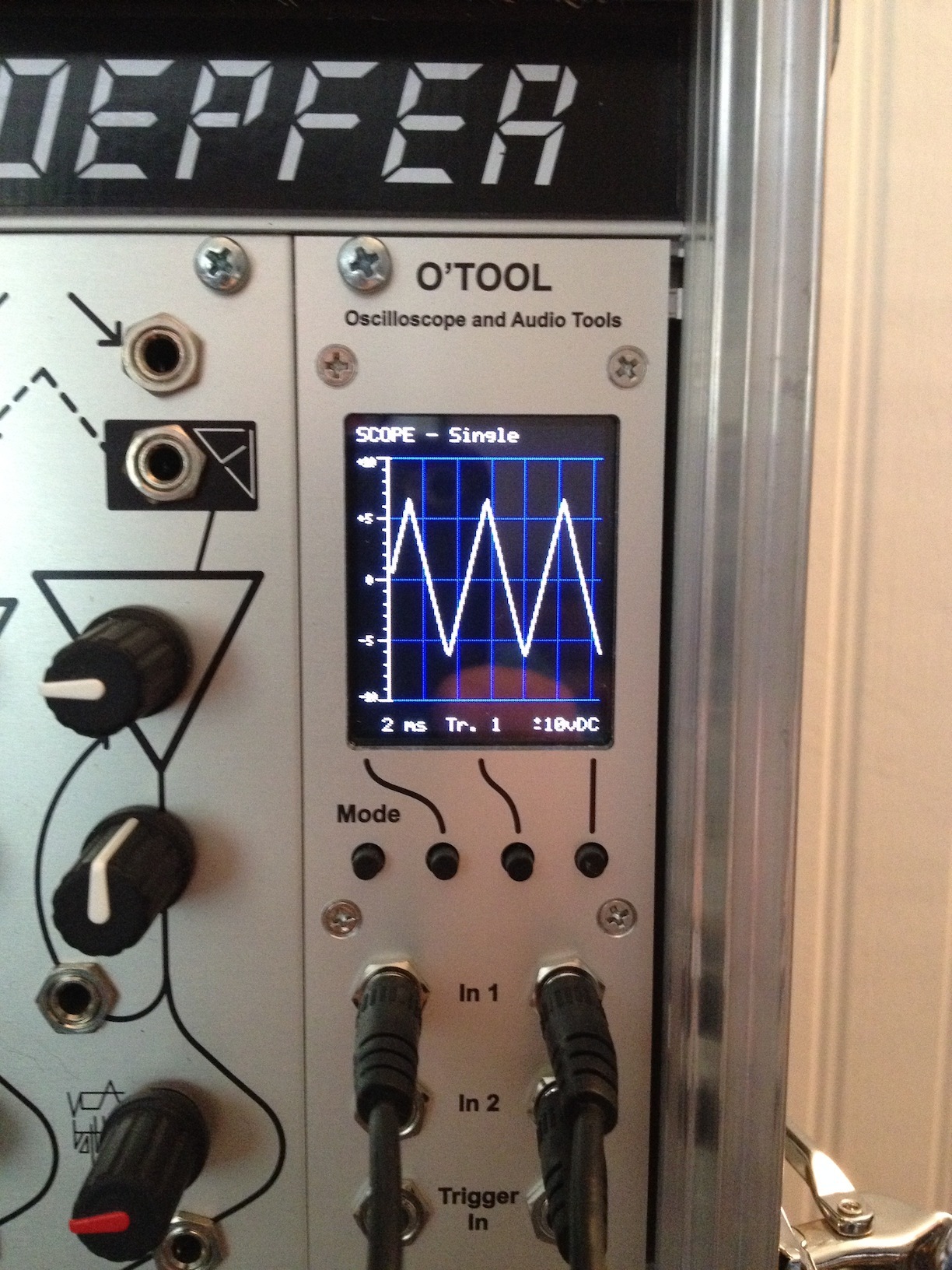
The gain loss is all according to plan (aka Fourier’s theories) - as you decrease the cutoff, you are filtering out the higher harmonics of the triangle wave, and therefore the amplitude of the signal is decreased.
Concerning the bass thing: Try the Multimode-Filter in Peak mode with a keytracking of 100% and find a sweet spot in the bass. Afterwards a bit of overdrive can make the sound even thicker. Filtering out most of the overtones with the 4 pole in advance gives very strong sub basses.
Keytracking at around 32 is closest to matching the filter tracking to the keyboard. At 64 the filter frequency will change faster than the note (don’t know the correct terminology).
On the A4, a parameter value of 32 will give you 1:1 or “100%” keytracking where going up or down one octave on the keyboard will also make the cutoff frequency go up or down one octave. This is the setting you need if you want to tune the self-oscillation of the cutoff point to the notes you’re playing on the keyboard.
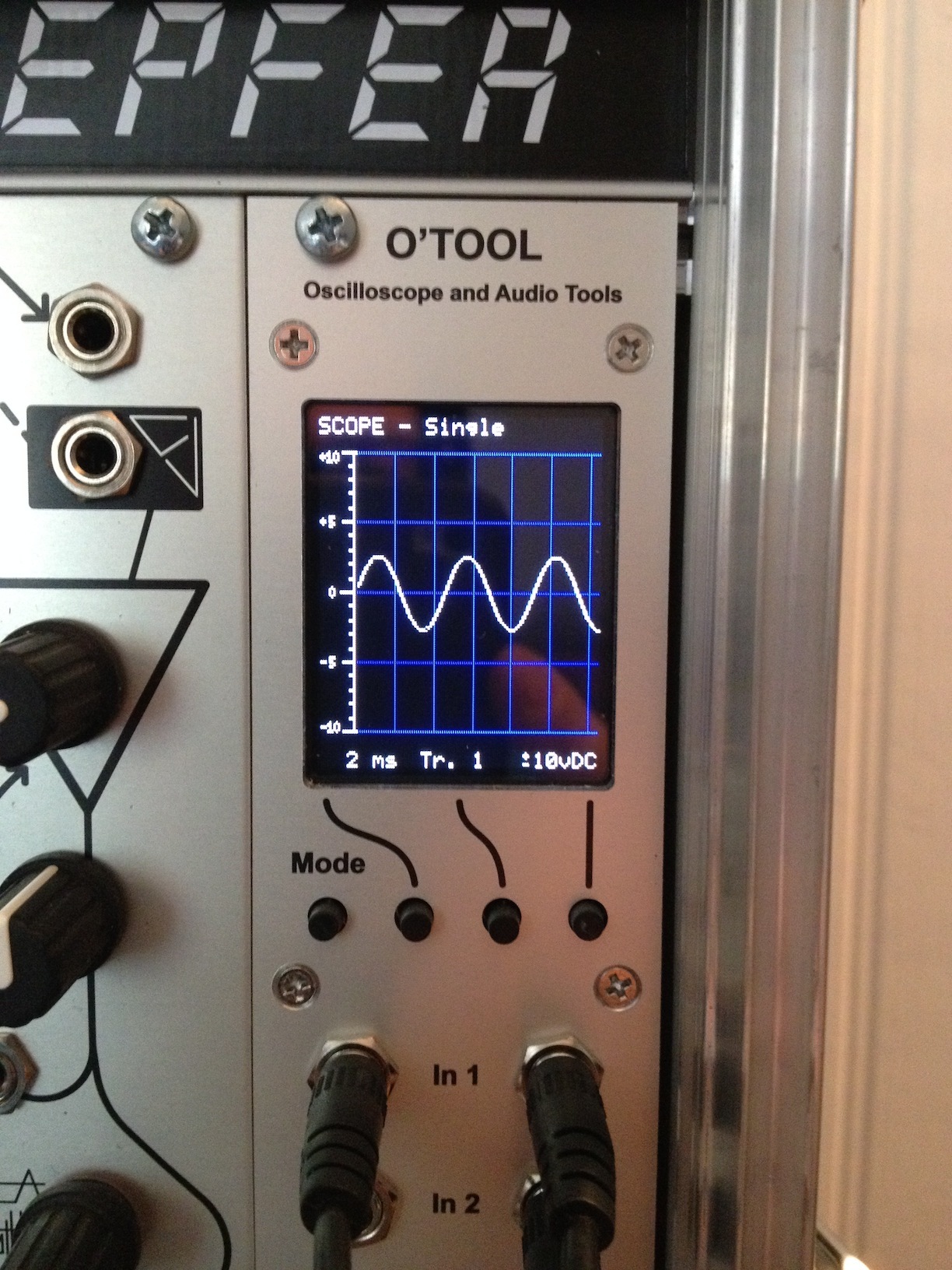
very nice, when I did my “sine-like” patches with filters, I used an oscilloscope to create one with sub 1 octave down and one with sub 2 octaves down…that’s the only issue going the self-oscillating filter route, you can’t just pick a logical number on the filter cutoff, you have to tune it
Yeah that O’Tool scope is a great module. Really handy for tuning patches. Has several different modes. One is like a guitar tuner. It displays note values, frequency (Hz) and Voltage for any incoming signal. Has two inputs so you can track two oscillators at once. Plus it looks cool
i guess it would be really easy for elektron to put an extra digital sine wave osc. as far as i remember noise is digital, and there is pleanty of free space on that page to have a sine wave too
maybe one more thing for a next update whishlist?
best
niko