Thank you all so much for the advice, tips and anecdotes. They have inspired me and given me the confidence to take a new approach to planning and performing a live set, Merry Christmas all!
4 Likes
Lot of good advice in this thread already. I suggest jamming / recording, rinse, repeat. Over and over.
One other thing- think about describing your set in words. How would you describe it to another musician? If you can’t do that first, I would sit down and write out some adjectives on how you want the set to sound and feel. That will help keep you focused moving forward, almost like a signpost to follow.
3 Likes
Plenty of good stuff here already, especially the tips for right before ans during the gig + prep your own cables are pure gold.
Also the tips for training the set are very good! Train your set, get the first track and transition like you’ve done it a million times and relax for the remaing set.
What I think is missing are a few tips on how to build you life set. Here we go:
- establish standard song setups, like have certain elements always in the same spot. As an OT user my kick is always on Track 1 unless I bring a drum machine then the drum machine is on Track 1. Any external synth is on Track 7. Atoms and vocals always on 6, 2-4 more drums. Keep it tidy and always stick with it.
- right before you pack everything, or after your last training session go one more time through each song and return everything to the state you want it to start in. Transition into the next song while stuff is all over the place is no fun during a live situation.
- externalize your memory: write down the order in which you want to play each song, add special notes, settings, mutes whatever helps. Keep it brief
Now let’s go back even further. You mention you think a lot about the actual set. That’s good and at the same time hindering.
I plan a lot too, but worked out a few steps to streamline my ideas and inspiration.
-
Creative: What genre and style do I want to create a set for? Tempo, mood, maybe other artists.
Say I want an Oscar Mulero style techno set, with an dark ambient intro at 136bpm. -
Technically: From there you can start thinking about gear ( the best part
 ). How many instruments do you want to bring in the first place? How sophisticated do you want to get? Dark trinity? One drum machine and a synth? Pedals? What instruments do you need to meet your creative idea for that set. Think about cables and connections.
 -
Plan a progression. How will the set be? How long are songs I’m that genre typically? A DJ set may be around 20 songs per hour, as a live act you an plan for around 12 songs per hour, so roughly 5 minutes of material per song.
If you want get very specific about the Playlist.
Intro, a few easier tracks to set the mood and draw people into your sound, once they’re hooked slam a few bangers, now easier again, build up to a few bangers, then go completely nuts and finally, gently return your audience back to planet earth with a warm and soothing outro.
Imagine the journey you want your audience to make. Bring in different emotions.
- Now it’s time to actually build the songs, make patches write melodies, sample, create drum kits and so on.
Last test run your set, tweak, have a timer or any sort of timely orientation- it’s so easy to get lost!
So, that’s by no means the perfect way to do things, but for me that’s how things came along naturally after a few rounds of head scratching and figuring out how to build a cohesive live set with songs that make sense together.
3 Likes
Great post. Good plan. This is almost exactly what I did for the birthday show I talked about above.
Fleshing out a small bit…
I followed roughly this pattern too, by chance. But I didn’t compose them in this order. I took a few evenings to come up with sketches, without any goal other than “make something”… and just went with whim and mood for each session. I got about 25-30 sketches done like this and then trimmed it down to the best few, and then put them in order. I even reworked the order whilst I fleshed out other details (breakdowns, transitions, fx, levels etc).
If I had tried to do the initial “composition” phase in the same order that I hoped the set would go, I’d have made nothing because I’d have got stressed about trying to make bangers (or gentle tracks, etc) when I wasn’t in the mood.
2 Likes
Live is a different animal, you can treat it as such if you want.
Makes me think about how much I enjoy the imperfections that a live performance or even a recording capture.
There’s something special about mistakes
2 Likes
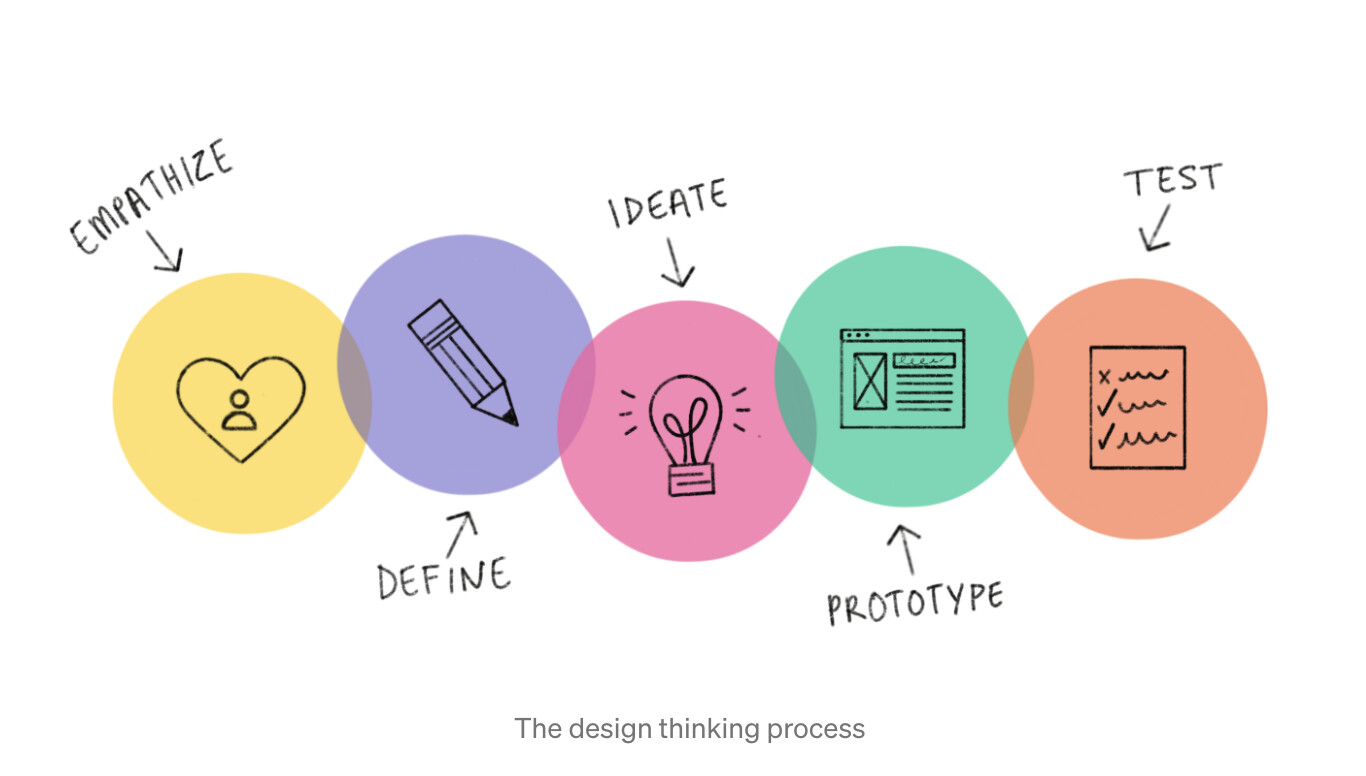
it’s called iterative working, the process repeats itself, or if you want to you can jump to any phase you want to… but always test and redo! The basis of this desigh thinking process (a specific iterative process) is that reality is too complex to create something that works in the ‘real world’. It is important to connect to the reality, understand it, create ideas, prototype and test.
it is very common in all creation processes.
3 Likes
Thanks for sharing that. As a career programmer (creative) I recognise the process, but I was really asking @Suspect_Frequency for his experience of using the particular process he described.
1 Like
I switched from playing preplanned livesets to fully freestyle sets on the Digitakt. It took about 2 years of practice and it’s still a bit risky. But it’s way more fun for me because i’m playing music that i haven’t heard before. Of course it gets easier when you have 1 or 2 bandmates on stage. And more interesting. But whatever. That’s just my conclusion of trying to find a way how to perform my music live.
And it’s always trial and error, no matter how much you preplan the set. It might work at home but when you play live in front of people it’s a different feeling. So i say don’t overthink and just hit the stage. You learn so much more during one live gig than hours of practicing at home (which is also important).
In the end it all comes down to having fun for me. I’m doing this because it feels good to tweak around knobs and create music on stage. When i had my planned liveset i was just standing there trying to remember all the changes i had to make. It wasn’t fun at all.
But maybe you could preplan some stuff and leave space for jamming around with an element of the song or something.
5 Likes
it is only when you stop making plans and start trying out your ideas that you’ll find out what works and feels comfortable for you.
Go record your jam and then listen to it later from the perspective of “what if I did this live”. If you want to go a bit farther into practicing the performance, get onto twitch and live stream it. Nobody will likely be watching but it’s great mental trick to get into “performance mode” while the camera is running.
Then iterate, iterate, iterate. Listen to it, make notes, implement the new ideas, try it again.
Also definitely if you book a gig in a few months out, nothing better to force inspiration than a deadline.
6 Likes
The main advice I can give is: don’t be like me and spend all your time thinking about your setup instead of making things with your setup :P. Accept limitations and explore the spaces formed by them.
3 Likes
Exactly what I do  Make 1 pattern “songs”, take the favorites, flesh them out and then I figure out the order.
I agree that one can have a rough idea about the final Playlist, but you’ll be much faster and actuality get something done when you have material to work with.
1 Like
It was the same for me. My first livesets were totally written and that was no fun. I played them with SP404 and MP500, very static. Then I moved to an Octatrack and made things more wild but with a lot of live sampling and a structure to follow (for example : at this time of the set, I resample all the first 7 tracks to do a downmix on track 8). That was more interesting but very stressing for me. If I made only one mistake in my live sampling process, I could ended up with no sound at all…
Now, I do something very free with an easy to use live set up (still live sampling with OT but way more intuitive). The weeks before, I just jam a lot to see what kind of moves/patterns/tricks work in live situation.
The best lives I made were with this way of making music. And for me it’s very exciting because there’s a lot of surprises.
2 Likes
I haven’t been on stage for quite some time, but I’m currently working on getting some stuff ready for next year, worked on it during past six months.
What I find is that my perception of time is different while playing then when I’m listening to the recording. If I dragged a section too long, it will imediately be obvious when I listen back to the recording. Messed up transitions, everything that’s just not quite there will become obvious.
Even better is playing it to other people and listen together. Then take notes what you’d want to change and how you’d want it to change and try again.
2 Likes
There’s one thing i want to add. I can’t remember how many times i went to a party and the DJ or liveact played a mediocre liveset at best. And most of the times the people didn’t care too much and danced along without a problem. It was harder for me to enjoy it sometimes because i’m a musician. But in the end i mostly had a good time even if the performance wasn’t the greatest ever.
I know i’m not happy when i play a mediocre set myself but that’s just my inner critic. All in all I think we shouldn’t be too hard on ourselves. Just remember some of the most famous punk bands or techno acts started with a very limited setup and just transported some kind of energy onto the crowd. Skills are important but good energy even more imo.
5 Likes
So much invaluable advice and brilliant tips, massive thank you everyone. Just a quick one whilst I have your attention, what’s the best sample rate and bit-depth when exporting samples from Ableton into the Octatrack for looping?
1 Like
OT plays at 44,1 khz, 16 Bit and 24 Bit. I always render files for my OT at 44,1 khz in 24 Bit.
2 Likes
I try to use “songs” as rough ideas of what to do, it doesn’t matter if nothing ever sounds the same, personally I think artists who take a unique approach to each performance to be better. I’ve had all kind of mistakes happen at live shows with bands and trust me, no one really cares, you’d be surprised how many you can recover from with ease.
2 Likes