Thought it might be worth having a thread for great articles found in the muzines.co.uk archive (if there are any other readers here, I hope there are). Sometimes it’s a real surprise what you find just by browsing random issue contents.
I’ll start with this one that I came across today. Some very thought-provoking points being put forward in this 33 year old piece. I wonder what the writer makes of the state of present-day technology and whether it has addressed all of his wishes/criticisms?
Two series written by the very knowledgable Ben Duncan, on studio basics that turn out to be quite complicated (grounding and signal connections). The other articles in the series are linked in each page respectively and it’s worth reading them all:
Today we learn why studio techicians groaned when MIDI was standardised to use a DIN connector, and, without a single mention of MIDI, also find out why the pins are numbered 1,4,2,5,3:
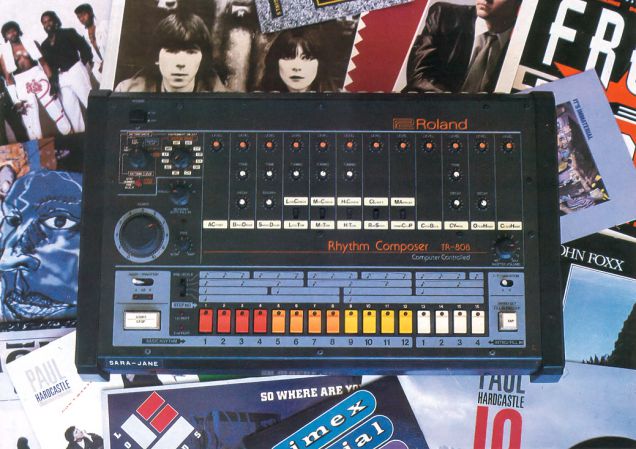
Today we transport ourselves back to 1986, looking at the TR-808 as an ‘obsolete’ yet still unfathomably popular drum machine and pondering on its enduring appeal:
Bonus game: how many albums can you name from the main photo?
An article from the intriguingly named ‘Wilf Smarties’:
The ability of such programs to precisely define a groove of ever-increasing complexity and precision tempts the user to over-develop a small fragment of music, rather than broadly paint in a whole song. I feel this is one reason why popular music, especially dance music, has moved so far away from the traditional song format in recent years. Is it a case of not being able to see the music for the events?
The above quote makes me think a similar observation is applicable to modern production, where people tend to obsess about over-polishing the sound to the detriment of making interesting music… Perhaps now we can’t hear the music for the sound of it?
i found this one to be a bit funny to read given the state of modern computers…
LET ME BEGIN this review by stating three facts. Fact one: I don’t like IBM-type PCs any more. I lost interest in the IBM PC-class machines over a year ago when it became apparent that OS/2 might actually be a real operating system. If it succeeded it meant that I might be forced - for the sake of future compatibility - to abandon my Compaq and PC XT with their combined 38Megs of information. To be honest, I also got tired of IBM tugging my lead, as it were, when it came to “Big Blue’s” idea of standards. I just didn’t feel like being at IBM’s beck and call regarding my private computer parts. So I decided I’d keep my XT and Compaq as they were and move on to something that wouldn’t force me to choose between OS/2 and MS-DOS or PSs and PCs. The release of the Macintosh II from Apple convinced me that the Mac was a system suited perfectly to my musical and literary pursuits.
Fact two: I’m not the most ardent Yamaha fan. I could never separate DXs from TXs from RXs from T Rexs, and every piece of the company’s musical equipment looked like it had been designed by Darth Vader - imposing, almost forbidding. Though Yamaha make great gear, I had the same feeling about it that I’ve had towards IBM PCs of late - as if I was getting enveloped by some corporate entity which, having sunk its talons into my life, would never let me go.