In my experience it’s the attack/release parameters that are the most important in compressors. For characterful glueing I like to have a slow attack and a faster release, but I’ll vary the exact times a bit depending on the vibe of the track.
1 Like
You’ve got a lot of variables there, but based on this, it seems to me that most of your compression woes probably stem from bad gain-structuring.
My best advice, when it comes to complex mixes, is to always think in terms of sub-mixes. You have to have a solid foundation on which to build, and a reference point to work around. Typically, that would be drums. But if you’re using multiple grooveboxes, your drums might be shared between devices, which means you’ve got sub-mixes within sub-mixes to think about. So, you’ll have to mix by the meters, and think of them as a whole, with an understanding of how much overhead you’re going to need (or not need) to accommodate the other elements in your mix.
Mix too quiet, and you’ll be dealing with noise-floor issues.
Mix too loud, and you’ll run out of headroom.
The important thing to remember is that you’re not at the mercy of these devices. Korg drums hit hard, for instance, because the onboard PCM samples they use are already highly compressed and saturated. But you can turn them down, one sound at a time or as a whole, to match whatever other drum sources you’re working with, or vice versa.
Once you’ve established a cohesive drum mix across devices, you must then think of ALL your drums as a collective sub-mix, and set a responsible overall level.
To that end, “well below -20”, on the main mix, is definitely too quiet. You should be aiming for something closer to -6 before final compression/limiting.
If your mix is right, you won’t need much compression; certainly nothing with a low threshold and high ratio anyway.
Cheers!
5 Likes
Understood. Coming from a background of gigging as a bassist, guitarist, and DJ, I always kept a 4 to 6 space 19" rack setup on hand in a SKB case. It is not too cumbersome to lug around, especially when compared to amps, turntables, etc.
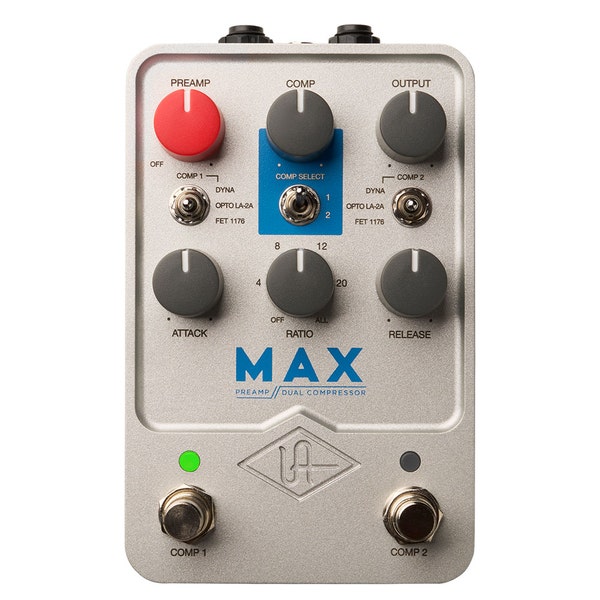
Just saw ricky tinez did a video on it today, seems pretty neat if not a little janky in some ways
1 Like
someone made a good point in the comments of that one, that its just two uad plugins in a pedal box. which is true, but it has the jfet ins, so thats something i guess. and the fmr rnc/rnla are digital, arent they?
i dont like when hardware compressors have limited controls, but at least this has knobs for attack/release, (& ratio) unlike the Boum. more similar to the Platform minus the threshold/“sustain” knob.
i dont know, its a cool idea. im glad more manufacturers are putting out compression and end of chain hardware stuff. the Endorphines Golden Master one is ano-brainer for me. before that we only had the same 2 or 3 options that these types of threads always compare, so this is very nice
I think FMR units are analog.
the fmr’s are digitally controlled analog comps.
2 Likes
Sometimes I wonder if I’m just not used to these newfangled digital converters with their towering stacks of headroom. I’m still ginger with my input like I’m recording onto a Zip drive or something, afraid to crank anything’s volume past 3 o’clock.
I didn’t own a interface or multitrack between about 2004 and 2017 . . . the first time I recorded to 48/24 I was so confused by how tiny all the waveforms were.
Also—sorry for hijacking this thread and all. Hopefully others will find our back-and-forth useful. I think it still gets to the central idea of dawless mastering, since ultimately my goal (and I believe that of many here) is to perform and/or record live & direct and be confident that your sound doesn’t sound wimpy, quiet, sterile, or distorted compared to whatever people will listen to just before and after your stuff, and without having to spend hours messing around with plugins instead of practicing and performing music.
2 Likes
Smack down in the middle of the topic actually :). Gain staging is vital on many levels (  ) in this process.
1 Like
There’s a new contender very similar to SA Atlas, UAD Max: https://www.uaudio.com/guitar-pedals/max-preamp-dual-compressor.html
Golden Master pedal coming next month. Lot of features for the price. If it works and sounds properly it’ll be a great tool.
Anyone planning to try it as soon as it comes out?
Not exactly cheap, but looks like high quality components. So it would be 4500 plus case: around 750 Euro?
Did you try it? Sounds ideal to me, small stereo, good emulations.
No. I might at some point but quite happy with the SA Atlas atm.
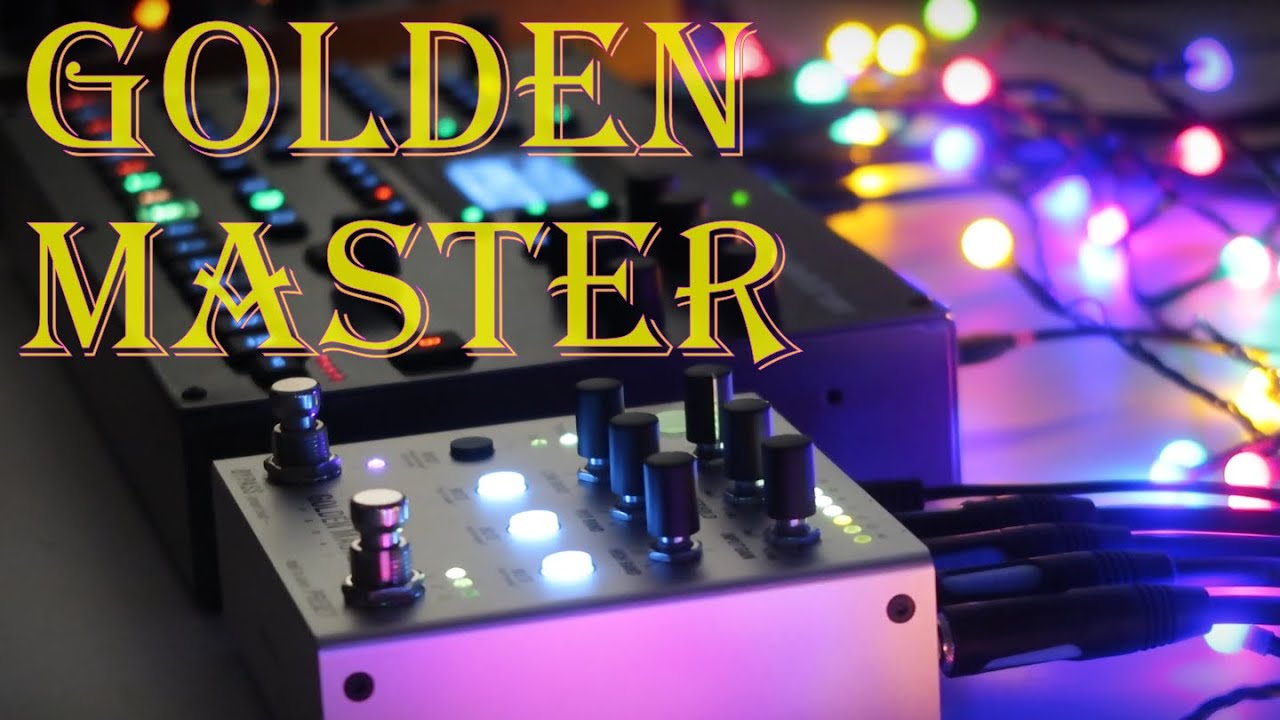
Just got the Golden Master Pedal and it sounds amazing! Gonna sell my OTO Boum now. Here is a track I recorded with the Golden Master on the stereo outs of my octatrack
5 Likes
Sounds good. Would be more informative to have an dry/wet. Comparison though. Also, there’s a thread for the Endorphin pedals.
Super nice sounds. Curious about your experience with it so far and why you sold your Boum - where does the Golden Master shine vs the Boum (and vice versa?) Bonus points if you post a comparison video;)
I’m a Boum as end of chain and love it, though solutions like this do look /sound compelling in their own way.
1 Like
Thanks for the notice, there’s already a quiet good dry/wet comparison from OoraMusic on YouTube. Here’s the link:
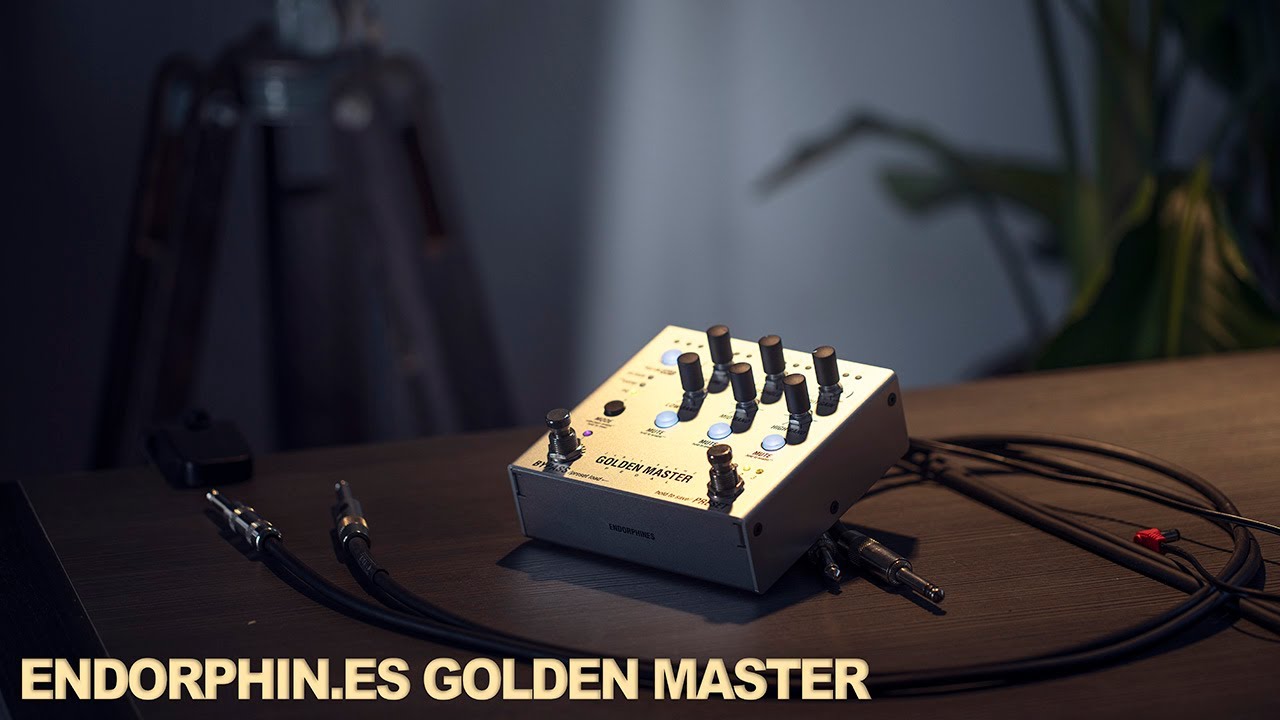
Maybe I’ll find the time to also make a dry/wet video
With the EQ section and mid/side option I can really clear up my mix. Sure I could also do that with tweaking on the Octatrack but here I have easy access at the end of the chain. Also having three band compression is nice compared to Boum