Anyma Omega looks very interesting. I hope it comes to fruition.
If anyone wants physical modelling polysynth in hardware form there is Maschine+ with Prism loaded up. Kind of clunky but it is a solution, the presets sound great and with the onboard Raum reverb is sounds very nice.
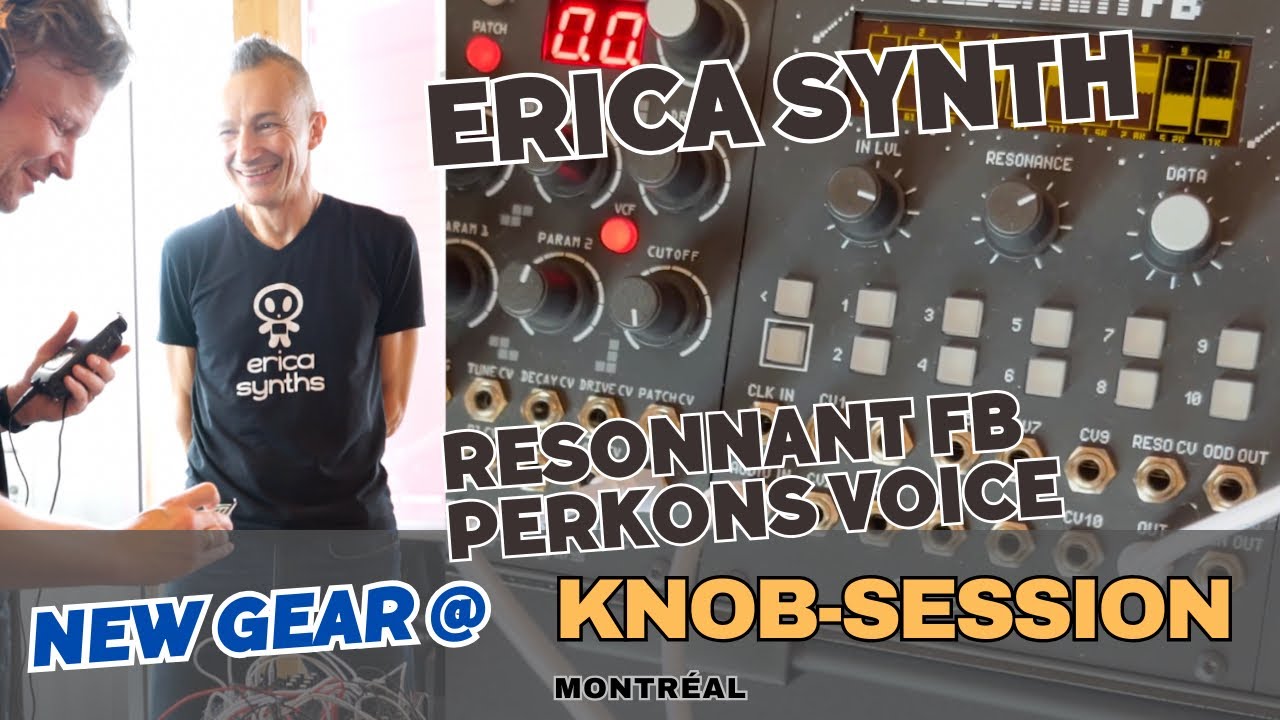
So as the prospects for the Omega fades, Steampipe from Erica Synths is making a resurgence.
Steampipe will be an eight voice physical modelling synth, primarily for strings and winds with its own style and sound.
Here’s a very short ( no sound ) snip from a discussion with Girts of ES done at a recent show in Montreal, with him saying the synth is in its final stages of development and is likely to ship by some time in early November.
ES is also scheduled to show at Roma Modulare today, and Machina Bristronica in two weeks ( thread on those shows ) so we may have some more news on this soon.
I tested the Korg Prophecy plugin (as I understand it’s a sort of simplified one voice Z1) and it surprisingly well stood the time, a very nice tone and sounds, despite it’s a 30 years old technology. To my ears, Ayodo are a different direction
If you got the bank I think I remember Nonlinear C15 being great at modeling. Very interesting instrument. Was meant to be played as opposed to sequenced, but they’ve now implemented MIDI.
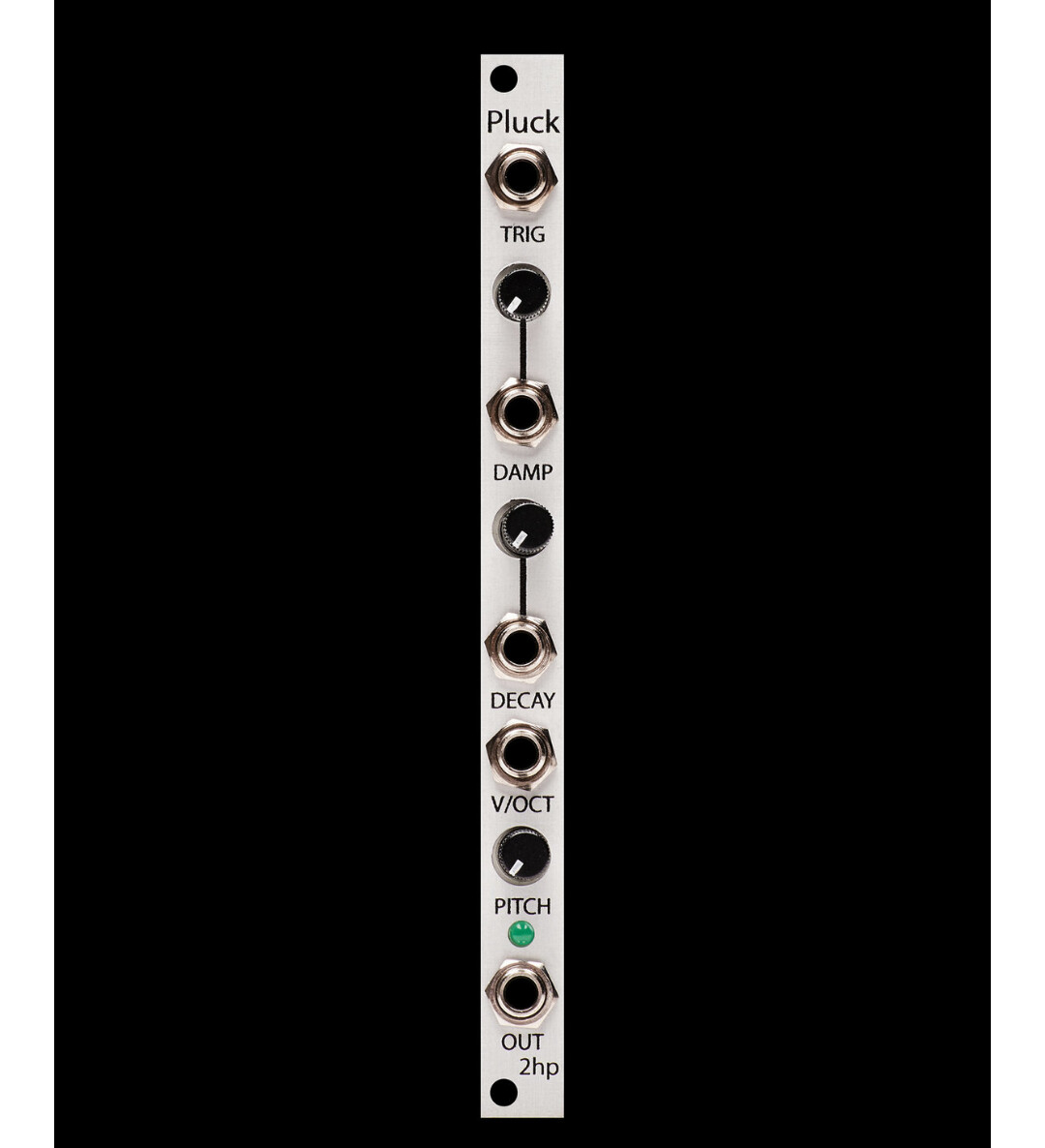
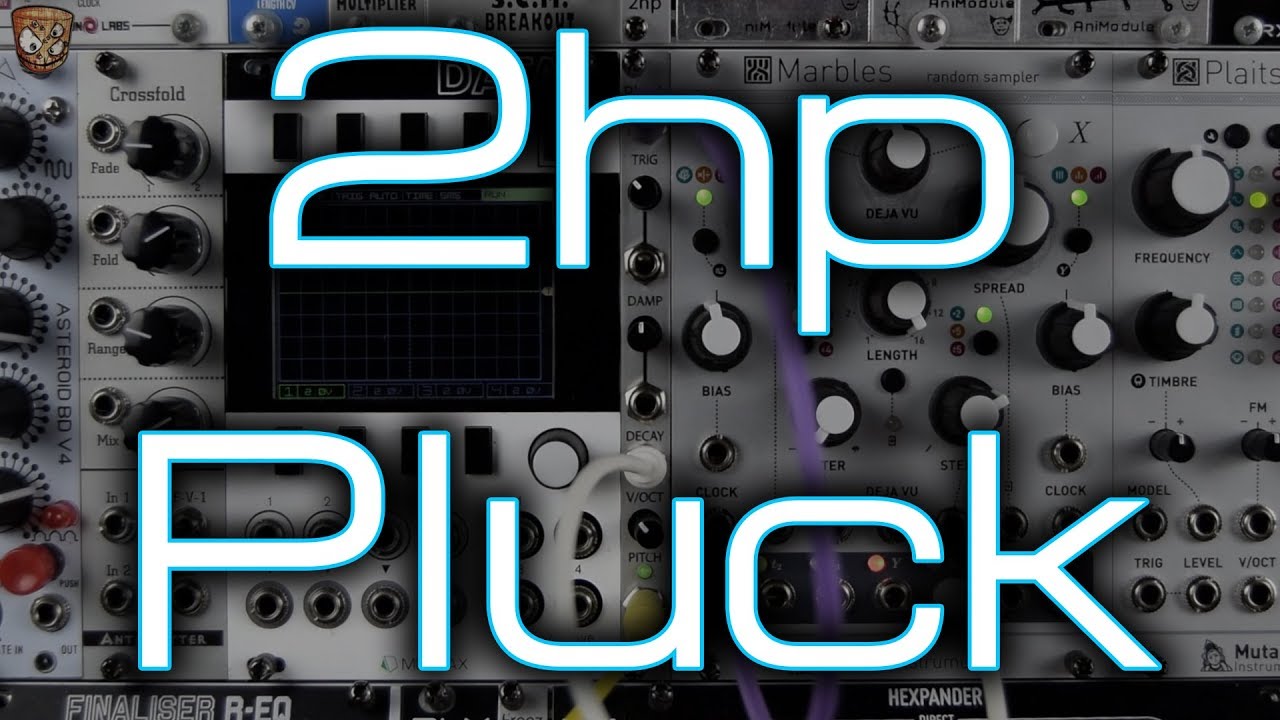
For very inexpensive polyphonic physical modeling there is the 2hp Pluck Eurorack module. Four voice polyphony ( with decay set slower ), tiny, inexpensive ( $149 USD ), good sounding Karplus Strong module, for all the essential string pluck sounds, and more.
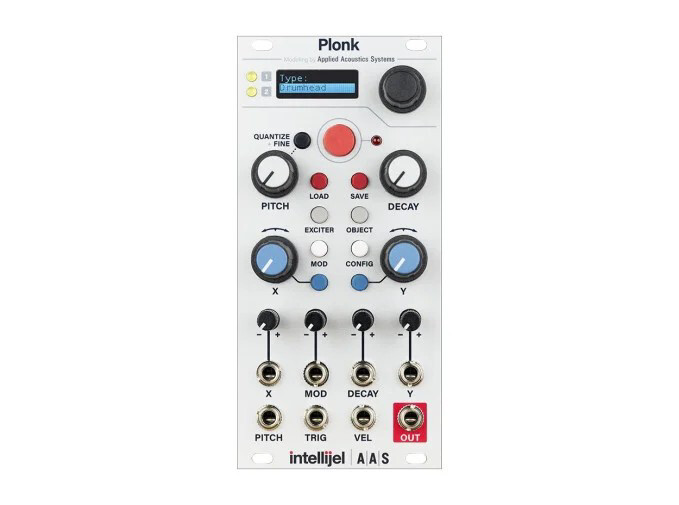
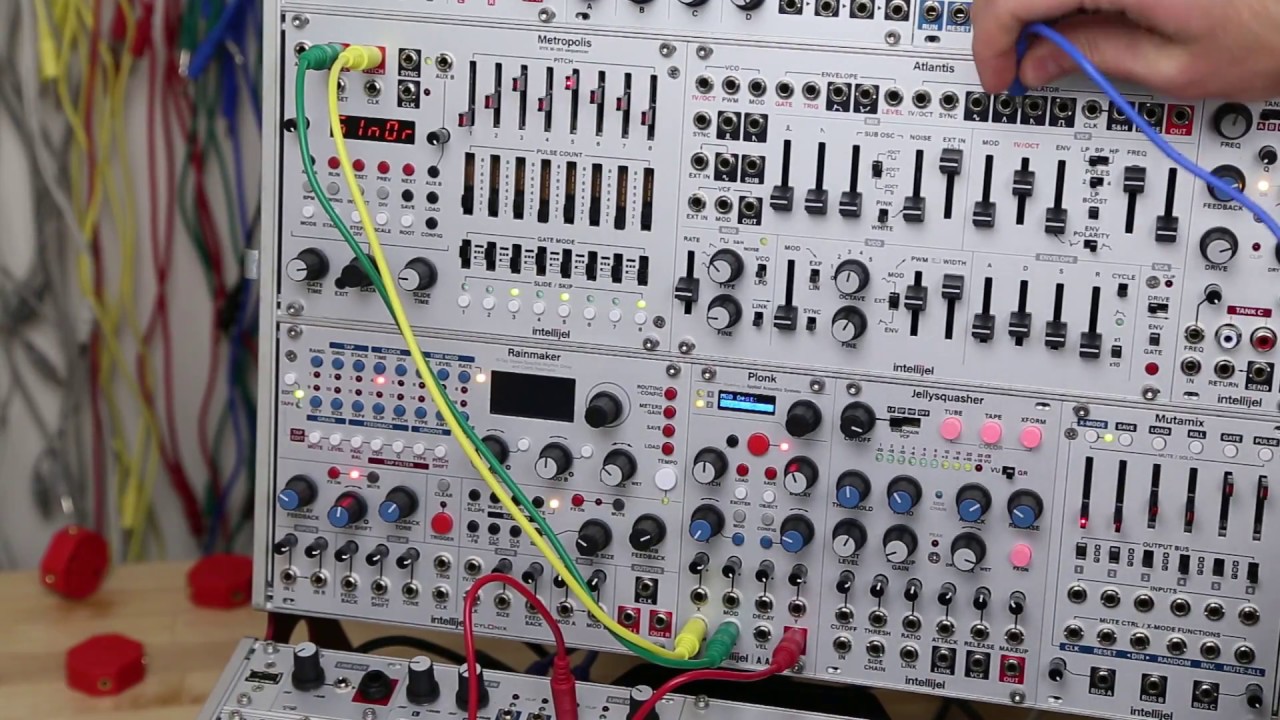
Will include Plonk from Intellijel which uses software from Applied Acoustic Systems who also makes software physical modelers like Chromaphone and Collision.
I will include it here despite limitations with it in polyphony. It at best is duophonic, and there are things you can’t change, between the two notes, although you can use things like 4 part drum kits to compensate. Plus it is CV control, and that control is on the last note triggered. So a bit of an asterisk in the category of polyphony.
Plonk ( not to be confused with the aforementioned Pluck ) is 12 hp, and does provide a decent amount of front panel controls and feedback from a module it’s size. It uses an exciter and resonator model for physical synthesis ( so different from Karplus Strong models ) with those having many assignable CV controllable modulation sources, including pitch of course.
Check out the video if this is new to you and you’ve not heard the sounds it can produce.
The STR-1 Plucked String physical modeling sound engine in the KorgNautilus and ( just revived ) Kronos has a lot of interesting possibilities beyond plucked strings. That sound engine really goes beyond it’s name in capabilities.
See the video i put over in this post for some ideas on other ways to use this physical modeling sound engine.
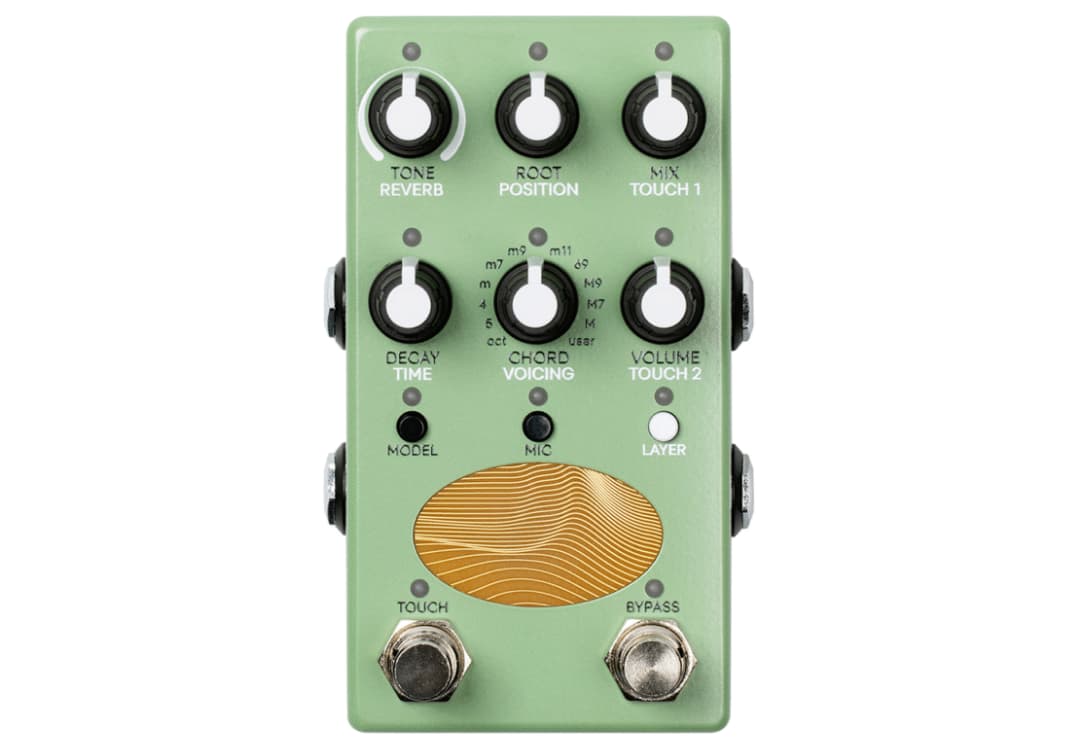
It also does a lot of other things ( reverb, granular processing, microtonal chords, frequency shifting, looping, dot dot dot ) but here are the features relevant to this thread :
Physical Modeling Engine
6-voice polyphony
Excite the resonators with external audio, the built-in contact mic, or MIDI notes
Waldorf Quantum/Iridium have a very flexible physical modelling engine called “Resonator”. It allows to define and to modify the basic frequency spectrum of the resonator. This includes to generate non-harmonic spectra as well.
I use it for all sorts of sounds, which are not covered by VA or FM synthesis.